

Quarterly Drug Pipeline: July 2026
Clinical insights and competitive intelligence on anticipated drugs in development

Editor-in-Chief's message
Welcome to the Prime Quarterly Drug Pipeline! Discover clinical insights and competitive intelligence on promising therapies in development, keeping you informed about the latest advancements and trends across the evolving drug pipeline.
Methodology
The drug pipeline is complex and fluid. Our talented and committed team of clinical and analytics experts are excited to bring you this thoughtfully researched, evidence-based publication. Both specialty and traditional drugs covered under the pharmacy and medical benefits are featured. New molecular entities, pertinent new and expanded indications for existing medications, biosimilars and regenerative medicines — such as gene and cellular therapies — are also profiled.
The Quarterly Drug Pipeline details both agents submitted for FDA review and those in Phase 3 studies with a likelihood to apply to the FDA. Our deep dives consider clinical evidence and available literature to assess each product’s potential to fill an unmet need or become the new standard of care, replacing existing therapies.
A market-agnostic financial forecast — derived primarily from Evaluate projections — is included for select agents to assist payers in determining potential budgetary impacts. Five-year projected annual U.S. sales are also forecasted for select agents.
Reflection
Thus far in 2026, the FDA has approved 29 novel drugs — roughly 45% more than about the same time last year — and the majority leveraged at least one of the agency’s expedited approval pathways.
New therapeutics in oncology, infectious diseases and rare diseases are among some of this year’s novel approvals so far. Notably, there were several first-time approvals including the first nonpeptide oral GLP-1 for obesity and overweight; a new option for uncontrolled hypertension; treatments for rare diseases, such as a T cell-based immunotherapy for hematologic malignancies; and the first and only treatment for hepatitis D virus. On the biologics front, the first-ever gene therapy for an inherited form of hearing loss was approved.
While numbers do not tell the entire story, they do represent significant innovation in patient care and advance public health for the American public.
On the horizon
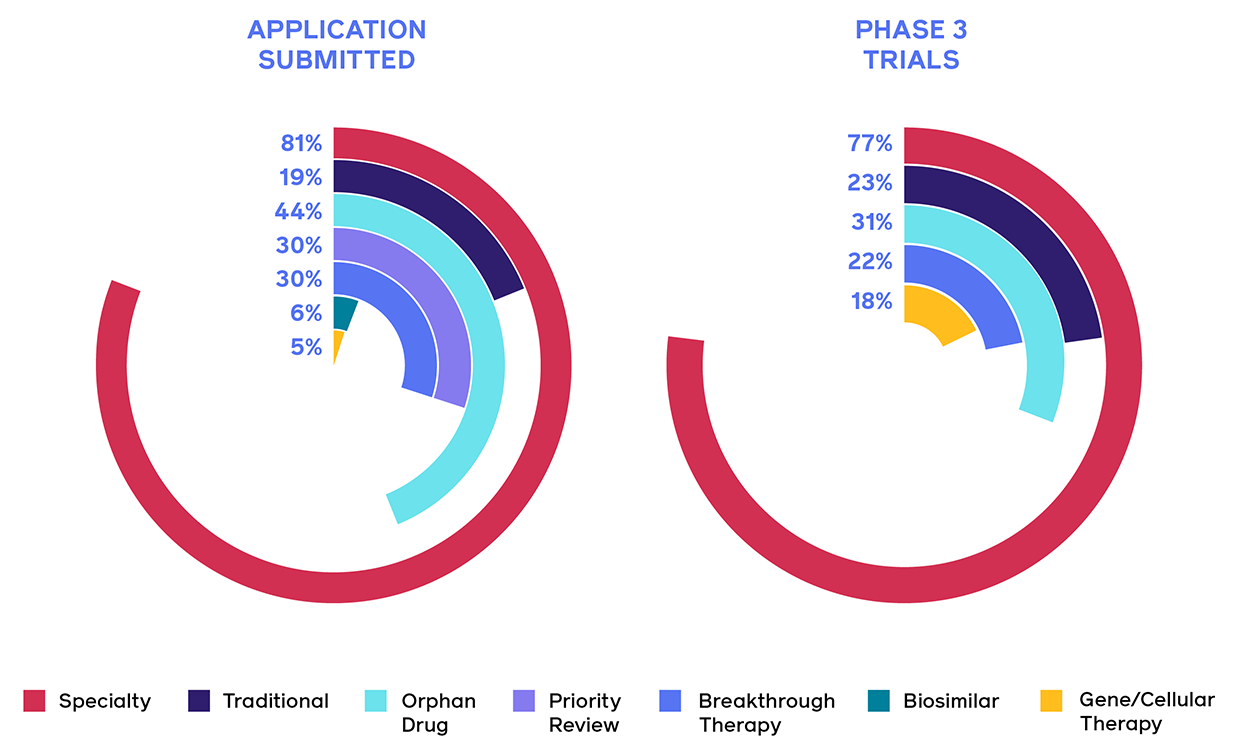
Among agents with applications submitted to the FDA, specialty medications (80%) and Orphan Drugs (46%) continue to account for a large and growing share of regulatory decisions. Nine agents are seeking FDA’s Accelerated Approval.
The third quarter of 2026 may usher in noteworthy approvals, including:
-
Three new gene therapies for advanced melanoma, glycogen storage disease and Sanfilippo syndrome
-
A new, off-the-shelf cell therapy for Duchenne muscular dystrophy-related cardiomyopathy
-
An oral, dual-acting inhibitor for dermatomyositis, a rare autoimmune condition primarily affecting muscle and skin
-
Two new therapies for fibrodysplasia ossificans progressiva, an ultra-rare genetic disease impacting connective tissues
-
An add-on, monoclonal antibody for spinal muscular atrophy, a rare genetic neuromuscular disorder
-
An intrathecal, antisense oligonucleotide for Alexander disease, a rare neurological disease
-
The first mRNA vaccine for seasonal influenza for certain adults
As the pipeline continues to advance across therapeutic areas, we hope this evidence-based report provides meaningful insights into the clinical innovations and regulatory developments shaping the future of patient care. Enjoy!
Maryam Tabatabai
Associate Vice President, Clinical Information
Editorial team
Maryam Tabatabai, PharmD
Editor-in-ChiefAssociate Vice President, Clinical Information
Carole Kerzic, RPh
Executive Editor
Drug Information Pharmacist Principal
Nicole Kjesbo, PharmD, BCPS
Executive Editor
Clinical Program Development Director Senior
Natalee Felten, PharmD, BCPS
Medical Pharmacy Clinical Pharmacist
Andrea Henry, PharmD, MBA, BCPS
Drug Information Pharmacist Principal
Director, Analytics Product and Predictive Analytics
Danny Melson
Data Scientist Principal
Katie Owen, PharmD, BCOP
Clinical Program Pharmacist Principal
Devon Trumbower, PharmD, BCPS
Director, Specialty Clinical Solutions
Near-term pipeline
Specialty drug names appear in red throughout the publication.
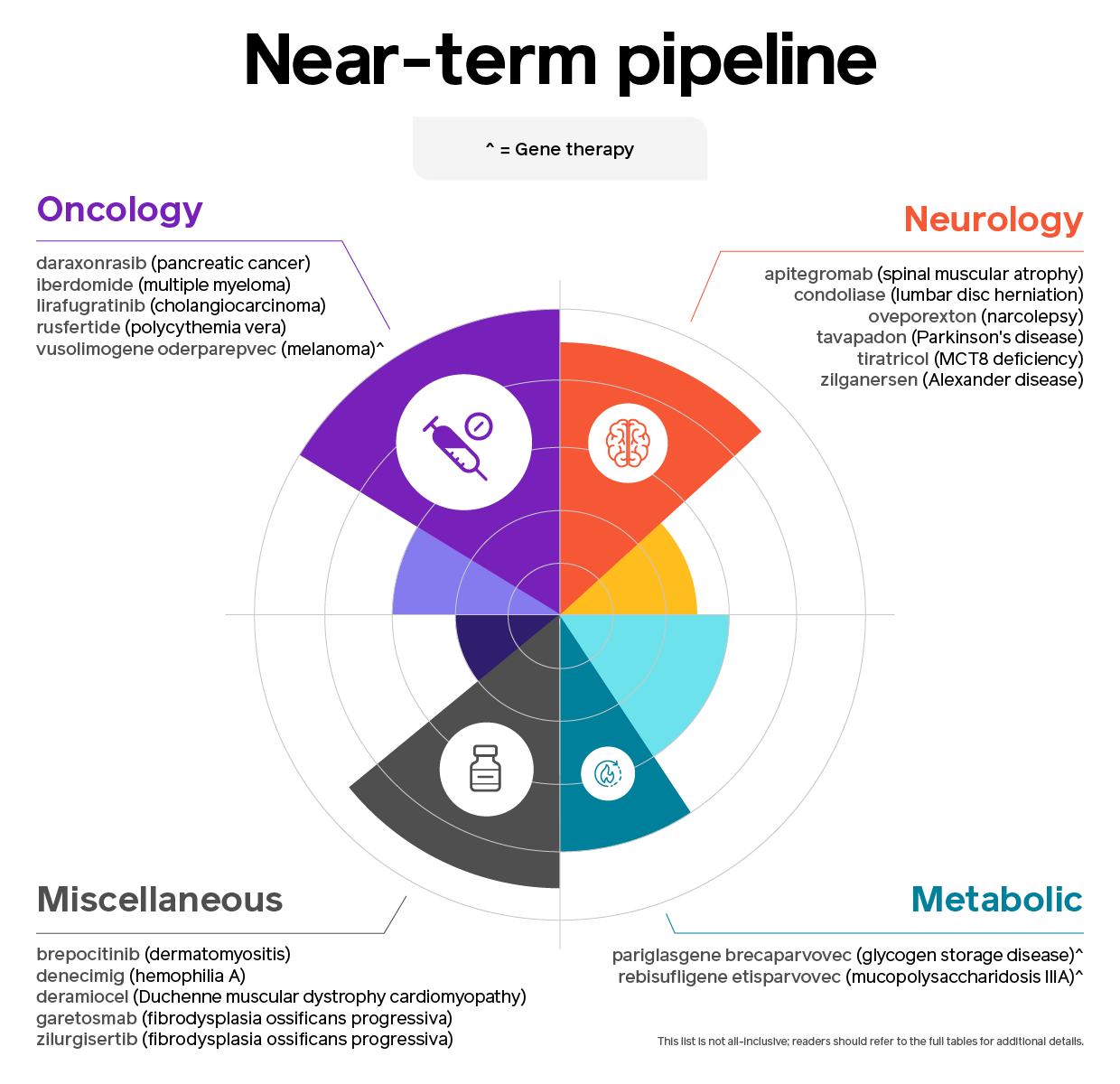
Deep dive
brepocitinib oral
Proposed indications
Dermatomyositis (DM)
Clinical overview
Mechanism of action
Brepocitinib is a dual tyrosine kinase 2 (TYK2) and Janus kinase 1 (JAK1) inhibitor.
Clinical trial(s)
The Phase 3, double-blind, placebo-controlled VALOR trial evaluated brepocitinib in 241 adults with active muscle- and skin-involved DM who had an inadequate response to at least one prior traditional therapy, including systemic glucocorticoids, conventional disease modifying antirheumatic drugs (DMARDs) and intravenous immune globulin (IVIG). Patients were randomized 1:1:1 to receive brepocitinib 30 mg, brepocitinib 15 mg or placebo while continuing background therapy; glucocorticoid doses were tapered in all treatment groups. The primary efficacy endpoint was the mean Total Improvement Score (TIS), a composite measure of disease activity that incorporates muscle-specific and activities of daily living (ADL) assessments; scores range from 0–100, with higher scores indicating greater improvement. At Week 52, brepocitinib 30 mg resulted in a statistically significant least square mean (LSM) improvement in TIS compared with placebo (LSM difference, 15.3 points; P<0.001), with separation seen as early as Week 4. However, the LSM difference between brepocitinib 15 mg and placebo was not statistically significant. Brepocitinib 30 mg also significantly improved key secondary endpoints, including cutaneous disease activity. The mean reduction in the Cutaneous Dermatomyositis Disease Area and Severity Index (CDASI)-Activity score from baseline to Week 52 was 11.7 points with brepocitinib 30 mg versus seven points with placebo (P<0.001). In addition, 62% of patients who received brepocitinib 30 mg reduced their corticosteroid dose to ≤2.5 mg/day (prednisolone equivalent) and 42% discontinued steroid use by Week 52, compared with 34% and 23%, respectively, among those who received placebo. Serious infections were more common with brepocitinib 30 mg than with placebo (10% versus 1%, respectively). No deaths occurred during the study.
In the Phase 3 VALOR clinical trial, brepocitinib was administered orally once daily at a dose of 15 mg or 30 mg for 52 weeks.
Place in therapy
Dermatomyositis is a rare autoimmune disorder that primarily affects the muscles and skin but can also involve the lungs, joints, heart and gastrointestinal (GI) tract. Affected individuals typically experience muscle weakness, pain and atrophy in the trunk, upper arms, hips and thighs. Cutaneous manifestations include a mask-like, reddish-purple rash on the face and scaling and redness of the hands, elbows and knees. Calcium deposits in the muscle, skin and GI tract may also be present. Dermatomyositis can occur at any age. In childhood, onset peaks around 5–10 years of age, whereas in adults it usually presents between 40 and 60 years of age. The incidence is estimated at 9.63 cases per million in the general population and about three cases per million in children. Females are affected about twice as often as males.
Systemic glucocorticoids are the recommended pharmacotherapy for dermatomyositis. Conventional DMARDs (e.g., azathioprine, methotrexate, mycophenolate mofetil) with eventual steroid taper is recommended for mild or moderate muscle involvement in adults. Currently, the IVIG product Octagam 10% is the only FDA-approved product for dermatomyositis in adults. Other IVIG products, as well as rituximab and oral cyclophosphamide, may be considered for off-label use in patients with severe or resistant muscle involvement. Hydroxychloroquine, methotrexate and topical calcineurin inhibitors (e.g., tacrolimus) may improve cutaneous manifestations, whereas diltiazem may provide benefit in patients who develop calcium deposits.
In the VALOR trial, brepocitinib 30 mg (FDA-submitted dose) resulted in a statistically significant improvement in myositis compared with placebo, as well as improvements in cutaneous manifestations of dermatomyositis at 52 weeks. If approved, brepocitinib would be the first TYK2/JAK1 inhibitor to treat dermatomyositis and may provide an oral corticosteroid-sparing option for patients with dermatomyositis following traditional therapies, such as systemic corticosteroids, conventional DMARDs or IVIG.
Brepocitinib is also in Phase 3 trials for noninfectious uveitis with topline results expected in H2 2026. Phase 3 trials have also begun to evaluate brepocitinib for the treatment of lichen planopilaris and cutaneous sarcoidosis.
FDA approval timeline
Q3 2026
FDA designations: Orphan Drug, Priority Review
Financial forecast
| Year | Projected annual U.S. sales (in millions) |
|---|---|
| 2026 | $20 |
| 2027 | $403 |
| 2028 | $1,040 |
| 2029 | $1,388 |
| 2030 | $1,591 |
garetosmab intravenous
Proposed indications
Fibrodysplasia ossificans progressiva (FOP)
Clinical overview
Mechanism of actionGaretosmab is a fully human monoclonal antibody that binds to and neutralizes Activin A, a protein involved in the development of heterotopic ossification (HO) associated with FOP.
Clinical trial(s)
The ongoing, double-blind, placebo-controlled Phase 3 OPTIMA trial (NCT05394116) is evaluating garetosmab in 63 adults with FOP. Patients with a confirmed type I Activin A receptor (ACVR1) mutation were randomized to receive garetosmab 3 mg/kg, garetosmab 10 mg/kg or placebo. Topline results demonstrated that garetosmab 3 mg/kg and 10 mg/kg significantly reduced the formation of new HO lesions (primary endpoint) by 94% and 90%, respectively, compared with placebo (number of new HO lesions, one and two versus 19, respectively; P=0.0274 and P=0.026 versus placebo, respectively) at 56 weeks. A key secondary endpoint reported FOP flare-ups were reduced by 20% with garetosmab 3 mg/kg (P=0.7125) and 89% with garetosmab 10 mg/kg (P=0.0007), compared with placebo (number of flare-ups, 53 and nine versus 70, respectively). In addition, a post-hoc analysis showed the mean total volume of new HO lesions was reduced by 99.9% and 99.8% with garetosmab 3 mg/kg and 10 mg/kg, respectively, compared with placebo (mean total volume, 0.01 cm³ and 0.02 cm³, respectively, versus 10.45 cm³). A dose-dependent increase in skin and soft-tissue infections was observed among patients who received garetosmab (3 mg/kg: n=9; 10 mg/kg: n=15; placebo: n=7). No deaths were reported in the OPTIMA trial; notably, five deaths considered unrelated to the study drug were reported among patients who received garetosmab in the Phase 2 LUMINA trial. Completion of the OPTIMA study is anticipated for early 2029.
Dosage and administration
In the OPTIMA trial, garetosmab doses were administered via intravenous infusion every four weeks.
Place in therapy
FOP is an ultra-rare, progressive genetic disorder of the connective tissues that affects an estimated one in 1–2 million people worldwide. The condition is characterized by abnormal bone formation within soft tissues, such as ligaments, tendons and skeletal muscle ― a process known as HO. This abnormal bone formation restricts joint movement, leading to significant immobility and disability, with most patients requiring a wheelchair by 20–30 years of age. Symptoms typically begin in early childhood and include recurrent HO flare-ups. These episodes are often triggered by soft tissue injury and inflammation or a viral illness but can also occur without an apparent trigger. FOP is caused by activating mutations in the ACVR1/activin-like kinase 2 (ALK2) gene, which encodes the ACVR1/ALK2 protein that is involved in the bone morphogenetic protein-signaling pathway essential for skeletal development. While most cases arise sporadically, a familial pattern may be present.
There is no cure for FOP. Pharmacologic management includes the use of corticosteroids and nonsteroidal anti-inflammatory drugs (NSAIDs) during acute HO flares-ups; however, these treatments do not slow the overall disease progression. The oral retinoid palovarotene (Sohonos) was approved in 2023 to reduce the volume of new HO in children and adults with FOP. It is taken once daily on a continuous basis, with dose increases during FOP symptom flare-ups. In the Phase 3 MOVE trial, chronic treatment with palovarotene, with episodic dose increases for HO flares, resulted in a significant reduction in mean annualized new HO formation compared with untreated patients (9.4 cm³/year versus 20.3 cm³/year).
Garetosmab demonstrated a reduction in the number of HO lesions in adults with FOP in the OPTIMA clinical trial. If approved, it is expected to compete with Sohonos for use in adults with FOP. However, Sohonos may have advantages due to its oral administration and established use in the pediatric population. A Phase 3 (OPTIMA-2) trial evaluating garetosmab in adolescents and children with FOP has been announced and is expected to begin in H2 2026, with primary completion anticipated for late 2028.
Another drug awaiting FDA approval for FOP is the oral ALK2 inhibitor zilurgisertib. Incyte Corporation is seeking approval for use in patients 12 years and older with FOP. The FDA granted it a Priority Review with an FDA decision anticipated in September 2026.
FDA approval timeline
FDA designations: Fast Track, Orphan Drug, Priority Review
Financial forecast
| Year | Projected annual U.S. sales (in millions) |
|---|---|
| 2026 | $0 |
| 2027 | $3 |
| 2028 | $5 |
| 2029 | $7 |
| 2030 | $9 |
ivonescimab intravenous
Proposed indications
For use in combination with chemotherapy for the treatment of locally advanced or metastatic nonsquamous non-small cell lung cancer (nsq-NSCLC) with epidermal growth factor receptor (EGFR)-mutation post-tyrosine kinase inhibitor (TKI) therapy
Clinical overview
Mechanism of actionIvonescimab, a programmed death-1 (PD-1)/vascular endothelial growth factor (VEGF) bispecific antibody, combines the effects of immunotherapy via a blockade of PD-1 with the anti-angiogenesis effects associated with blocking VEGF into a single molecule.
Clinical trial(s)
The international, double-blind, placebo-controlled Phase 3 HARMONi trial (NCT06396065) evaluated ivonescimab in patients (n=438) with EGFR-mutated, locally advanced or metastatic nsq-NSCLC who had progressed after treatment with a third-generation EGFR TKI (e.g., osimertinib [Tagrisso]). Nearly two-thirds of patients in the study were also enrolled in the China-based HARMONi-A trial that required similar NSCLC disease criteria; approximately 37% of patients in the HARMONi trial were from Europe and North America. Patients were randomized 1:1 to ivonescimab or placebo, each in combination with platinum-doublet chemotherapy (carboplatin/pemetrexed). Co-primary endpoints were progression-free survival (PFS) by independent radiology review committee (IRRC) and overall survival (OS). At a median follow-up of 22.3 months, ivonescimab resulted in a statistically significant improvement in the median PFS compared with placebo (median PFS, 6.8 months versus 4.4 months, respectively; hazard ratio [HR], 0.52; P<0.00001). At the final OS analysis (median follow-up of 29.7 months), the study missed statistical significance, reporting a median OS of 16.8 months with ivonescimab and 14 months with placebo (HR, 0.79; P=0.57). Notably, the PFS appeared greater in patients treated in China (HR, 0.55) than those in Europe or North America (HR, 0.67). In addition, among patients in Europe or North America at a median follow-up of 13.7 months, median OS was 17 months with ivonescimab and 14 months with placebo. In China, at a longer median follow-up of 32.7 months, the median OS was 16.7 months with ivonescimab and 14 months with placebo. Key secondary endpoints in the total study population demonstrated objective response rates (ORRs) of 45% with ivonescimab and 34% with placebo; median durations of response (DORs) of 7.6 months and 4.2 months, respectively; and disease control rates (DCRs) of 84% and 73%, respectively. Treatment-emergent adverse events (TEAEs) with ivonescimab plus chemotherapy were primarily related to reversible hypertension and proteinuria.
Notably, the Phase 3, randomized, double-blind HARMONi-A trial (NCT05184712) that was conducted solely in China (n=322) reported that, during a median follow-up of 32.5 months, ivonescimab plus chemotherapy significantly improved PFS (HR, 0.46; P<0.001), OS (median OS, 16.8 versus 14.1 months, respectively; stratified HR, 0.74; P=0.02) and 30-month survival rate (29.1% versus 18.4%) compared with chemotherapy alone among patients with locally advanced or metastatic EGFR-variant nsq-NSCLC who had received prior EGFR-TKI therapy.
Dosage and administration
In the HARMONi trial, ivonescimab 20 mg/kg plus pemetrexed and carboplatin were administered via intravenous infusion every three weeks for up to four cycles. Afterward, ivonescimab plus pemetrexed was continued for maintenance treatment, administered every three weeks for up to two years.
Place in therapy
The American Cancer Society estimates 229,410 people in the United States will be diagnosed with lung cancer in 2026. Approximately 87% of lung cancer cases are classified as NSCLC, of which about 75% have nonsquamous histology. EGFR is a protein found on the surface of cells that regulates cell growth and division. Mutations in the gene that encodes the protein can lead to tumor development and progression. EGFR exon 19 deletions and exon 21 L858R mutations are the most common EGFR mutations in NSCLC, each accounting for about 45% of EGFR-mutated cases. These alterations occur in approximately 10% of White patients and up to 50% of Asian patients with NSCLC.
EGFR-mutated NSCLC derives limited benefit from PD-1/PD-L1 inhibition. Treatment containing EGFR-directed TKIs, such as Tagrisso plus chemotherapy or lazertinib (Lazcluze) plus amivantamab-vmjw (Rybrevant), are preferred for first-line therapies of EGFR-mutated NSCLC; however, acquired drug resistance limits their long-term efficacy. Moreover, use of PD-1/PD-L1 inhibitors prior to or concurrent with Tagrisso has been associated with an increased risk of pulmonary toxicity. Subsequent lines of therapy include Tagrisso monotherapy, Lazcluze plus Rybrevant, and datopotamab deruxtecan-dlnk (Datroway).
Ivonescimab is a first-in-class bispecific antibody that targets both PD-1 and VEGF with a single molecule and may enhance PD-1 binding in the presence of VEGF. In the HARMONi trial, ivonescimab, in combination with platinum-doublet chemotherapy, demonstrated a statistically significant improvement in PFS but not OS compared with chemotherapy alone; however, the HARMONi-A trial did report a significant improvement in the median OS among patients in China. Some data suggest that ivonescimab could provide greater pharmacodynamic benefit among Asian populations than Western patients, which could pose a challenge for FDA approval. If approved, ivonescimab would compete with existing options for subsequent therapy for patients with locally advanced or metastatic NSCLC with EGFR mutations that has progressed after TKI therapy.
Ivonescimab is also being evaluated in Phase 3 trials for first-line NSCLC and may support future label expansion. In the China-based HARMONi-2 trial (NCT05499390), ivonescimab monotherapy significantly improved the median PFS compared with pembrolizumab (Keytruda) monotherapy in patients with PD-L1-positive NSCLC (median PFS, 11.1 months versus 5.8 months, respectively). Similarly, in the China-based HARMONi-6 trial (NCT05840016) ivonescimab plus chemotherapy significantly extended the median PFS compared with tislelizumab-jsgr (Tevimbra) plus chemotherapy (11.1 months versus 6.9 months, respectively). These findings suggest ivonescimab could emerge as a competitor to Keytruda, in the first-line monotherapy setting, and to Tevimbra, when combined with chemotherapy. However, its ultimate impact in the first-line treatment for NSCLC will depend on mature OS data and confirmation from global studies, including HARMONi-7 (monotherapy) and HARMONi-3 (in combination with chemotherapy); primary study completion for both is expected in early 2028. It’s also important to note that Keytruda holds patent protections through 2028–2029, when pembrolizumab biosimilars could enter the market and further alter the competitive landscape.
FDA approval timeline
Nov. 14, 2026
FDA designations: Fast Track
Financial forecast
| Year | Projected annual U.S. sales (in millions) |
|---|---|
| 2026 | $11 |
| 2027 | $80 |
| 2028 | $1,023 |
| 2029 | $2,240 |
| 2030 | $3,153 |
relutrigine oral
Proposed indications
SCN2A and SCN8A developmental and epileptic encephalopathy (DEE)
Clinical overview
Mechanism of action
Relutrigine is a next-generation sodium-channel modulator designed to selectively target the hyperexcitability state of the sodium channels that cause seizures in DEEs.
Clinical trial(s)
The double-blind, placebo-controlled, Phase 2/3 EMBOLD trial (NCT05818553) evaluated relutrigine in patients 1–18 years of age with SCN2A-DEE (with seizure onset ≤3 months of age) or SCN8A-DEE. The 16-week, randomized, double-blind phase (Part A) of the trial was followed by a 144-week open-label extension (Part B). The primary endpoints were change from baseline in motor seizure frequency at 16 weeks and incidence and severity of treatment-emergent adverse events (TEAEs) at 48 weeks. The EMBOLD trial is anticipated to complete in Q1 2027.
-
In Cohort 1 (n=16), seven patients increased their dose from 0.5 mg/kg to 1 mg/kg during the double-blind phase, and no dosage reductions were required. In the Cohort 1 population, relutrigine demonstrated a 46% placebo-adjusted reduction in motor seizures during the double-blind phase (Part A) of the study, with significant reductions observed per 28-day period (27% versus 1.6% placebo). At 16 weeks, 33% of patients in Cohort 1 who received relutrigine were seizure-free. During the open-label extension (Part B), sustained seizure reduction for up to 11 months and a seizure-free period of 67 days were reported. Relutrigine was generally well tolerated and adverse events were not considered to be related to the study drug. The most common adverse events (>2 patients) were infection, vomiting, pyrexia, somnolence and constipation; they were not considered to be related to the study drug.
-
Cohort 2 (n=51) of the study served as the confirmatory registration population. Patients in Cohort 2 received relutrigine 1 mg/kg/day. During the double-blind period (Part A), relutrigine produced a placebo-adjusted seizure reduction at 16 weeks of 53% (P<0.0002) and the effect was consistent among patients with SCN2A-DEE and SCN8A-DEE. Patients in Cohort 2 also achieved a 66% increase in motor seizure-free days (P=0.034). Data from the open-label extension (Part B) are not publicly available. Relutrigine was generally well tolerated and adverse events were not considered to be related to the study drug.
In the EMBOLD clinical trial, Cohorts 1 and 2 were randomized (1:1) to relutrigine once daily for 16 weeks, or relutrigine once daily for 12 weeks plus matching placebo once daily for four weeks. In Cohort 1, the starting dose was 0.5 mg/kg/day with an optional increase to 1 mg/kg/day. In Cohort 2, the starting and maintenance doses were 1 mg/kg/day. Relutrigine was administered orally or via a gastrostomy/jejunostomy tube.
Place in therapy
DEEs are rare, severe forms of epilepsy that usually begin in early childhood. In the United States, an estimated 5,000 individuals have SCN2A- or SCN8A-DEEs. Patients experience frequent seizures that significantly impair brain function and development. Clinical manifestations include intellectual disability; autism spectrum disorder (with SCN8A variant); movement disorders; abnormal sleep; respiratory, gastrointestinal (GI) and orthopedic complications; and an increased risk of death. Developmental impairment in DEEs results from both the underlying etiology of epilepsy and the cumulative effects of seizures. Improved seizure control may help mitigate epileptic encephalopathy.
More than 400 gene mutations have been implicated in DEEs, including SCN2A and SCN8A, which encode the central nervous system voltage-gated sodium channels (NaV), NaV1.2 and NaV1.6, respectively. Pathogenic variants in these genes increase NaV activity, leading to the neuronal hyperexcitability seen with severe DEEs. The DEE category includes several seizure disorders. Conditions associated with potential SCN2A or SCN8A involvement include early myoclonic encephalopathy (also known as Ohtahara syndrome), epilepsy in infancy with migrating focal seizures, and myoclonic atonic epilepsy (Doose syndrome).
Management of DEEs often requires a multidisciplinary approach. Antiseizure medicines are the mainstay of pharmacologic treatment; however, treatment resistance is common. Supportive care, including physical, occupational and speech therapy, may improve developmental outcomes. If approved, relutrigine would be the first targeted therapy for DEEs with SCN2A and SCN8A variants. In the EMBOLD clinical trial, 16 weeks of daily oral dosing of relutrigine 1 mg/kg produced a placebo-adjusted seizure reduction by 53%.
Praxis is also studying the oral antisense oligonucleotide elsunersen for early-seizure-onset SCN2A-DEE. The Phase 3 registrational EMBRAVE3 trial was initiated in Q3 2025 with topline results expected in 2027.
FDA approval timeline
Dec, 27, 2026
FDA designations: Breakthrough Therapy, Orphan Drug, Priority Review, Rare Pediatric Disease
Financial forecast
| Year | Projected annual U.S. sales (in millions) |
|---|---|
| 2026 | $5 |
| 2027 | $56 |
| 2028 | $227 |
| 2029 | $435 |
| 2030 | $685 |
ribitol (BBP-418) oral
Proposed indications
Limb-girdle muscular dystrophy type 2I/R9 (LGMD2I/R9)
Clinical overview
Mechanism of actionRibitol is an oral glycosylation substrate therapy designed to saturate the partially functional fukutin-related protein (FKRP) enzyme to enhance residual FKRP function and restore glycosylation of alpha-dystroglycan (αDG) to stabilize or improve muscle function.
Clinical trial(s)
The double-blind, placebo-controlled, Phase 3 FORTIFY trial (NCT05775848) is evaluating ribitol in patients 12–60 years of age with genetically confirmed LGMD2I/R9. Interim analysis reported that ribitol resulted in a significant increase by 1.8-fold compared to placebo in the primary endpoint of glycosylated αDG from baseline to Month 3 (P<0.0001), and the response was sustained through Month 12. Secondary endpoints revealed ribitol led to a statistically significant improvement compared to placebo in the 100-meter timed test (100MTT) velocity (difference, 0.27 meters/second; P<0.0001) and pulmonary function (forced vital capacity [FVC] difference, 5% predicted volume; P=0.0071) at Month 12. In addition, 59.6% of patients who received ribitol achieved a reduction in serum creatine kinase (CK) to within twice the upper limit of normal and 38.3% achieved normalization of CK levels by Month 12. Ribitol was generally well tolerated. The most common treatment-emergent adverse events (TEAEs) reported with ribitol (≥10%), and more often compared to placebo, include nausea, arthralgia and influenza. The estimated primary completion date for the FORTIFY trial is July 2027.
Dosage and administration
In the FORTIFY trial, ribitol oral granules were supplied in unit-dose sachets for reconstitution with water for oral administration. Twice-daily doses of 9 g and 12 g were taken, depending on the patient’s body weight.
Place in therapy
LGMDs are rare genetic disorders characterized by progressive atrophy and weakness of the muscles of the hips and shoulders (limb-girdle areas). The Centers for Disease Control and Prevention (CDC) estimates that two in 100,000 people are affected by LGMD. Autosomal recessive LGMD, known as LGMD2, has 17 subtypes. LGMD2I/R9 is an autosomal recessive type caused by two abnormal copies of the FKRP gene that impairs glycosylation of αDG, a protein associated with stabilizing muscle cells. Onset and the rate of progression in muscle weakness varies among individuals with LGMD2I/R9. Early childhood onset typically has a severe clinical course, while late- or adult-onset LGMD2I is a slower progressing, milder form of the disorder. Individuals affected by LGMD2I/R9 will lose the ability to walk or stand without assistance. While LGMD2I/R9 primarily affects muscles in the limb-girdle area, other muscles of the body, including the heart and respiratory muscles, may also be impacted. In addition, skeletal deformities such as scoliosis and kyphosis may occur, further limiting mobility and respiratory function.
There is no cure for LGMD. Management includes supportive approaches, with goals to maintain mobility and functional independence, manage disease-related complications and maximize quality of life (QOL). If approved, ribitol will be the first disease-modifying therapy for patients with LGMD2I/R9. Interim data from the FORTIFY trial demonstrated a significant reduction from baseline in the biomarker αDG, as well as improvements in ambulatory function (100MTT), FVC and serum CK levels.
FDA approval timeline
Nov. 27, 2026
FDA designations: Fast Track, Orphan Drug, Priority Review, Rare Pediatric Disease
Financial forecast
| Year | Projected annual U.S. sales (in millions) |
|---|---|
| 2026 | $1 |
| 2027 | $27 |
| 2028 | $92 |
| 2029 | $156 |
| 2030 | $224 |
rusfertide subcutaneous
Manufacturer: Takeda, Protagonist Therapeutics
Proposed indications
Polycythemia vera (PV)
Clinical overview
Mechanism of action
Rusfertide is a hepcidin mimetic peptide therapeutic. It mimics the action of hepcidin, a natural hormone that regulates iron homeostasis and red blood cell (RBC) production. Rusfertide may reduce excess RBC production and sustain hematocrit (Hct) control.
Clinical trial(s)
The ongoing, placebo-controlled, Phase 3 VERIFY study (NCT05210790) is evaluating rusfertide in 293 patients with PV. During the double-blind, Part 1a portion, patients with uncontrolled Hct levels who remained dependent on phlebotomy despite receiving standard of care (SOC) therapy were randomized to receive rusfertide or placebo in addition to their existing treatment regimen, which could include phlebotomy, hydroxyurea, interferon and/or ruxolitinib (Jakafi). The primary endpoint was the proportion of patients achieving a response, which was defined as not meeting criteria for phlebotomy eligibility during Weeks 20–32. Phlebotomy eligibility was determined by a Hct level ≥45% that was ≥3% higher than the baseline Hct value, or Hct ≥48%. Topline results showed that 76.9% of patients in the rusfertide group achieved a clinical response (phlebotomy ineligibility) compared to 32.9% in the placebo group (P<0.0001). In the open-label, Part 1b portion of the study, all patients who completed Part 1a received rusfertide for 124 weeks. Among those who responded in Part 1a, 84.1% maintained their response at Week 52. In addition, 77.9% of patients who switched from placebo to rusfertide in Part 1b achieved a clinical response during Weeks 40–52. Across Parts 1a and 1b, the mean Hct level remained below 43% through Week 52 in patients who received rusfertide. The median time to first Hct ≥45% was 8.3 weeks in the placebo group during Part 1a and was not reached in the rusfertide group. Rusfertide was generally well tolerated. The most common treatment-emergent adverse events (TEAEs) reported with rusfertide were mild-to-moderate injection-site reactions, anemia and fatigue. Data from Part 2, a long-term extension phase (Week 52–156) in which all patients who complete Part 1b continue to receive rusfertide, have not been reported.
The ongoing, Phase 3, open-label extension THRIVE study (NCT05210790) is evaluating the long-term durability of response and safety of rusfertide in patients with PV. The study enrolled 46 patients who had participated in the Phase 2 REVIVE trial (NCT04057040). Topline results from the THRIVE study demonstrate long-term Hct control, with more than a 13-fold reduction in estimated annual phlebotomy rate compared with the REVIVE baseline (0.7 versus 9.2 phlebotomies/year), with continued rusfertide treatment for up to four years, with or without cytoreduction therapy.
Dosage and administration
In the VERIFY trial, rusfertide was self-administered as a once-weekly subcutaneous injection at a starting dose of 20 mg. Dosage adjustment was allowed as needed.
Place in therapy
PV is a Philadelphia chromosome-negative myeloproliferative neoplasm characterized by increased RBC mass. In the United States, the estimated annual incidence is 0.5–4 cases per 100,000 people, with an overall estimated prevalence of 65,000 cases. The median age at diagnosis is around 65 years, and men are slightly more likely than women to develop the disease. Most people (95%) with PV have an acquired activating Janus kinase 2 (JAK2) gene variant. Individuals with PV are at increased risk of complications, such as arterial and venous thrombosis, bleeding and splenomegaly. Common symptoms include headache, dizziness, transient visual disturbances and pruritus. Over time, approximately 12.7% of patients may progress to myelofibrosis, and about 6.7% may develop acute myeloid leukemia (AML).
Therapeutic phlebotomy is recommended to maintain Hct <45%, and low-dose aspirin is recommended to reduce cardiovascular (CV) risks (unless contraindicated) in patients with PV. Cytoreductive therapy, such as hydroxyurea, ropeginterferon alfa-2b (Besremi), pegylated interferon alfa-2a (Pegasys) and Jakafi are recommended for patients at high risk for thrombosis (>60 years of age or history of thrombosis) and may be considered in low-risk (≤60 years of age and no history of thrombosis) symptomatic patients.
If approved, rusfertide would provide a self-administered treatment option with a new mechanism of action for patients with PV. In the VERIFY study, the addition of rusfertide to SOC improved clinical response rates, including reducing the need for therapeutic phlebotomy and improving Hct control compared with SOC alone.
FDA approval timeline
FDA designations: Breakthrough Therapy, Fast Track, Orphan Drug, Priority Review
Financial forecast
| Year | Projected annual U.S. sales (in millions) |
|---|---|
| 2026 | $47 |
| 2027 | $190 |
| 2028 | $307 |
| 2029 | $413 |
| 2030 | $511 |
tiratricol (Emcitate) oral
Proposed indications
Monocarboxylate transporter 8 (MCT8) deficiency, also known as Allan-Herndon-Dudley syndrome
Clinical overview
Mechanism of actionTiratricol is a thyroid hormone analog, similar to endogenous triiodothyronine (T3) produced by the thyroid.
Clinical trial(s)
The open-label, single-arm, Phase 2 TRIAC I trial (NCT02060474), conducted outside the United States, evaluated tiratricol in 46 male patients, of any age, with MCT8 deficiency. At baseline, the median age was 7.1 years (range, 0.8–66.8 years) and the mean serum T3 concentration was 4.91 nmol/L (>1.6-times the upper limit of normal [ULN] range for age). Tiratricol was administered at a mean dose of 23–48 µg/kg per day. Published data revealed significant mean decreases from baseline to Month 12 in serum concentrations for all primary endpoint measures, including mean decreases by: 3.15 nmol/L for T3, 1.89 mU/L for TSH, 6.1 pmol/L for free thyroxine (T4), 31.6 nmol/L for total T4 and 0.08 nmol/L for reverse T3 (all P<0.0001). Notably, 78% of patients achieved serum T3 concentrations within the normal range by Month 4. In addition, statistically significant improvements in secondary endpoints regarding body weight, resting heart rate and systolic blood pressure (SBP) were also reported. Transient increases in perspiration or irritability were reported in six patients and were considered related to tiratricol.
The ongoing, open-label, single-arm, Phase 2 TRIAC TRIAL II study (NCT02396459) is evaluating tiratricol in 22 boys (≤30 months of age) with MCT8 deficiency. Patients are evaluated after 96 weeks and at three, four and five years of treatment with an individually titrated tiratricol dose. Topline results reported did not demonstrate a statistically significant improvement from baseline for the co-primary endpoints of neurocognitive development ― the Gross Motor Function Measure 88 (GMFM 88) total score and the Bayley Scales of Infant Development III (BSID-III) Gross Motor Skill Domain ― compared to historical controls. Tiratricol was well tolerated. The study is estimated to be completed during the second half of 2027.
The double-blind, placebo-controlled, Phase 3 ReTRIACt withdrawal trial (NCT05579327) evaluated tiratricol in 20 males with MCT8 deficiency who demonstrated stable maintenance treatment with the drug. Enrolled patients were 4 years of age or older and had a serum T3 concentration above the age-specific ULN. Patients were randomized to continue tiratricol or receive placebo (withdrawal) for 30 days or until reaching the rescue criterion (serum total T3 > ULN of the participant’s normal range). Results demonstrated a statistically significant difference in the rate of change in serum T3 concentration, the primary endpoint, in patients randomized to placebo compared to those who continued tiratricol treatment (ratio of T3 rate of change [placebo/tiratricol], 1.494; P=0.034). All patients in the placebo group experienced an increase in serum T3 during the randomized treatment period and then had a decrease in the level after restarting tiratricol. In addition, four patients in the placebo group met the rescue criterion during the randomized treatment period compared with zero patients in the group that continued tiratricol (P=0.07). The ReTRIACt study did not assess motor function.
Dosage and administration
In the Phase 3 ReTRIACt trial, tiratricol was administered orally or via a percutaneous endoscopic gastrostomy (PEG) tube at a dose of 350 µg daily.
Place in therapy
MCT8 deficiency is a rare, X-linked disorder characterized by severe neurologic and developmental delays and abnormal thyroid hormone levels. It is estimated to affect one in 70,000 newborns. MCT8 deficiency is caused by mutations in the SLC16A2 gene, which encodes the transport protein MCT8. Deficiencies in this protein result in reduced uptake of the thyroid hormones in the brain, disrupting brain development. As seen with MCT8 deficiency, low levels of T3 in the brain lead to intellectual and motor disabilities, seizures, hypotonia and spastic paraplegia, while elevated circulating T3 levels in the body result in increased metabolism, low body weight, poor muscle development, muscle atrophy, cardiac arrhythmia and arterial hypertension.
Current pharmacotherapy for MCT8 deficiency is directed toward symptomatic and supportive care. If approved, tiratricol will be the only medicine in the United States to treat patients with MCT8 deficiency. In clinical trials, tiratricol resulted in suppression of serum T3 levels as well as improvements in cardiovascular and metabolic endpoints.
FDA approval timeline
Sept. 28, 2026
FDA designations: Breakthrough Therapy, Fast Track, Orphan Drug, Priority Review, Rare Pediatric Disease
Financial forecast
The financial forecast for tiratricol is not currently available.
zilganersen intrathecal
Manufacturer: Ionis Pharmaceuticals
Proposed indications
Alexander disease (AxD)
Clinical overview
Mechanism of action
Zilganersen is an antisense oligonucleotide agent designed to inhibit the production of excess glial fibrillary acidic protein (GFAP) that accumulates due to disease-causing variants in the GFAP gene.
Clinical trials
An ongoing, Phase 1–3, multicenter, double-blind, placebo-controlled trial (NCT04849741) enrolled patients 2–65 years of age with AxD. The trial enrolled 54 patients with a median age of 11 years (range, 2–53 years). Participants were randomized 2:1 to zilganersen or matching placebo for a 60-week, double-blind treatment period; after which, all patients received zilganersen for a 60-week, open-label treatment period; a 120-week open-label, long-term extension period; and, finally, a 28-week, post-treatment, follow-up period. Interim analysis demonstrated statistically significant and clinically meaningful stabilization in the primary endpoint of gait speed with zilganersen 50 mg compared with placebo at Week 61 (least square mean [LSM] difference, 33.3%, P=0.0412), as assessed by the 10-Meter Walk Test during the double-blind treatment period. In addition, the plasma GFAP level was reduced by 33.6% with zilganersen 50 mg compared with placebo (P=0.003). Beneficial trends were also seen in other key secondary endpoints, including the Most Bothersome Symptom score, Patient Global Impression of Severity score, Patient Global Impression of Change score and Clinician Global Impression of Change score. Most treatment-emergent adverse events (TEAEs) were mild-to-moderate in severity. The incidence of serious TEAEs was 37.5% with zilganersen and 47.1% with placebo. The study is expected to be completed in 2029.
Dosage and administration
In the clinical trial, zilganersen is administered via an intrathecal bolus injection once every 12 weeks for 60 weeks.
Place in therapy
AxD is a rare, neurological disease that affects the white matter of the brain. It is characterized by progressive motor and cognitive dysfunction. AxD occurs in approximately one per 1–3 million people worldwide. It is caused by a mutation in the GFAP gene leading to abnormal deposits of Rosenthal fibers in the astrocytes of the brain, thereby disrupting astrocyte structure and function. There are two types of AxD. Type I AxD usually appears before 4 years of age. Signs and symptoms include macrocephaly, seizures, muscle spasticity, failure to thrive, and delayed physical and intellectual development. Median survival is about 14 years from onset. Signs and symptoms of type II AxD appear after 4 years of age and include difficulty with swallowing and speech, poor coordination and scoliosis. Median survival is about 25 years.
There is no cure for AxD. Current symptom-driven, supportive treatment includes physical therapy, speech and swallowing therapy, and nutritional support. Medicines to manage seizures and muscle spasms may also be used. Interim results from the Phase 1–3 clinical trial indicate that zilganersen 50 mg stabilizes gait speed in patients with AxD.
FDA approval timeline
FDA designations: Breakthrough Therapy, Priority Review, Orphan Drug, Priority Review, Rare Pediatric Disease
Financial forecast
| Year | Projected annual U.S. sales (in millions) |
|---|---|
| 2026 | $2 |
| 2027 | $20 |
| 2028 | $41 |
| 2029 | $60 |
| 2030 | $71 |
Keep on your radar
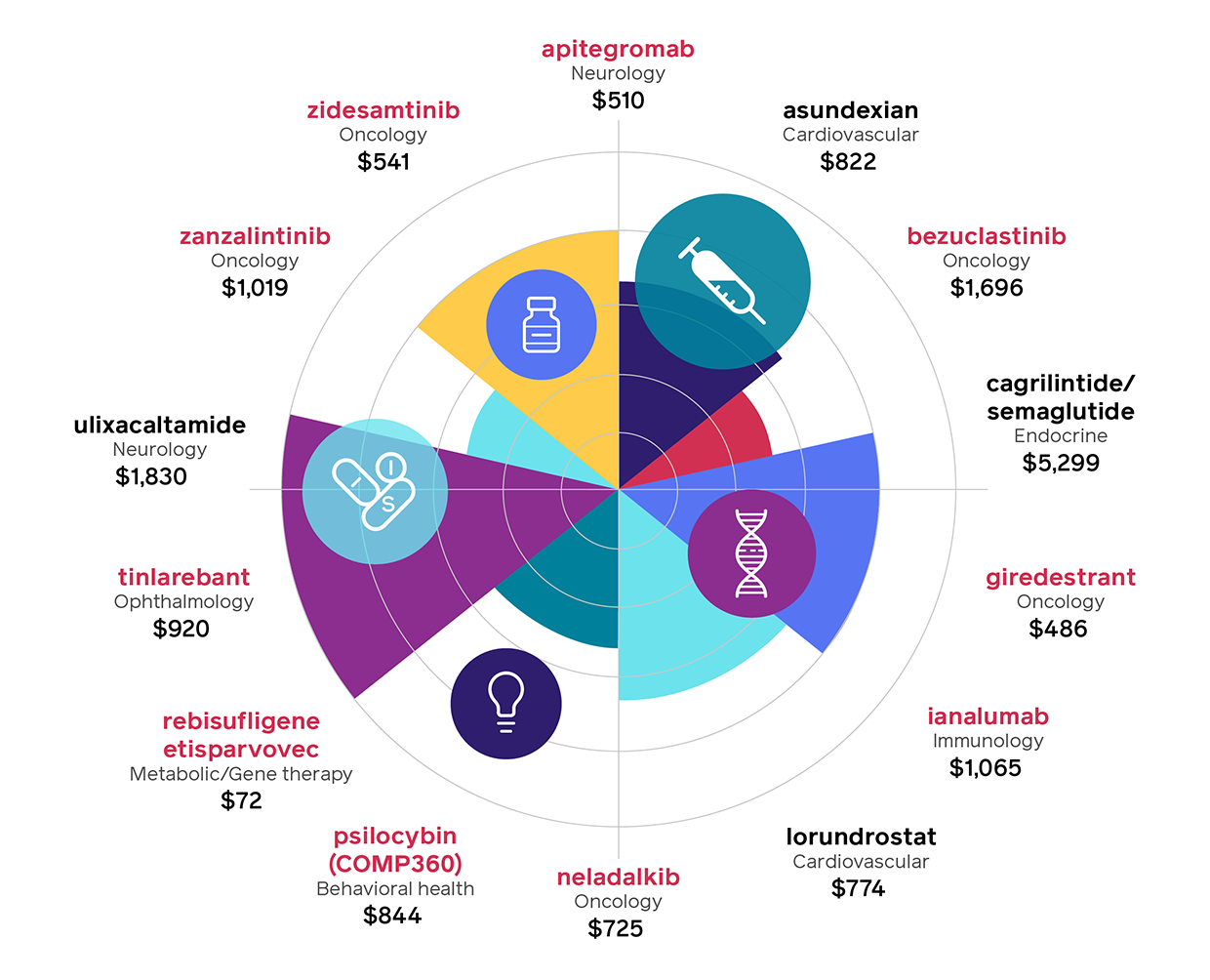
Configure the table properties
Drug list
Gene and cellular therapies
Configure the table properties
Configure the table properties
Biosimilars
Configure the table properties
None
Specialty
Configure the table properties
Use the horizontal scroll bar at the bottom of the table to view additional columns.
Configure the table properties
Configure the table properties
Configure the table properties
Traditional
Configure the table properties
Configure the table properties
Configure the table properties
Configure the table properties
Configure the table properties
5-FU 5-fluorouracil
6MWD 6-minute walking distance
6MWT 6-minute walking test
AA Accelerated Approval
ABSSSI acute bacterial skin and skin-structure infection
ACC American College of Cardiology
ACEI angiotensin-converting enzyme inhibitor
AChR acetylcholine receptor
ACR20 American College of Rheumatology 20% improvement
ACR50 American College of Rheumatology 50% improvement
ACR70 American College of Rheumatology 70% improvement
ADC antibody-drug conjugate
ADHD attention-deficit/hyperactivity disorder
ADL activities of daily living
AKT protein kinase B
ALK anaplastic lymphoma kinase
ALK+ anaplastic lymphoma kinase-positive
ALL acute lymphoblastic leukemia
ALS amyotrophic lateral sclerosis
ALSFRS-R Amyotrophic Lateral Sclerosis Functional Rating Scale-revised
ALT alanine transaminase
AMD age-related macular degeneration
AML acute myeloid leukemia
ANCA antineutrophil cytoplasmic antibodies
APOE4 apolipoprotein E4 gene variant
ARB angiotensin II receptor blocker
ARNI angiotensin receptor-neprilysin inhibitor
AS ankylosing spondylitis
ASCVD atherosclerotic cardiovascular disease
AST aspartate aminotransferase
BCG Bacillus Calmette-Guérin
BCMA B-cell maturation antigen
BCVA best-corrected visual acuity
BLA Biologics License Application
BMI body mass index
BMT bone marrow transplant
BP blood pressure
BPDCN blastic plasmacytoid dendritic cell neoplasm
BPH benign prostatic hyperplasia
BRAF v-raf murine sarcoma viral oncogene homolog B1
BT Breakthrough Therapy
BTK Bruton's tyrosine kinase
BSA body surface area
BsUFA Biosimilar User Fee Act
c-MET c-mesenchymal-epithelial transition
CABP community-acquired bacterial pneumonia
CAP community-acquired pneumonia
CAR T chimeric antigen receptor T cell
CCB calcium channel blocker
CD Crohn's disease
CD3 cluster of differentiation 3
CD19 cluster of differentiation 19
CD20 cluster of differentiation 20
CD34 cluster of differentiation 34
CD38 cluster of differentiation 38
CD52 cluster of differentiation 52
CD79b cluster of differentiation 79b
CDC Centers for Disease Control and Prevention
CDK4/6 cyclin-dependent kinase 4/6
CF cystic fibrosis
CFTR cystic fibrosis transmembrane conductance regulator
CHF congestive heart failure
CI confidence interval
CIS carcinoma in situ
CKD chronic kidney disease
CLDN18.2+ claudin-18.2-positive
CLL chronic lymphocytic leukemia
CML chronic myeloid leukemia
CMS Centers for Medicare & Medicaid Services
CMV cytomegalovirus
CNPV Commissioner's National Priority Voucher
CNS central nervous system
COPD chronic obstructive pulmonary disease
COVID-19 coronavirus disease 2019
CRC colorectal cancer
CRL Complete Response Letter
CRR complete response rate
CRS cytokine release syndrome
CRwNP chronic rhinosinusitis with nasal polyps
CSF cerebrospinal fluid
CSU chronic spontaneous urticaria
ctDNA circulating tumor DNA
CT scan computed tomography scan
CTLA-4 cytotoxic t-lymphocyte-associated protein 4
CV cardiovascular
CVD cardiovascular disease
CYP3A4 cytochrome P-450 3A4
CYP450 cytochrome P-450
D-VRd daratumumab, bortezomib, lenalidomide and dexamethasone
DAS28-CRP Disease Activity Score-28 with C-reactive protein
DBP diastolic blood pressure
DCR disease control rate
DEA Drug Enforcement Administration
DED dry eye disease
DLBCL diffuse large B-cell lymphoma
DMARD disease-modifying antirheumatic drug
DMD Duchenne muscular dystrophy
DME diabetic macular edema
dMMR DNA mismatch repair
DMT disease-modifying therapy
DNA deoxyribonucleic acid
DOR duration of response
DPP-4 dipeptidyl peptidase 4
DR delayed release
DSM-5 Diagnostic and Statistical Manual of Mental Disorders, 5th Edition
EASI-75 Eczema Area and Severity Index ≥75% reduction
ERBB2 erythroblastic oncogene B-2
ECOG Eastern Cooperative Oncology Group
eGFR estimated glomerular filtration rate
EGFR epidermal growth factor receptor
ER extended release
ERA endothelin receptor agonist
ERK extracellular signal-regulated kinase
ESA erythropoietin-stimulating agent
ESR1 estrogen receptor 1
ESRD end-stage renal disease
EUA Emergency Use Authorization
FDA Food and Drug Administration
FEV¹ forced expiratory volume in 1 second
FGFR2 fibroblast growth factor receptor 2 protein
FH familial hypercholesterolemia
FLT3 FMS-like tyrosine kinase-3
FMS feline McDonough sarcoma
FT Fast Track
FVC forced vital capacity
GABA-A gamma-aminobutyric acid receptor type A
GALV-GP-R- gibbon ape leukemia virus glycoprotein
G-CSF granulocyte colony-stimulating factor
GERD gastroesophageal reflux disease
GGT gamma-glutamyl transferase
GI gastrointestinal
GIST gastrointestinal stromal tumor
GLP-1RA glucagon-like peptide-1 receptor agonist
GM-CSF granulocyte-macrophage colony-stimulating factor
GVHD graft-versus-host disease
H half
H3 K27M histone 3 lysine 27-to-methionine
HAE hereditary angioedema
Hb hemoglobin
HbA1c hemoglobin a1c
HBV hepatitis B virus
HCC hepatocellular carcinoma
HCP healthcare professional
HCV hepatitis C virus
HDV hepatitis D virus
HeFH heterozygous familial hypercholesterolemia
HER human epidermal growth factor receptor
HER2 human epidermal growth factor receptor 2
HER2- human epidermal growth factor receptor 2-negative
HER2+ human epidermal growth factor receptor 2-positive
HF heart failure
HFA hydrofluoroalkane
HFpEF heart failure with preserved ejection fraction
HFrEF heart failure with reduced ejection fraction
HIT heparin induced thrombocytopenia
HIV human immunodeficiency virus
HIV-1 human immunodeficiency virus-1
HLA human leukocyte antigen
HR hormone receptor
HR- hormone receptor-negative
HR+ hormone receptor-positive
HoFH homozygous familial hypercholesterolemia
HS hidradenitis suppurativa
HSCT hematopoietic stem cell transplant
HSV herpes simplex virus
HTN hypertension
IBS irritable bowel syndrome
IBS-C irritable bowel syndrome, constipation predominant
ICANS immune effector cell-associated neurotoxicity syndrome
ICER Institute for Clinical and Economic Review
ICS inhaled corticosteroid
IDH isocitrate dehydrogenase
IGA Investigator's Global Assessment
IgA immunoglobulin A
IgG immunoglobulin G
IgG1 immunoglobulin G1
IgG4 immunoglobulin G4
IHC immunohistochemistry
IL-3 interleukin-3
IL-4 interleukin-4
IL-5 interleukin-5
IL-8 interleukin-8
IL-12 interleukin-12
IL-13 interleukin-13
IL-17 interleukin-17
IL-23 interleukin-23
IL-31 interleukin-31
IM intramuscular
IR immediate release
IRB institutional review board
ISH in situ hybridization
ITP immune thrombocytopenic purpura
ITT intent-to-treat
IV intravenous
IVIG intravenous immune globulin
JAK Janus kinase inhibitor
JIA juvenile idiopathic arthritis
KDIGO Kidney Disease Improving Global Outcomes
KIT c-kit proto-oncogene
KMT2A lysine (k)-specific methyltransferase 2A
KRAS Kirsten rat sarcoma viral oncogene homolog
LABA long-acting beta agonist
LAG-3 lymphocyte-activation gene 3
LAMA long-acting muscarinic antagonist
LDL-C low-density lipoprotein cholesterol
logMAR logarithm of the minimum angle of resolution
LPAD Limited Population Pathway for Antibacterial and Antifungal Drugs
LRP4 low-density lipoprotein receptor-related protein 4
LSM least square mean
LVAD left ventricular assist device
LVEF left ventricular ejection fraction
Mab monoclonal antibody
MACE major adverse cardiovascular events
MADRS Montgomery–Åsberg Depression Rating Scale
MAPK mitogen-activated protein kinase
MASH metabolic dysfunction-associated steatohepatitis
MDD major depressive disorder
MDI metered-dose inhaler
MDR multidrug resistant
MDS myelodysplastic syndrome
MECP2 methyl-CpG binding protein 2
MEK mitogen-activated extracellular signal-regulated kinase
MET mesenchymal-epithelial transition
mFOLFOX6 fluorouracil, leucovorin and oxaliplatin
MI myocardial infarction
mITT modified intent-to-treat
MRD minimal residual disease
MRI magnetic resonance imaging
mRNA messenger ribonucleic acid
MRSA methicillin-resistant staphylococcus aureus
MS multiple sclerosis
MSI-H microsatellite instability-high
mTOR mechanistic target of rapamycin
MuSK muscle-specific tyrosine kinase
N/A not applicable
NAFLD nonalcoholic fatty liver disease
NASH nonalcoholic steatohepatitis
NCCN National Comprehensive Cancer Network
NCT National Clinical Trial identifier
NDA New Drug Application
NHL non-Hodgkin's lymphoma
NIH National Institutes of Health
NMIBC nonmuscle invasive bladder cancer
NPM 1 nucleophosmin 1
nr-axSpA nonradiographic axial spondyloarthritis
NRAS neuroblastoma RAS proto-oncogene
NRG1+ neuregulin-1-positive
NSAID nonsteroidal anti-inflammatory drug
NSCLC non-small cell lung cancer
NTRK neurotrophic tyrosine receptor kinase
NYHA New York Heart Association
OD Orphan Drug
ODT orally disintegrating tablet
OR odds ratio
ORR objective response rate
OS overall survival
OSA obstructive sleep apnea
OTC over the counter
PAD peripheral arterial disease
PAH pulmonary arterial hypertension
PARP poly (adp-ribose) polymerase
PAS Prior Approval Supplement
PASI Psoriasis Area and Severity Index
PASI 50 Psoriasis Area and Severity Index 50% reduction
PASI 75 Psoriasis Area and Severity Index 75% reduction
PASI 90 Psoriasis Area and Severity Index 90% reduction
PASI 100 Psoriasis Area and Severity Index 100% reduction
PCI percutaneous coronary intervention
PCSK9 proprotein convertase subtilisin kexin 9
PD-1 programmed death protein 1
PD-L1 programmed death-ligand 1
PDE3 phosphodiesterase 3
PDE4 phosphodiesterase 4
PDE5 phosphodiesterase 5
PDUFA Prescription Drug User Fee Act
PFS progression-free survival
PGA Physician Global Assessment
PHI primary humoral immunodeficiency
PI3K phosphatidylinositol-3-kinase
PIK3CA phosphatidylinositol-3-kinase catalytic subunit alpha
PNH paroxysmal nocturnal hemoglobinuria
PR Priority Review
PsA psoriatic arthritis
PSO plaque psoriasis
PTCA percutaneous transluminal coronary angioplasty
PTEN phosphatase and tensin homolog
PTSD post-traumatic stress disorder
Q quarter
QIDP Qualified Infectious Diseases Product
QOL quality of life
R/R relapsed or refractory
R-CHOP rituximab, cyclophosphamide, doxorubicin, vincristine, prednisone
RA rheumatoid arthritis
RAF rapidly accelerated fibrosarcoma
RARA retinoic acid receptor alpha
RASi renin-angiotensin system inhibitor
RBC red blood cell
RCC renal cell carcinoma
RECIST Response Evaluation Criteria in Solid Tumors
REMS Risk Evaluation and Mitigation Strategy
RMAT Regenerative Medicine Advanced Therapy
RNA ribonucleic acid
ROS1 ROS proto-oncogene 1
RPD Rare Pediatric Disease
RRR relative risk reduction
RSV respiratory syncytial virus
RT-PCR reverse transcriptase polymerase chain reaction
RTOR Real-Time Oncology Review
RVO retinal vein occlusion
SARS-CoV-2 severe acute respiratory syndrome-associated coronavirus-2
sBLA supplemental Biologics License Application
SBP systolic blood pressure
SC subcutaneous
SCCHN squamous cell cancer of the head and neck
SCD sickle cell disease
SCLC small cell lung cancer
SCT stem cell transplant
SGLT2 sodium-glucose cotransporter 2
SL sublingual
SLE systemic lupus erythematosus
SLL small lymphocytic lymphoma
sNDA supplemental New Drug Application
SNRI serotonin and norepinephrine reuptake inhibitor
SOC standard of care
SOD-1 superoxide dismutase-type 1
SPGA Static Physician Global Assessment
SR sustained release
SSRI selective serotonin reuptake inhibitor
SSSI skin and skin structure infection
T1DM type 1 diabetes mellitus
T2DM type 2 diabetes mellitus
TBD to be determined
TEAE treatment-emergent adverse event
TKI tyrosine kinase inhibitor
TNBC triple-negative breast cancer
TNF tumor necrosis factor
TNFα tumor necrosis factor-alpha
UA unstable angina
UC ulcerative colitis
ULN upper limit of normal
U.S. United States
UTI urinary tract infection
VAS Visual Analog Scale
VEGF vascular endothelial growth factor
VTE venous thromboembolism
WBC white blood cell
WHO World Health Organization
XR extended release
The drug pipeline is fluid; the dates and information within this publication are subject to change. Nothing herein is or shall be construed as a promise or representation regarding past or future events and Prime Therapeutics expressly disclaims any and all liability relating to the use of or reliance on the information contained in this presentation. The information contained in this publication is intended for educational purposes only and should not be considered clinical, financial, or legal advice. By receipt of this publication, each recipient agrees that the information contained herein will be kept confidential and that the information will not be photocopied, reproduced, distributed to, or disclosed to others at any time without the prior written consent of Prime Therapeutics.
Login Portals
Compliance / Legal
Company