

Quarterly Drug Pipeline: January 2026
Clinical insights and competitive intelligence on anticipated drugs in development

Editor-in-chief's message
Methodology
The drug pipeline is complex and fluid. Our talented and committed team of clinical and analytics experts are excited to bring you this robust publication after thoughtful research.
Here’s what’s featured in this edition:
- Specialty and traditional drugs covered under pharmacy and medical benefits
- New molecular entities
- New and expanded indications for existing medications
- Biosimilars
- Regenerative medicines, such as gene and cellular therapies
The Quarterly Drug Pipeline details both agents submitted for FDA review and those in Phase 3 studies with a likelihood to apply to the FDA. Our Deep Dives consider the evidence, the products’ potential to fill an unmet need or become the new standard of care and the ability to replace existing therapies.
A market agnostic financial forecast primarily from Evaluate is included for select agents to assist payers with assessing the potential budgetary impact of the pipeline. Five-year projected annual U.S. sales are forecasted for select agents.
Reflection
In 2025, the FDA approved 46 novel drugs – trending down from prior years (50 novel drug approvals in 2024, 44 in 2023) but close to par with the FDA’s 10-year novel drug approval average of about 47 per year. Half of novel drug approvals in 2025 were for Orphan Drugs. Moreover, 72% of novel approvals underwent at least one or more of the Agency’s expedited programs to speed approval for serious conditions, with almost a quarter as Accelerated Approval (up from 14% in 2024).
FDA’s Accelerated Approval pathway allows for earlier approval of drugs to treat serious conditions, and fill an unmet medical need based on a surrogate endpoint thought to predict clinical benefit. This designation can be challenging for payors to manage, since approval is based on a surrogate endpoint. Confirmatory trials are needed to confirm clinical benefit for these drugs to remain on the market.
On the biological front the agency approved 12 biologics (11 in 2024) and higher than the 10-year average of around 9 per year.
Combined, the FDA approved 58 novel agents in 2025, putting the count above the 10-year average of 56.
In 2025 the first product received approval under the FDA’s new Commissioner’s National Priority Voucher (CNPV) pilot program which is awarded to companies that align with national priorities.
While numbers do not tell the entire story, they represent innovation for patient care and have the potential to advance health for the American public.
On the horizon
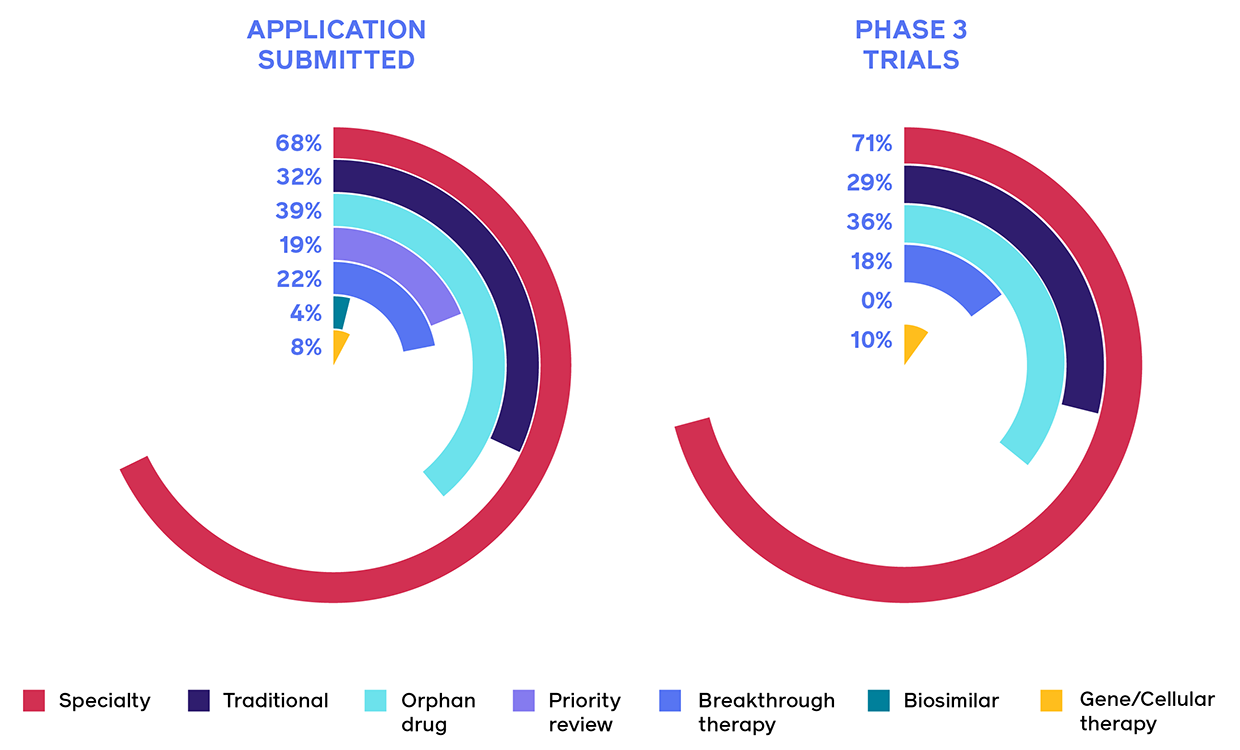
The FDA decisions for specialty medications (68%) and for Orphan Drugs (39%) in the pipeline continue to grow for agents with applications submitted to the FDA. Six agents are seeking FDA’s Accelerated Approval. Several approvals are expected under the FDA’s CNPV pilot.
First quarter 2026 may usher in notable approvals. Select highlights include:
- High-dose version of SC Wegovy for weight loss
- First treatment for a rare, debilitating and potentially life-threatening blood disorder
- First therapy for a rare inherited mitochondrial disorder that leads to vision loss
- A once-weekly option for a type of dwarfism
- First once-weekly basal insulin for type 2 diabetes
- A sublingual film formulation of epinephrine for anaphylaxis
We hope you enjoy the report!
Maryam Tabatabai
Associate Vice President, Clinical Information
Editorial team
Maryam Tabatabai, PharmD
Editor-In-ChiefAssociate Vice President, Clinical Information Data Scientist Principal
Carole Kerzic, RPh
Executive Editor
Drug Information Pharmacist Principal
Nicole Kjesbo, PharmD, BCPS
Executive Editor
Clinical Program Development Director Senior
Consultant panel
Andrea Henry, PharmD, MBA, BCPS
Drug Information Pharmacist Principal
Danny Melson
Data Scientist Principal
Katie Owen, PharmD, BCOP
Clinical Program Pharmacist Principal
Olivia Pane, PharmD, CDCES
Drug Information Pharmacist
All brand names are property of their respective owners.
The drug pipeline is fluid; the dates and information within this publication are subject to change. Nothing herein is or shall be construed as a promise or representation regarding past or future events and Prime Therapeutics expressly disclaims any and all liability relating to the use of or reliance on the information contained in this presentation. The information contained in this publication is intended for educational purposes only and should not be considered clinical, financial, or legal advice. By receipt of this publication, each recipient agrees that the information contained herein will be kept confidential and that the information will not be photocopied, reproduced, distributed to, or disclosed to others at any time without the prior written consent of Prime Therapeutics.
Deep dive
allogeneic T-cell immunotherapy (Orca-T) oral
Proposed indications
Hematological malignancies, including acute myeloid leukemia (AML), acute lymphoblastic leukemia (ALL) and myelodysplastic syndromes (MDS)
Clinical overview
Mechanism of action
Orca-T is an allogeneic T cell immunotherapy that contains purified regulatory T cells, hematopoietic stem cells and conventional T cells derived from peripheral blood from either related or unrelated matched donors.
Clinical trial(s)
The ongoing, open-label Phase 3 Precision-T (NCT04013685) trial compared efficacy and safety of Orca-T to conventional allogeneic hematopoietic stem cell transplant (allo-HSCT) in adults with acute leukemias or MDS undergoing myeloablative conditioning. A total of 187 adults were randomized to Orca-T with tacrolimus or conventional allo-HSCT with tacrolimus and methotrexate (Tac/MTX), using G-CSF-mobilized peripheral blood from human leukocyte antigen (HLA)-matched donors. Patients were followed for up to 730 days after transplantation. The primary endpoint of moderate-to-severe chronic GVHD-free survival at 12 months was achieved in significantly more patients who received Orca-T than those who received allo-HSCT (78% versus 38.4%, respectively; hazard ratio, 0.26; p<0.00001). The secondary endpoint of GVHD-free and relapse-free survival at 12 months was significantly greater with Orca-T compared to allo-HSCT (63.1% versus 30.9%, respectively; p=0.00003). In addition, non-relapse mortality (NRM) was 3.4% in the Orca-T arm compared to 13.2% in the allo-HSCT arm (p=0.03). However, the overall survival (OS) and relapse-free survival (RFS) at 12 months did not differ significantly between the groups (OS, 93.7% versus 83.2%, respectively; RFS, 75.5% versus 74.1%, respectively). The overall incidence of grade 3/4 adverse events, including severe infection and severe acute GVHD, were lower with Orca-T compared to allo-HSCT. The final completion of the Precision-T trial is estimated in July 2026.
In the Precision-T trial, Orca-T is administered via IV infusion after myeloablative conditioning followed by single-agent tacrolimus.
Place in therapy
Allo-HSCT is a potentially curative treatment for patients with high-risk hematological malignancies, including AML, ALL and MDS. Approximately 8,000 people receive allo-HSCT in the United States each year. Patients scheduled for allo-HSCT receive cytotoxic conditioning regimens to eradicate residual malignant cells in the bone marrow and to suppress the immune system to allow for engraftment of healthy donor cells to take place. However, despite immune suppression, GVHD remains a major complication following allo-HSCT.
Like allo-HSCT, Orca-T is derived from allogeneic donors, and both use conventional T cells. Orca-T differentiates itself from allo-HSCT with the addition of highly purified, polyclonal donor regulatory T cells to prevent GVHD with significantly less immunosuppression. In the Precision-T trial, a regimen of Orca-T with tacrolimus led to significantly fewer cases of chronic GVHD at 12 months and fewer serious side effects compared to a regimen of allo-HSCT with tacrolimus and methotrexate in patients with AML, ALL or MDS. If approved, Orca-T may improve outcomes compared to traditional allo-HSCT in adults with high-risk hematologic cancers.
FDA approval timeline
April 6, 2026
FDA designations: Orphan Drug, Priority Review, Regenerative Medicine Advanced Therapy
Financial forecast (reported in millions)
The financial forecast for Orca-T is not currently available.
baxdrostat oral
Proposed indications
Resistant or uncontrolled hypertension
Clinical overview
Mechanism of actionBaxdrostat is an aldosterone synthase inhibitor.
The Phase 3, double-blind, placebo-controlled BaxHTN trial (NCT06034743) evaluated baxdrostat in 796 adults with uncontrolled hypertension (uHTN) or treatment-resistant hypertension (rHTN). Eligible patients had a mean seated office systolic blood pressure (seated SBP) ≥ 140 mmHg and < 170 mmHg, despite stable treatment with two (in patients with uHTN) or at least three (in patients with rHTN) antihypertensive medications, including a diuretic, at maximum tolerated doses. Enrolled patients also had an eGFR ≥ 45 mL/min/1.73m² at screening. Patients were randomized 1:1:1 to baxdrostat 1 mg, baxdrostat 2 mg or placebo, each in addition to background antihypertensive therapy. At 12 weeks, the baxdrostat 1 mg and 2 mg doses led to a significant change from baseline in the LSM seated SBP (primary endpoint) compared to placebo (placebo-adjusted difference, -8.7 mmHg and -9.8 mmHg, respectively; p<0.0001 for both comparisons). At week 12, the proportion of patients with controlled seated SBP (< 130 mmHg) who received baxdrostat 1 mg, baxdrostat 2 mg, and placebo was 39.4%, 40% and 18.7%, respectively (odds ratios, 2.9 for both doses of baxdrostat versus placebo; p<0.0001). In addition, mean change in eGFR from baseline to week 12 was -7 mL/min/1.73m² and -6.9 mL/min/1.73m² with baxdrostat 1 mg and 2 mg, respectively, compared to -0.1 mL/min/1.73m² with placebo. Baxdrostat was generally well tolerated. Mild side effects, including hyperkalemia, hyponatremia, hypotension, muscle spasm, and dizziness were reported with baxdrostat. There were no reports of adrenal insufficiency.
The double-blind, placebo-controlled, Phase 3 Bax24 trial (NCT06168409) evaluated standard of care in combination with either baxdrostat 2 mg or placebo in 218 adults with rHTN. The primary endpoint was the change from baseline in 24-hour average ambulatory systolic blood pressure (ASBP). At 12 weeks, baxdrostat 2 mg demonstrated a statistically significant placebo-adjusted change of -14 mmHg in 24-hour ASBP (p<0.0001). Baxdrostat was generally well tolerated, with a similar safety profile seen in the BaxHTN trial.
Dosage and administration
In the clinical trials, baxdrostat 1 mg and/or 2 mg doses were administered orally once daily.
Place in therapy
Nearly half of all adults (nearly 120 million) in the United States have hypertension (SBP ≥ 130 mmHg or DBP ≥ 80 mmHg) or are taking medications for hypertension. It is estimated that blood pressure is not controlled (BP ≥ 130/80 mmHg) in over 75% of adults with hypertension. Resistant hypertension is considered when BP is above goal (≥ 130/80 mmHg) despite treatment with three antihypertensive medications with complementary mechanisms of action, including a diuretic at maximally tolerated doses, or BP is at goal but requires at least four medications. The prevalence of resistant hypertension is approximately 8.5% to 20% among hypertensive adults in the United States. Patients with resistant hypertension are at increased risk of MI, stroke, ESRD, and CV death compared to those without resistance. Resistant hypertension is more likely to affect Blacks and individuals with advanced age, obesity, CKD, or diabetes.
Lifestyle intervention (e.g., weight loss, sodium restriction, exercise) and addressing causes of secondary hypertension are important for managing hypertension. Empirical pharmacotherapy combines medications with complementary mechanisms and includes a diuretic, a calcium channel blocker, and a renin-angiotensin-aldosterone system blocker (ACEI or ARB). If BP goals are not met with three antihypertensive agents, additions of the following agents are made: mineralocorticoid receptor antagonists or, alternatively, beta-blockers, alpha-blockers, central sympatholytic drugs, dual endothelin receptor antagonists, or direct vasodilators.
Baxdrostat is an aldosterone synthase inhibitor that reduces the production of aldosterone, a key hormone that increases BP. In clinical trials, the addition of baxdrostat to background antihypertensive therapy led to statistically significant reductions from baseline in SBP. If approved, baxdrostat will be the first aldosterone synthase inhibitor indicated to lower BP. Baxdrostat is also in Phase 3 trials for use in combination with dapagliflozin to evaluate renal outcomes and CV mortality in patients with CKD and hypertension.
Mineralys also submitted their aldosterone synthase inhibitor lorundrostat to the FDA for the treatment of uHTN and rHTN in late 2025.
FDA approval timeline
April–June 2026
FDA designations: Priority Review
Financial forecast (reported in millions)
| Year | Projected yearly U.S. sales |
|---|---|
| 2026 | $56 |
| 2027 | $172 |
| 2028 | $318 |
| 2029 | $512 |
| 2030 | $789 |
cytisinicline oral
Proposed indications
Nicotine dependence for smoking cessation in adults
Clinical overview
Mechanism of actionCytisinicline is a plant-derived alkaloid with a high binding affinity to the nicotinic acetylcholine receptor in the brain that is designed to reduce the severity of nicotine craving symptoms and the reward and satisfaction associated with nicotine and to restore dopamine to normal levels.
Clinical trial(s)
The Phase 3, double-blind, placebo-controlled ORCA-2 (NCT04576949; n=810) and ORCA-3 (NCT05206370; n=792) trials evaluated cytisinicline for smoking cessation in adults who smoked cigarettes daily (≥ 10 cigarettes/day) and wanted to quit. The studies excluded participants with recent illicit drug use, recent serious CV events, psychosis or bipolar disorder, current suicidal risk, moderate to severe depression, or use of any smoking cessation product within four weeks prior to randomization. Participants were randomized to six weeks (followed by six weeks of placebo) or 12 weeks of either cytisinicline or placebo. All participants received behavioral support. The co-primary endpoints in each trial were the percentage of participants with smoking abstinence, as verified by weekly expired carbon monoxide (CO) measurements ≤ 10 parts per million (ppm) the last four weeks of the six- or 12-week treatment. Continued smoking abstinence from the last four weeks of treatment to week 24 was self-reported as a secondary endpoint. Both trials reported significantly higher continuous abstinence rates with cytisinicline compared to placebo during all timeframes.
ORCA-2
Primary outcomes (smoking abstinence)
- 6-week course: 25.3% versus 4.4%, respectively, during weeks three to six (odds ratio [OR], 8; p<0.001)
- 12-week course: 32.6% versus 7% respectively, during weeks nine to 12 (OR, 6.3; p<0.001)
Secondary outcomes (continued abstinence)
- 6-week course: 8.9% versus 2.6%, respectively, during weeks three to 24 (OR, 3.7; p=0.002)
- 12-week course 21.1% versus 4.8%, respectively, during weeks nine to 24 (OR, 5.3; p< 0.001)
ORCA-3
Primary outcomes (smoking abstinence)
- 6-week course: 14.8% versus 6%, respectively, during weeks three to six (OR, 2.9; p<0.001)
- 12-week course: 30.3% versus 9.4% respectively, for weeks nine to 12 (OR, 4.4; p<0.001)
Secondary outcomes (continued abstinence)
- 6-week course: 6.8% versus 1.1%, respectively, during weeks three to 24 (OR, 6.3; p<0.001)
- 12-week course: 20.5% versus 4.2%, respectively, during weeks nine to 24 (OR, 5.8; p<0.001)
Relapse rates from weeks six to 24 were also assessed. The studies showed that there was no increased risk of smoking relapse in participants who had successfully quit smoking by weeks three through six after switching to placebo compared to those who received cytisinicline for the full 12-week course. In the ORCA-2 and ORCA-3 trials, TEAEs reported with cytisinicline (< 10%) included insomnia, abnormal dreams and constipation. Most were of mild to moderate severity.
The open-label extension safety trial, ORCA-OL (NCT06435221) evaluated the long-term exposure of cytisinicline over 52 weeks. Among 334 participants who received cytisinicline for one year, adverse events were mostly mild in severity, and no serious treatment-related adverse events were reported.
Dosage and administration
In the ORCA-2 and ORCA-3 clinical trials, cytisinicline 3 mg was administered orally three times daily.
Place in therapy
Tobacco product use remains the leading cause of preventable disease and leads to an estimated 480,000 deaths each year in the United States. According to the CDC, 28.8 million (11.6%) adults in the United States reported tobacco product use in 2022. Cigarettes remain the most used type of tobacco product.
Nicotine is the main addictive component in tobacco. Approaches to quitting include pharmacotherapy and behavioral support. Pharmacologic aids include transdermal, gum, lozenge, and nasal spray nicotine replacement therapy (NRT) products, oral bupropion (generics for Zyban), and oral varenicline (Chantix, generics). With the exception of nasal spray, NRT agents are available without a prescription, while both bupropion and varenicline require a prescription.
Cytisinicline and varenicline are nicotine receptor partial agonists and are structurally similar to nicotine. Varenicline is started one week before the planned date of smoking cessation and continued for a total of 12 weeks; an additional 12 weeks is recommended for long-term abstinence. In the clinical trials supporting the FDA submission, cytisinicline was administered orally three times a day for up to 12 weeks, and the long-term extension trial administered treatment through 52 weeks.
ICER revised their evidence report assessing cytisinicline and varenicline for smoking cessation in 2025. The panel determined that cytisinicline provides superior net health benefits (A rating) compared to behavioral interventions alone. Based on a network meta-analysis (NMA), net health benefits of cytisinicline may be as good as or better (C+ rating) compared to combination NRT (patch plus gum or lozenge or varenicline due to higher rates of GI side effects). However, evidence is insufficient (I rating) to assess the net health benefit of cytisinicline compared to varenicline plus combination NRT. Cytisinicline was also found to have at least a small net health benefit compared to bupropion (B+ rating). In addition, the varenicline labeling carries a warning regarding the risk of neuropsychiatric adverse events (e.g., suicidality, depression, aggression). The ORCA-2 and ORCA-3 clinical trials did not report neuropsychiatric adverse events among individuals who received cytisinicline; both studies excluded individuals with psychiatric disorders. ICER also reports that varenicline is associated with GI side effects that can limit varenicline’s tolerability and can produce sleep disturbances (e.g., vivid dreams, insomnia) that may be troubling to the patient. Cytisinicline has GI effects similar to placebo and it is unclear whether cytisinicline causes fewer sleep disturbances than varenicline.
If approved, cytisinicline will provide an additional option for smoking cessation in adults. It may provide a flexible treatment duration and better GI tolerability compared to varenicline. It remains to be seen whether cytisinicline labeling will carry a similar warning to varencicline regarding neuropsychiatric events. Cytisinicline is also being evaluated for vaping (e-cigarette) cessation in a Phase 3 clinical trial (ORCA-VA) and received a CNPV from the FDA for the treatment for nicotine dependence associated with e-cigarette or vaping cessation.
FDA approval timeline
June 20, 2026
FDA designations: Breakthrough Therapy
Financial forecast (reported in millions)
| Year | Projected yearly U.S. sales |
|---|---|
| 2026 | $12 |
| 2027 | $64 |
| 2028 | $137 |
| 2029 | $216 |
| 2030 | $291 |
DB-OTO intracochlear
Proposed indications
Congenital hearing loss due to variants of the otoferlin (OTOF) gene
Clinical overview
Mechanism of action
DB-OTO is an investigational cell-selective, dual adeno-associated virus (AAV) vector gene therapy designed to deliver a working copy of the OTOF gene.
Clinical trial(s)
The open-label, single-arm, Phase 1/2 CHORD trial (NCT05788536) evaluated DB-OTO in 12 children (< 18 years of age) with profound hearing loss, defined as an average audiometric threshold of > 90 decibel hearing level (dB HL), due to variants of the OTOF gene. This hearing level represents the inability to hear a gas-powered lawn mower. The trial met the primary endpoint demonstrating that 24 weeks after a single DB-OTO intracochlear infusion, nine children experienced hearing improvements at a threshold of ≤ 70 dB HL as assessed by behavioral pure tone audiometry (PTA). This clinical standard typically avoids cochlear implantation, allowing for natural acoustic hearing. Among these nine patients, six could hear soft speech without assistive devices, and three were also able to detect whispers (normal hearing sensitivity). One additional patient achieved nearly normal hearing sensitivity by week 48. In addition, an auditory brainstem response at ≤ 90 decibels (secondary endpoint) was observed in nine patients. Significant improvement in speech development was also seen among three children at 48 weeks. DB-OTO was well tolerated, including the surgical procedure. Transient post-surgical vestibular adverse events (e.g., nystagmus, nausea, dizziness, vomiting) were reported.
Dosage and administration
In the CHORD trial, DB-OTO was administered as a one-time intracochlear infusion of 7.2 x 10¹² vector genomes in one or both ears.
Place in therapy
Congenital hearing loss affects about one in 500 children. Between 1–8% of cases of congenital, nonsyndromic (not affecting other organs) hearing loss are caused by variations in the OTOF gene, which encodes otoferlin, a synaptic protein of sensory hair cells. Mutations in the OTOF gene cause disruption of synaptic transmission in cochlear inner hair cells, which leads to profound congenital deafness. Cochlear implants can restore partial hearing, but with limited sound quality and speech recognition. While the surgical implant rarely needs to be replaced, the external technology (e.g. sound processor) used with the device may be upgraded or replaced.
If approved, DB-OTO will be the first pharmacologic treatment and only gene therapy that addresses the root cause of OTOF-related hearing loss. In the CHORD trial, a one-time infusion in one or both ears led to significant improvement in hearing at 24 weeks in children with OTOF-related profound hearing loss. DB-OTO may provide an alternative treatment to cochlear implants in patients with congenital hearing loss due to variants of the OTOF gene.
FDA approval timeline
January-June 2026 (based on anticipated BLA submission)
FDA designations: Commissioners National Priority Voucher, Fast Track, Orphan Drug, Rare Pediatric Disease, Regenerative Medicine Advanced Therapy
Financial forecast (reported in millions)
| Year | Projected yearly U.S. sales |
|---|---|
| 2026 | $0 |
| 2027 | $0 |
| 2028 | $1 |
| 2029 | $3 |
| 2030 | $7 |
ensitrelvir oral
Proposed indications
Coronavirus disease of 2019 (COVID-19) post exposure prophylaxis (PEP)
Clinical overview
Mechanism of actionEnsitrelvir is a SARS-CoV-2 main protease inhibitor.
Clinical trial(s)
The global, double-blind, placebo-controlled Phase 3 SCORPIO-PEP trial (NCT05897541), conducted between June 2023 and September 2024, evaluated ensitrelvir for the prevention of COVID-19 following exposure to an infected individual. The study enrolled participants aged 12 years and older with a negative screening test for SARS-CoV-2 infection and no symptoms at the time of enrollment who were exposed to a person living in their household with symptomatic COVID-19. Participants were randomized to receive ensitrelvir or placebo. The primary endpoint was the proportion of household contacts who developed COVID-19 (RT-PCR positive and at least one of the 14 specified COVID-19 symptoms lasting for ≥ 48 hours) by day 10. Among the ensitrelvir group included in the primary analysis (n=2,041), 2.9% of participants developed symptomatic COVID-19 illness compared to 9% of those in the placebo group (risk ratio, 0.33; p<0.0001) at day 10. No COVID-19-related hospitalizations or deaths occurred. Ensitrelvir was generally well tolerated. Adverse events were reported at similar rates with ensitrelvir and placebo.
Dosage and administration
In the SCORPIO-PEP trial, ensitrelvir 125 mg was administered orally once daily beginning within three days of when the household member with COVID-19 began showing symptoms. Ensitrelvir was given for a total of five days.
Place in therapy
SARS-CoV-2 is transmissible including among people living in the same household. COVID-19 vaccines are available; however, there are currently no FDA-approved antiviral therapies proven to prevent COVID-19 following exposure. Nirmatrelvir co-packaged with ritonavir (Paxlovid) is available for the treatment of mild to moderate COVID-19 in adults at high risk for progression to severe COVID-19, including hospitalization or death, but it is associated with significant drug interactions.
In the SCORPIO-PEP clinical trial, ensitrelvir led to a 67% relative risk reduction in developing symptomatic COVID-19 at day 10 in individuals who were exposed to a person living in their household with symptomatic COVID-19. If approved, ensitrelvir may provide benefit, particularly to people at high risk of developing severe illness, such as those with weakened immune systems or chronic health conditions, the elderly, and for those who could transmit COVID-19 to high-risk populations, including in hospitals and skilled nursing facilities.
FDA approval timeline
June 16, 2026
FDA designations: Fast Track
Financial forecast (reported in millions)
The financial forecast for ensitrelvir is not currently available.
idebenone oral
Manufacturer: Chiesi
Proposed indications
Leber hereditary optic neuropathy (LHON)
Clinical overview
Mechanism of action
Idebenone is a short-chain benzoquinone designed to preserve, protect and reactivate retinal ganglion cell function.
Clinical trial(s)
The Phase 2/3, double-blind, placebo-controlled RHODOS trial (NCT00747487), conducted outside the United States, evaluated 85 patients with LHON. It enrolled patients 14 to < 65 years of age with an LHON duration of less than five years and carrying one of the most common mitochondrial DNA mutations (m.11778G>A, m.3460G>A, or m.14484T>C). The primary endpoint was the best recovery in visual acuity (VA) as measured by the Early Treatment Diabetic Retinopathy Study (ETDRS) charts. At 24 weeks, the trial did not meet its primary endpoint in the mITT populations. The change from baseline was logMAR -0.136 (approximately +6 ETDRS letters) in the idebenone group and logMAR -0.036 (approximately +1 ETDRS letter) in the placebo group (p=0.0862). However, statistically significant improvements were observed with the key secondary endpoint of change in best VA (logMAR -0.037 [+1 letter] with idebenone compared to logMAR +0.123 [-6 letters] with placebo; p=0.0152).
The Phase 4, open-label, natural history-controlled LEROS trial (NCT02774005) evaluated idebenone in 199 patients with LHON up to five years after symptom onset. The study included patients carrying one of the most common mitochondrial DNA mutations (m.11778G>A, m.3460G>A, or m.14484T>C mutations). Patients were treated with idebenone for 24 months. Response was compared to an external natural history (NH) control cohort (n=372 matched individuals). The primary endpoint was the proportion of eyes achieving clinically relevant benefit (CRB) defined as either a clinically relevant recovery (CRR) or clinically relevant stabilization (CRS) of VA from baseline. Among patients who started idebenone treatment within one year of symptom onset, at 12 months, 42.3% of eyes achieved CRB compared to 20.7% of eyes in the control group (odds ratio, 2.29; p=0.002). Benefit was sustained at 24 months (52.9% versus 36%, respectively; odds ratio, 2.08; p=0.0297). A secondary analysis in patients who started treatment more than one year after symptom onset also revealed a statistically significant benefit at 12 months with idebenone compared to the NH cohort (50.3% versus 38.6%, respectively; odds ratio, 1.93; p=0.0087).
Dosage and administration
In both trials, idebenone was administered orally as 300 mg three times a day.
Place in therapy
LHON is an inherited mitochondrial disorder caused by genetic mutations that impair retinal ganglion cell function. Sudden onset of visual impairment progresses rapidly to severe vision loss, often affecting both eyes within weeks to months. LHON primarily affects adolescent boys and young men between the ages of 15 and 35 years. It is estimated to affect 1 in 15,000 to 50,000 people worldwide.
There is currently no cure for LHON. Treatment includes nutritional supplements, genetic counseling and lifestyle management. If approved, idebenone will be the first medication to treat LHON. The agent is approved in several countries outside the United States under the brand name Raxone.
FDA approval timeline
FDA designations: Orphan Drug, Priority Review
Financial forecast (reported in millions)
The projected yearly U.S. sales for idebenone is not available.
orforglipron oral
Proposed indications
Obesity or overweight in adults
Clinical overview
Mechanism of actionOrforglipron is a non-peptide glucagon-like peptide-1 (GLP-1) receptor agonist.
Clinical trial(s)
The double-blind, placebo-controlled, Phase 3 ATTAIN-1 (NCT05869903) trial evaluated orforglipron in adults with obesity and without diabetes mellitus. The trial randomized 3,127 patients to orforglipron 6 mg, 12 mg or 36 mg or placebo, each as adjunct to a healthy diet and physical activity. Interim data revealed that at 72 weeks, the primary endpoint of change in body weight from baseline was -7.5% with orforglipron 6 mg, -8.4% with orforglipron 12 mg and -11.2% with orforglipron 36 mg compared to -2.1% with placebo (p<0.001 for all doses versus placebo). The orforglipron 36 mg group had reductions in body weight of at least 10%, 15% and 20% in 54.6%, 36% and 18.4% of patients, respectively, compared to 12.9%, 5.9% and 2.8% of the patients, respectively, in the placebo group. Improvements in secondary endpoints including waist circumference, SBP and lipid levels were also observed in patients in the orforglipron group. The most common TEAEs with orforglipron were GI in nature (nausea 34%, constipation 25%, diarrhea 23%, vomiting 24% [all reported with 36 mg dose]) and were usually mild to moderate in severity. Seven percent of patients on orforglipron 36 mg discontinued treatment due to GI adverse effects.
The double-blind, placebo-controlled, Phase 3 ATTAIN-MAINTAIN (NCT06584916) trial reported that patients who experienced weight loss with an injectable GPL-1 (tirzepatide or semaglutide) in the SURMOUNT-5 trial were able to maintain their weight loss after switching to oral orforglipron. Detailed results from the ATTAIN-MAINTAIN trial are expected to be published in a peer-reviewed journal in 2026.
Dosage and administration
In clinical trials, orforglipron is administered orally once daily.
Place in therapy
Obesity is a chronic condition associated with a significant increase in mortality and multiple health risks. According to 2017–2018 data from the National Health and Nutrition Examination Survey (NHANES), 30.7% of adults in the United States have overweight, 42.4% of adults have obesity and 9.2% have severe obesity.
Several medications are FDA-approved for weight management as adjuncts to lifestyle management (reduced-calorie diet, increased physical activity) in individuals with obesity or with overweight and weight-related comorbid conditions (e.g., T2DM, hypertension, dyslipidemia). In December 2025, the FDA approved an oral version of semaglutide (Wegovy) as a 25 mg tablet as the first oral GLP-1 receptor agonist indicated for chronic weight management and CV risk reduction in adults who have overweight or obeseity. Injectable GLP-1 agents for weight loss are semaglutide (Wegovy), tirzepatide (Zepbound) and liraglutide (Saxenda). Non-GLP-1 oral agents include orlistat (Xenical), phentermine (Adipex-P; short-term use), phentermine/topiramate (Qsymia) and naltrexone/bupropion (Contrave). Injectable semaglutide and tirzepatide produce greater weight reduction compared with other agents.
If approved, orforglipron will be the second oral GLP-1 agent for weight loss and will compete with oral Wegovy which launched in early January 2026. Orforglipron is a non-peptide GLP-1 receptor agonist that is readily absorbed through the GI tract. In contrast, semaglutide is a peptide-based agent that requires absorption enhancers to prevent it from being destroyed by acids and enzymes in the stomach. Oral semaglutide must be taken in the morning 30 minute before food or drink, while orforglipron was administered in clinical trials without food restrictions. In non-comparison trials, orforglipron 36 mg led to an average weight loss of 11.2% (at 72 weeks) compared to 13.6% with oral Wegovy 25 mg (at 64 weeks). Differences in patient demographics and study design between the trials (OASIS-4 versus ATTAIN-1) could have contributed to the difference in reported weight loss. GI adverse events are reported with both oral Wegovy and orforglipron, such as nausea, vomiting, diarrhea and constipation, which often improve with time or dose titration adjustments.
Eli Lilly is also evaluating the efficacy and safety of orforglipron in people with T2DM, including those with obesity. Regulatory submission for T2DM is anticipated in the first half of 2026 pending the ACHIEVE program trial completion.
FDA approval timeline
April–June 2026
FDA designations: Commissioner’s National Priority Voucher
Financial forecast (reported in millions)
| Year | Projected yearly U.S. sales |
|---|---|
| 2026 | $540 |
| 2027 | $1,668 |
| 2028 | $2,789 |
| 2029 | $3,599 |
| 2030 | $4,272 |
sonrotoclax oral
Manufacturer: BeOne
Proposed indications
Relapsed or refractory (R/R) mantle cell lymphoma (MCL) following treatment with a Bruton’s tyrosine kinase (BTK) inhibitor
Clinical overview
Mechanism of action
Sonrotoclax inhibits B-cell lymphoma 2 (BCL2) that is a key protein regulator of apoptosis.
Clinical trials
The ongoing, single-arm, open-label, Phase 1/2 dose-escalation, BGB-11417-201 (NCT05471843) trial evaluated sonrotoclax in adults with R/R MCL who received prior treatment with a BTK inhibitor and anti-CD20 therapy. Among 103 evaluable patients who received monotherapy with sonrotoclax 320 mg, at a median follow-up of 7.4 months the ORR was 53.4%, with a complete response of 14.6%. Median time to response was 1.9 months, median DOR was 15.8 months, median PFS was 6.5 months, and median OS was not reached (as assessed by IRC). The most common TEAEs (≥ 20%) were hematologic in nature. The most common grade ≥ 3 adverse event was neutropenia. TEAEs led to treatment discontinuation in 16 patients (13.9%) and death in 15 patients (13%).
Dosage and administration
In the BGB-11417-201 trial, sonrotoclax 320 mg orally once daily was determined to be the recommended study dose.
Place in therapy
MCL is a type of B-cell non-Hodgkin lymphoma (NHL). It accounts for approximately 5% of NHL cases in the United States, with about 4,000 new cases reported annually. MCL most often appears in the lymph nodes, bone marrow and spleen. It occurs most often in men and presents at a median age of 65 years as stage III or IV disease. While MCL responds well to treatment, it usually relapses. Most cases (80%) are aggressive disease with median survival of 8–10 years. The median survival for the remaining indolent type is greater than 15 years.
MCL B cells are usually CD5- and CD20-positive with an overexpression of cyclin D1. The treatment course depends on disease stage. Watchful waiting or radiation therapy may be considered in early stage or slowly progressing disease (non-nodal leukemic subtype). BTK inhibitors (acalabrutinib, zanubrutinib, ibrutinib, pirtobrutinib), anti-CD20 monoclonal antibodies (rituximab, obinutuzumab), a BCL-2 inhibitor (venetoclax [off-label]) and an immune stimulator (lenalidomide) may be used alone or in combination as targeted therapy. Younger, relatively healthy patients may opt for chemoimmunotherapy (bendamustine plus rituximab, R-CHOP, R-DHAP) with rituximab maintenance (2-3 years) and adding BTK inhibitors to first-line chemo has improved outcomes and reduced use of up-front autologous SCT. BTK inhibitors or rituximab plus lenolidomide are used as second-line and subsequent therapies, as well as allogeneic SCT or CAR T-cell therapy (high-risk patients). Venetoclax may be used with ibrutinib or rituximab in some patients.
If approved, sonrotoclax will be the first BCL2 inhibitor that is FDA-indicated for patients with R/R MCL after BTK inhibitor therapy. In an ongoing clinical trial, monotherapy with sonrotoclax led to rapid (median, 1.9 months) and durable (median DOR, 15.8 months) response in adults with R/R MCL who received prior treatment with a BTK inhibitor and anti-CD20 therapy. Furthermore, sonrotoclax is a next-generation BCL2 inhibitor with improved selectivity and potency compared to first-in-class venetoclax, which is currently used in multiple hematologic malignancies. Use of sonrotoclax may expand to additional indications; Phase 3 trials are in progress for CLL/SLL, as well as in combination with a BTK inhibitor for R/R MCL, and additional earlier phase trials in Waldenstrom’s macroglobulinemia, AML, and multiple myeloma are underway.
FDA approval timeline
FDA designations: Breakthrough Therapy, Fast Track, Orphan Drug, Priority Review
Financial forecast (reported in millions)
The financial forecast for sonrotoclax for MCL is not currently available.
vepdegestrant oral
Manufacturer: Arvinas / Pfizer
Proposed indications
Estrogen receptor-positive (ER+)/human epidermal growth factor receptor 2-negative (HER2-), estrogen receptor 1 (ESR1)-mutated advanced or metastatic breast cancer following endocrine-based therapy
Clinical overview
Mechanism of action
Vepdegestrant is an oral PROteolysis TArgeting Chimera (PROTAC) estrogen receptor degrader.
Clinical trials
The ongoing Phase 3, open-label VERITAC-2 trial (NCT05654623) is evaluating vepdegestrant as monotherapy in patients with ER-positive, HER2-negative advanced or metastatic breast cancer that was previously treated with a CDK4/6 inhibitor plus endocrine therapy. The trial enrolled 624 patients, 270 of whom had ESR1-mutated positive disease. Patients were randomized to receive either vepdegestrant or fulvestrant. The primary endpoint was PFS in the ESR1-mutation and intent-to-treat populations. Among patients with ESR1 mutations, the study reported that the median PFS was 5 months with vepdegestrant and 2.1 months with fulvestrant (hazard ratio, 0.58; p<0.001). Among all patients in the ITT analysis, the median PFS was 3.8 months with vepdegestrant and 3.6 months with fulvestrant (hazard ratio, 0.83; p=0.07). Data for OS was immature at the time of analysis. Grade ≥ 3 adverse events were reported more often in patients who received vepdegestrant than those given fulvestrant (23.4% versus 17.6%, respectively). Discontinuation rates due to adverse events were 2.9% with vepdegestrant and 2.9% with fulvestrant.
Dosage and administration
In the VERITAC-2 trial, vepdegestrant was administered orally once daily on a 28-day continuous dosing schedule. Fulvestrant 500 mg was administered IM on days 1 and 15 of cycle 1 and then on day 1 of each 28-day cycle starting from day 1 of cycle 2.
Place in therapy
Breast cancer is the most common malignancy in females in the United States with an estimated 313,510 cases in 2024. The preferred first-line treatment of ER-positive, HER2-negative breast cancer is an aromatase inhibitor (AI) (anastrozole [Arimidex], exemestane [Aromasin], letrozole [Femara]) plus a CDK4/6 inhibitor (abemaciclib [Lynparza], palbociclib [Ibrance], ribociclib [Kisqali]). ESR1 activating mutations are often detected in breast cancer tumors with prior exposure to AIs and are typically resistant to both AIs and tamoxifen. Second line treatment options for patients with ESR1 mutations include selective estrogen receptor degraders (SERDs), including injectable fulvestrant (Faslodex) and oral elacestrant (Orserdu) and imlunestrant (Inluriyo).
Vepdegestrant is a first-in-class PROTAC agent. In the VERITAC-2 trial, vepdegestrant monotherapy demonstrated a statistically significant and clinically meaningful improvement in PFS compared with fulvestrant among patients with an ESR1 mutation who were previously treated with a CDK4/6 inhibitor plus endocrine therapy. Vepdegestrant may also compete with oral SERDs (Orserdu, Inluriyo). AstraZeneca is also seeking FDA approval for the oral SERD, camizestrant, for the treatment of ER-positive, HER2-negative breast cancer with ESR1-mutation; its FDA decision is expected in the first half of 2026.
First-line use of vepdegestrant in combination with palbociclib is also being evaluated in the Phase 3 VERITAC-3 clinical trial (NCT05909397) in patients with ER-positive, HER2-negative breast cancer who have not received prior systemic anti-cancer treatment for advanced disease. Trial completion is estimated in December 2026.
FDA approval timeline
FDA designations: Fast Track
Financial forecast (reported in millions)
| Year | Projected yearly U.S. sales |
|---|---|
| 2026 | $36 |
| 2027 | $88 |
| 2028 | $150 |
| 2029 | $218 |
| 2030 | $279 |
Keep on your radar
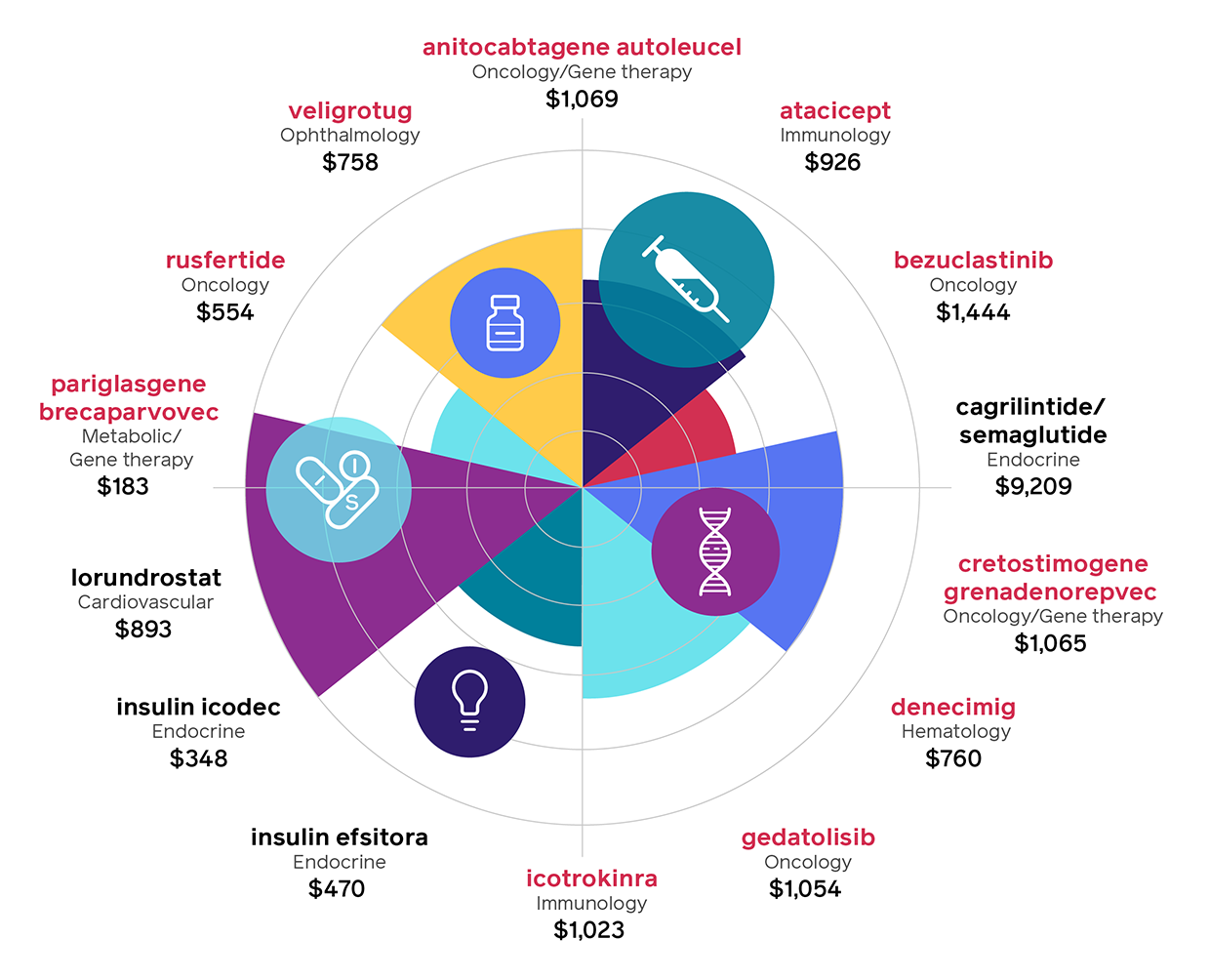
| Drug generic name | Therapeutic category | Total U.S. sales for 2030 (Dollars in millions) |
|---|---|---|
| anitocabtagene autoleucel | Oncology – Gene therapy | $1,069 |
| atacicept | Immunology | $926 |
| bezuclastinib | Oncology | $1,444 |
| cagrilintide/semaglutide | Endocrine | $9,209 |
| cretostimogene grenadenorepvec | Oncology – Gene therapy | $1,065 |
| denecimig | Hematology | $760 |
| gedatolisib | Oncology | $1,054 |
| icotrokinra | Immunology | $1,023 |
| insulin efsitora | Endocrine | $470 |
| insulin icodec | Endocrine | $348 |
| lorundrostat | Cardiovascular | $893 |
| pariglasgene brecaparvovec | Metabolic – Gene therapy | $183 |
| rusfertide | Oncology | $554 |
| veligrotug | Ophthalmology | $758 |
Drug list
Gene and cellular therapies
| Name | Manufacturer | Clinical use | Dosage form | Development status - FDA designations | FDA decision |
|---|---|---|---|---|---|
| DB-OTO | Regeneron | Congenital hearing loss (otoferlin gene variants) | Intracochlear infusion | BLA – CNPV, FT, OD, RPD, RMAT | 1H 2026 (based on anticipated submission) |
| clemidsogene lanparvovec (RGX-121) | Nippon Shinyaku, Regenxbio | Mucopolysaccharidosis II (Hunter syndrome) | Intrathecal | BLA – FT, OD, PR, RMAT, RPD | 02/08/2026 |
| marnetegragene autotemcel (Kresladi) | Rocket | Leukocyte adhesion deficiency-I | IV | BLA – FT, OD | 03/28/2026 |
| allogeneic T-cell immunotherapy (Orca-T) | Orca Bio | Hematological malignancies | IV | BLA – OD, PR, RMAT | 04/06/2026 |
| vusolimogene oderparepvec (RP1) | Replimune | Melanoma | Intratumoral | BLA – BT, seeking AA | 04/10/2026 |
| anitocabtagene autoleucel | Arcellx, Gilead | Multiple myeloma | IV | BLA – FT, OD, RMAT | 3Q 2026 |
| pariglasgene brecaparvovec (DTX401) | Ultragenyx | Glycogen storage disease (type 1a) | IV | BLA – FT, OD | 3Q 2026 |
| doruxapapogene ralaplasmid (INO-3107) | Inovio | Respiratory papillomatosis | IM | BLA – BT, OD, seeking AA | 10/30/2026 |
| Name | Manufacturer | Clinical use | Dosage form | Development status - FDA designations | FDA decision |
|---|---|---|---|---|---|
| axicabtagene ciloleucel (Yescarta) | Gilead | Primary CNS lymphoma | IV | BLA – BT, PR | February 2026 |
| Name | Manufacturer | Clinical use | Dosage form | Development status - FDA designations | FDA decision |
|---|---|---|---|---|---|
| AAV-AIP1 | MeiraGTx, Eli Lilly | Leber congenital amaurosis 4 (LCA4) congenital blindness | Subretinal | BLA | TBD |
| aglatimagene besadenovec (CAN-2409) | Candel | Prostate cancer | Intratumoral | BLA – FT, RMAT | TBD |
| anzutresgene autoleucel (IMA203) | Immatics | Melanoma | IV | BLA – RMAT | TBD |
| autologous mRNA CAR T-cell therapy (Descartes-08) | Cartesian | Myasthenia gravis | IV | BLA – OD, RMAT | TBD |
| avalotcagene ontaparvovec (DTX301) | Ultragenyx | Ornithine transcarbamylase deficiency | IV | BLA – FT, OD | TBD |
| baluretgene parvec (OCU400) | Ocugen | Retinitis pigmentosa | Subretinal | BLA – OD, RMAT | TBD |
| cretostimogene grenadenorepvec | CG Oncology | Bladder cancer | Intravesical | BLA – BT, FT | TBD |
| deramiocel (CAP-1002) | Nippon Shinyaku, Capricor | DMD | IV | BLA – OD, RMAT, RPD | TBD |
| laruparetigene zovaparvovec | Beacon | Retinitis pigmentosa | Subretinal | BLA – FT, OD, RMAT | TBD |
| lonvoguran ziclumeran (NTLA-2002) | Intellia | HAE | IV | BLA – OD, RMAT | TBD |
| OCU410ST | Ocugen | Stargardt disease | Subretinal | BLA – OD, RPD | TBD |
| rebisufligene etisparvovec (UX111) | Ultragenyx | Mucopolysaccharidosis IIIA (Sanfilippo syndrome type A) | IV | BLA – FT, OD, RMAT, RPD | TBD |
| rexlemestrocel-L | Mesoblast | HFrEF (end-stage, with LVAD implant) | IM | BLA – OD, RMAT, may seek AA | TBD |
| RGX-202 | Regenxbio | DMD | IV | BLA – FT, OD, RPD | TBD |
| surabgene lomparvovec (ABBV-RGX-314) | Abbvie, Regenxbio | Wet AMD | Subretinal | BLA – OD | TBD |
| zimislecel | Vertex, Novartis | T1DM | Hepatic portal vein infusion | BLA – FT, RMAT | TBD |
Biosimilars
| Name | Manufacturer | Clinical use | Dosage form | Development status - FDA designations | FDA decision |
|---|---|---|---|---|---|
| insulin aspart (biosimilar to Novo Nordisk's Novolog) | Amphastar | T1DM; T2DM | SC | BLA | 1Q 2026 |
| golimumab (biosimilar to Janssen's Simponi) | Bio-Thera | RA; UC; PsA | SC | BLA | 05/16/2026 |
| omalizumab (biosimilar to Genentech's Xolair) | Amneal | Urticaria | SC | BLA | September 2026 |
| aflibercept (biosimilar to Regeneron's Eylea) | Alvotech, Teva | Wet AMD; Macular edema following RVO; DME; Diabetic retinopathy | Intravitreal | BLA | 4Q 2026 |
None
Specialty
| Name | Manufacturer | Clinical use | Dosage form | Development status - FDA designations | FDA decision |
|---|---|---|---|---|---|
| ataluren (Translarna) | PTC | DMD (nonsense mutation) | Oral | NDA – FT, OD | 2026 |
| bitopertin | Disc | Porphyria | Oral | BLA – CNPV, OD, RPD, seeking AA | 1Q 2026 |
| bulevirtide 10 mg | Gilead | Chronic hepatitis D virus (HDV) treatment | SC | BLA – BT, OD | 1H 2026 |
| camizestrant | AstraZeneca | Breast cancer (advanced, HR+, HER2-, ESR1-mutated) | Oral | NDA | 1H 2026 |
| idebenone | Chiesi | Leber's hereditary optic neuropathy | Oral | NDA – OD, PR | 02/28/2026 |
| navepegritide | Ascendis | Achondroplasia (children) | SC | NDA – OD, PR | 02/28/2026 |
| linerixibat | GlaxoSmithKline | Cholangitis pruritus | Oral | NDA – OD | 03/24/2026 |
| anifrolumab-fnia (Saphnelo) SC | AstraZeneca | SLE | SC | BLA | 2Q 2026 |
| pivekimab sunirine | Abbvie, Jazz | Blastic plasmacytoid dendritic cell neoplasm | IV | BLA – BT, OD | 2Q 2026 |
| sasanlimab | Pfizer | Bladder cancer (high-risk, non-muscle-invasive, in combination with BCG) | SC | BLA | 2Q 2026 |
| sonrotoclax | BeOne | Mantle cell lymphoma (R/R, prior BTK inhibitor) | Oral | NDA – BT, FT, OD, PR | 2Q 2026 |
| tividenofusp alfa | Denali | Mucopolysaccharidosis II (Hunter syndrome) | IV | BLA – BT, FT, OD, RPD, seeking AA | 04/05/2026 |
| isatuximab-irfc (Sarclisa) SC | Sanofi | Multiple myeloma (R/R) | SC | BLA – OD | 04/23/2026 |
| pegargiminase | Polaris | Mesothelioma (malignant pleural, non-epithelioid histology) | IM | BLA – FT, OD | June 2026 |
| vepdegestrant | Arvinas, Pfizer | Breast cancer (advanced or metastatic, HR+, HER2-, ESR1-mutated, prior ERT) | Oral | NDA – FT | 06/05/2026 |
| nilotinib | Xspray | CML | Oral | 505(b)(2)NDA – OD | 06/18/2026 |
| sirolimus/pegadricase | Sobi | Gout | IV | BLA – FT | 06/27/2026 |
| veligrotug | Viridian | Thyroid eye disease | IV | BLA – BT, PR | 06/30/2026 |
| icotrokinra | Janssen, Protagonist | PSO (ages ≥ 12 years) | Oral | NDA | July 2026 |
| denecimig | Novo Nordisk | Hemophilia A | SC | BLA – OD | 3Q 2026 |
| adrabetadex | Mandos | Niemann-Pick disease type C | Intrathecal | NDA – BT, OD, RPD | 2H 2026 |
| bezuclastinib | Cogent | Mastocytosis (nonadvanced, systemic) | Oral | NDA – BT, OD | 2H 2026 |
| imlifidase | Sarepta | Kidney transplant rejection (desensitization of highly sensitized adult patients undergoing deceased donor kidney transplantation) | IV | BLA – FT, OD, seeking AA | 2H 2026 |
| imsidolimab | Vanda | Generalized pustular psoriasis (GPP) | IV, SC | BLA – OD | 2H 2026 |
| molgramostim | Savara | Acute pulmonary alveolar proteinosis | Inhaled | BLA – BT, FT, OD | 2H 2026 |
| rusfertide | Takeda | Polycythemia vera | SC | NDA – BT, FT, OD | 2H 2026 |
| atacicept | Vera, Bristol Myers Squibb | IgA nephropathy (Berger's disease) | SC | NDA – BT, OD, PR, seeking AA | 07/07/2026 |
| relacorilant | Corcept | Ovarian cancer (platinum-resistant) | Oral | NDA – OD | 07/11/2026 |
| gedatolisib | Celcuity, Pfizer | Breast cancer (HR+, HER2-, PIK3CA wild-type) | IV | NDA – BT, FT, PR, RTOR | 07/17/2026 |
| zidesamtinib | Nuvalent | NSCLC (Advanced ROS1-positive, prior TKI therapy) | Oral | NDA – BT | 09/18/2026 |
| ivonescimab | Akeso | NSCLC (non-squamous, EGFR-mutated) | IV | BLA – FT | 4Q 2026 |
| lorecivivint | Biosplice | Osteoarthritis (knee) | Intraarticular | NDA | January 2027 |
| Name | Manufacturer | Clinical use | Dosage form | Development status - FDA designations | FDA decision |
|---|---|---|---|---|---|
| teplizumab-mzwv (Tzield) | Sanofi | T1DM (stage 3, ages ≥ 8 years) | IV | sBLA – BT, OD, CNPV | 2026 |
| fam-trastuzumab deruxtecan-nxki (Enhertu) | Daiichi Sankyo, AstraZeneca | Gastric cancer (HER2+, 2nd-line) | IV | sBLA | 1Q 2026 |
| somapacitan-beco (Sogroya) | Novo Nordisk | Idiopathic short stature; Small for gestational age; Noonan syndrome | SC | sBLA | 1Q 2026 |
| teclistamab-cqyv (Tecvayli) | Janssen | Multiple myeloma (R/R, in combination with daratumumab/hyaluronidase-fihj) | SC | sBLA – CNPV | 1Q 2026 |
| immune globulin, human-sira (Asceniv) | ADMA | Primary immunodeficiencies (ages ≥ 2 years) | IV | sBLA | 1H 2026 |
| leniolisib (Joenja) | Pharming, Novartis | Activated PI3K delta syndrome (ages 4–11 years) | Oral | sNDA – OD, PR | 01/31/2026 |
| pembrolizumab (Keytruda) | Merck | Ovarian cancer (recurrent, platinum-resistant, in combination with chemotherapy ± bevacizumab) | IV | sBLA – PR | 02/20/2026 |
| decitabine/cedazuridine (Inqovi) | Otsuka | AML (newly diagnosed, in combination with venetoclax) | Oral | sNDA | 02/25/2026 |
| dupilumab (Dupixent) | Sanofi | Allergic fungal rhinosinusitis (ages ≥ 6 years) | SC | sBLA – PR | 02/28/2026 |
| pegvaliase-pqpz (Palynziq) | Biomarin | Phenylketonuria (ages 12-17 years) | SC | sBLA – FT, OD, PR | 02/28/2026 |
| deucravacitinib (Sotyktu) | Bristol Myers Squibb | PsA | Oral | sNDA | 03/06/2026 |
| setmelanotide (Imcivree) | Rhythm | Acquired hypothalamic obesity | SC | sNDA – BT, OD, PR, RPD | 03/20/2026 |
| dupilumab (Dupixent) | Sanofi | Urticaria (ages 2–11 years) | SC | sBLA | April 2026 |
| ustekinumab (Stelara) | Janssen | CD (ages 2–17 years) | IV, SC | sBLA – OD | April 2026 |
| capivasertib (Truqap) | AstraZeneca | Prostate cancer (PTEN-deficient, metastatic, hormone-sensitive) | Oral | sNDA | 2Q 2026 |
| durvalumab (Imfinzi) | AstraZeneca | Bladder cancer (high-risk, non-muscle invasive) | IV | sBLA – BT | 2Q 2026 |
| marstacimab-hncq (Hympavzi) | Pfizer | Hemophilia A or B (with inhibitors) | SC | sBLA – FT, OD | 2Q 2026 |
| sacituzumab govitecan-hziy (Trodelvy) | Gilead | Breast Cancer (metastatic TNBC, 1st-line) | IV | sBLA | 2Q 2026 |
| nusinersen (Spinraza) high dose | Biogen | Spinal muscular atrophy (high dose) | Intrathecal | sNDA – FT, OD | 04/03/2026 |
| nivolumab (Opdivo) | Bristol Myers Squibb | Classical Hodgkin lymphoma | IV | sBLA – BT, OD, PR | 04/08/2026 |
| sparsentan (Filspari) | Travere, Bristol Myers Squibb | Focal segmental glomerulosclerosis | Oral | sNDA – OD | 04/13/2026 |
| teplizumab-mzwv (Tzield) | Sanofi | T1DM (delay progression from stage 2 to 3, ages 1–7 years) | IV | sBLA – BT, OD, CNPV, PR | 04/29/2026 |
| guselkumab (Tremfya) | Janssen | PsA (structural damage inhibition) | IV, SC | sBLA | May 2026 |
| lecanemab-irmb (Leqembi Iqlik) autoinjector | Eisai, Biogen | Alzheimer's disease (SC starting dose) | SC | sBLA – FT | May 2026 |
| venetoclax (Venclexta) | Abbvie | CLL (treatment-naïve, in combination with acalabrutinib) | Oral | sNDA – BT, OD | May 2026 |
| efgartigimod alfa (Vyvgart) | Argenx | Myasthenia gravis (AchR antibody seronegative) | IV | sBLA – FT, OD, PR | 05/10/2026 |
| fam-trastuzumab deruxtecan-nxki (Enhertu) | Daiichi Sankyo, AstraZeneca | Breast cancer (neoadjuvant, HER2+, stage 2–3) | IV | sBLA – BT, PR, RTOR | 05/18/2026 |
| acalabrutinib (Calquence) | AstraZeneca | CLL (treatment-naïve, in combination with venetoclax) | Oral | sNDA – OD | 05/29/2026 |
| furosemide (Furoscix) ReadyFlow autoinjector | MannKind | Edema (adults with CKD or chronic HF) | SC | sNDA | 07/26/2026 |
| ustekinumab (Stelara) | Janssen | UC (ages 2–17 years) | IV, SC | sBLA – OD | August 2026 |
| aminolevulinic acid (Ameluz) | Biofrontera | Basal cell carcinoma (skin, in combination with photodynamic therapy) | Topical | sNDA | September 2026 |
| Name | Manufacturer | Clinical use | Dosage form | Development status - FDA designation | FDA decision |
|---|---|---|---|---|---|
| abelacimab | Novartis | Stroke prevention in atrial fibrillation | IV, SC | BLA – FT | TBD |
| afimkibart | Roche | UC | SC | BLA | TBD |
| amlitelimab | Sanofi | Atopic dermatitis | SC | BLA | TBD |
| amniotic suspension allograft (ReNu) | Organogenesis | Osteoarthritis symptoms (knee) | Intra-articular | BLA – RMAT | TBD |
| apitegromab | Scholar Rock | Spinal muscular atrophy | IV | BLA – FT, OD, RPD | TBD |
| apraglutide | Ironwood | Short bowel syndrome (parenteral support-dependent) | SC | NDA – OD | TBD |
| astegolimab | Genentech, Amgen | COPD | IV | BLA | TBD |
| axitinib depot | Ocular | Diabetic retinopathy; Wet AMD | Intravitreal | 505(b)(2) NDA | TBD |
| bepirovirsen | GlaxoSmithKline | HBV infection treatment | SC | NDA – FT | TBD |
| bis-choline tetrathiomolybdate | Monopar | Wilson's disease | Oral | NDA – FT, OD | TBD |
| blarcamesine | Anavex | Alzheimer's disease; Rett syndrome | Oral | NDA – FT, OD, RPD | TBD |
| brepocitinib | Priovant, Pfizer | Dermatomyositis | Oral | NDA – OD | TBD |
| brexanolone | Lipocine | Postpartum depression | Oral | 505(b)(2) NDA | TBD |
| buntanetap | Annovis | Alzheimer's disease; Parkinson's disease | Oral | NDA | TBD |
| carbetocin | Acadia | Prader-Willi syndrome | Intranasal | NDA – FT, OD | TBD |
| condoliase | Ferring | Sciatica | Intervertebral | BLA | TBD |
| delpacibart braxlosiran | Avidity | Facioscapulohumeral muscular dystrophy | IV | BLA – FT, OD, may seek AA | TBD |
| delpacibart etedesiran | Avidity | Myotonic muscular dystrophy | IV | BLA – BT, FT, OD | TBD |
| deucrictibant | Pharvaris | HAE | Oral | NDA – OD | TBD |
| dexamethasone sodium phosphate | Quince | Ataxia telangiectasia | IV | 505(b)(2) NDA – FT, OD | TBD |
| divarasib | Genentech | NSCLC | Oral | NDA – BT | TBD |
| elegrobart | Viridian | Thyroid eye disease | SC | BLA | TBD |
| ersodetug | Rezolute | Congenital hyperinsulinism | IV | BLA – BT, OD, RPD | TBD |
| fenebrutinib | Genentech | MS | Oral | NDA | TBD |
| fianlimab | Regeneron | Melanoma | IV | BLA – FT | TBD |
| frexalimab | Sanofi | MS | IV, SC | BLA | TBD |
| garetosmab | Regeneron | Fibrodysplasia ossificans progressiva | IV | BLA – FT, OD | TBD |
| giredestrant | Genentech | Breast cancer (HR+, HER2-) | Oral | NDA – FT | TBD |
| glutamate decarboxylase | Diamyd | T1DM (newly diagnosed, ages 12–28 years, HLA DR3-DQ2 haplotype) | Intralymphatic | NDA – FT, OD, may seek AA | TBD |
| gold nanocrystal | Clene | ALS | Oral | NDA – OD | TBD |
| hydromethylthionine | Taurx | Alzheimer's disease | Oral | NDA | TBD |
| hydroxypropyl beta cyclodextrin | Rafael | Niemann-Pick disease type C | IV | NDA – FT, OD, RPD | TBD |
| ianalumab | Novartis | ITP; Sjogren's syndrome | IV, SC | BLA – FT | TBD |
| immune globulin/hyaluronidase | Takeda | Primary immunodeficiencies | SC infusion | BLA | TBD |
| immune-modulating cancer vaccine | IO Biotech | Melanoma | SC | BLA – BT | TBD |
| inaxaplin | Vertex | Focal segmental glomerulosclerosis | Oral | NDA – BT, may seek AA | TBD |
| itepekimab | Regeneron, Sanofi | COPD | SC | BLA – FT | TBD |
| itolizumab | Equillium, Biocon | GVHD treatment | IV | BLA – FT | TBD |
| lanifibranor | Inventiva | MASH | Oral | NDA – BT, FT, may seek AA | TBD |
| latozinemab | Alector, GlaxoSmithKline | Frontotemporal dementia | IV | BLA – BT, FT, OD | TBD |
| obefazimod | Abivax | UC | Oral | NDA | TBD |
| olvimulogene nanivacirepvec | Genelux | Ovarian cancer | Intraperitoneal | BLA – FT | TBD |
| oveporexton | Takeda | Narcolepsy | Oral | NDA – BT | TBD |
| pabinafusp alfa | JCR | Mucopolysaccharidosis II (Hunter syndrome) | IV | BLA – BT, FT, OD | TBD |
| palazestrant | Olema | Breast cancer (HR+, HER2-) | Oral | NDA – FT | TBD |
| pelacarsen | Novartis | Dyslipidemia | SC | NDA – FT | TBD |
| povetacicept | Vertex | IgA nephropathy (Berger's disease) | SC | NDA – BT, may seek AA | TBD |
| povorcitinib | Incyte | Hidradenitis suppurativa | Oral | NDA | TBD |
| psilocybin | Usona | MDD | Oral | NDA – BT | TBD |
| ralinepag | United Therapeutics | PAH | Oral | NDA – OD | TBD |
| rapamycin | Palvella | Lymphatic malformation | Topical | NDA – BT, FT, OD | TBD |
| reboxetine | Axsome, Pfizer | Narcolepsy-related cataplexy | Oral | NDA – BT, OD | TBD |
| remibrutinib | Novartis | MS | Oral | NDA | TBD |
| riliprubart | Sanofi | Chronic inflammatory demyelinating polyneuropathy | IV, SC | BLA – OD | TBD |
| rocatinlimab | Amgen | Atopic dermatitis | SC | BLA | TBD |
| sacituzumab tirumotecan | Merck | Breast cancer; Cervical cancer; NSCLC; Ovarian cancer; Uterine cancer | IV | BLA – BT, CNPV | TBD |
| saroglitazar | Zydus | Primary biliary cholangitis | Oral | NDA – FT, OD | TBD |
| sefaxersen | Genentech | IgA nephropathy (Berger's disease) | SC | NDA | TBD |
| serplulimab | Henlius | SCLC | IV | BLA – OD | TBD |
| tinlarebant | Belite Bio | Stargardt disease | Oral | NDA – BT, FT, OD, RPD | TBD |
| tozorakimab | AstraZeneca | COPD | SC | BLA | TBD |
| tulisokibart | Merck | UC | IV, SC | BLA | TBD |
| vamikibart | Genentech | Uveitic macular edema | Intravitreal | BLA – OD | TBD |
| venglustat | Sanofi | Fabry's disease; Gaucher's disease | Oral | NDA – FT, OD | TBD |
| viaskin peanut | DBV | Peanut allergy | Transdermal | BLA – BT, FT | TBD |
| vidofludimus | Immunic | MS | Oral | NDA | TBD |
| zaltenibart | Omeros | PNH | IV | BLA – OD | TBD |
| zasocitinib | Takeda | Psoriasis | Oral | NDA | TBD |
| zelenectide pevedotin | Bicycle | Bladder cancer | IV | NDA – FT | TBD |
| zigakibart | Novartis | IgA nephropathy (Berger's disease) | IV | BLA | TBD |
| zilganersen | Ionis | Alexander disease | Intrathecal | NDA – FT, OD | TBD |
| ziltivekimab | Corvidia, AstraZeneca | Chronic HFpEF | SC | BLA | TBD |
| zipalertinib | Taiho | NSCLC (EGFR exon 20 insertion mutations) | Oral | NDA – BT | TBD |
| Name | Manufacturer | Clinical use | Dosage form | Development status - FDA designation | FDA decision |
|---|---|---|---|---|---|
| alpelisib (Piqray) | Novartis | Breast cancer (HER2+) | Oral | sNDA | TBD |
| atezolizumab (Tecentriq) | Genentech | Bladder cancer (high risk, muscle-invasive) | SC | sBLA | TBD |
| brolucizumab-dbll (Beovu) | Novartis | Diabetic retinopathy | Intravitreal | sBLA | TBD |
| cemiplimab-rwlc (Libtayo) | Regeneron | Melanoma | IV | sBLA – FT, OD | TBD |
| crovalimab-akkz (Piasky) | Genentech | Hemolytic uremic syndrome | IV, SC | sBLA | TBD |
| depemokimab-ulaa (Exdensur) | GlaxoSmithKline | Eosinophilic granulomatosis with polyangiitis | SC | sBLA | TBD |
| dexmedetomidine (Igalmi) | Bioxcel | Bipolar disorder- or schizophrenia-related agitation (at-home use) | SL | sNDA – FT | TBD |
| eplontersen (Wainua) | Ionis | Transthyretin amyloid cardiomyopathy | SC | sNDA – FT, OD | TBD |
| iptacopan (Fabhalta) | Novartis | Hemolytic uremic syndrome; Myasthenia gravis | Oral | sNDA | TBD |
| leuprolide mesylate (Camcevi) | Intas | Central precocious puberty | SC | sNDA | TBD |
| mitapivat (Pyrukynd) | Agios | SCD | Oral | sNDA – OD | TBD |
| mosunetuzumab-axgb (Lunsumio) | Genentech, Biogen | DLBCL (2nd-line, in combination with polatuzumab vedotin-piiq) | SC | sBLA | TBD |
| nipocalimab-aahu (Imaavy) | Janssen | Autoimmune hemolytic anemia | IV | sBLA – FT, OD | TBD |
| nogapendekin alfa inbakicept-pmln (Anktiva) | Immunitybio | NSCLC | IV, SC | sBLA | TBD |
| obinutuzumab (Gazyva) | Genentech | Membranous nephropathy; Nephrotic syndrome; SLE | IV | sBLA – OD | TBD |
| olezarsen (Tryngola) | Akcea | Severe hypertriglyceridemia | SC | sNDA | TBD |
| pozelimab-bbfg (Veopoz) | Regeneron | Geographic atrophy; PNH | IV, SC | sBLA – OD | TBD |
| ropeginterferon alfa-2b-njft (Besremi) | Pharmaessentia | Essential thrombocythemia | SC | sBLA – OD | TBD |
| satralizumab-mwge (Enspryng) | Genentech | Myelin oligodendrocyte glycoprotein antibody associated disease; Thyroid eye disease | SC | sBLA – OD | TBD |
| secukinumab (Cosentyx) | Novartis | Giant cell arteritis; Polymyalgia rheumatica | SC | sBLA | TBD |
| tafasitamab-cxix (Monjuvi) | Incyte | DLBCL | IV | sBLA – BT, FT, OD | TBD |
| zanidatamab-hrii (Ziihera) | Jazz | Gastroesophageal adenocarcinoma (HER2+) | IV | sBLA – FT, OD | TBD |
Traditional
| Name | Manufacturer | Clinical use | Dosage form | Development status - FDA designations | FDA decision |
|---|---|---|---|---|---|
| oxylanthanum carbonate (Renazorb) | Unicycive | Hyperphosphatemia (in patients with CKD on dialysis) | Oral | 505(b)(2) NDA | 1H 2026 |
| tebipenem HBr | GlaxoSmithKline, Spero | UTI (complicated) | Oral | NDA – FT, QIDP | 1H 2026 |
| brimonidine/carbachol (Brimochol) | Visus | Presbyopia | Ophthalmic | 505(b)(2) NDA | 01/28/2026 |
| epinephrine film | Aquestive | Type 1 allergic reaction | SL | 505(b)(2) NDA – FT | 01/31/2026 |
| milsaperidone | Vanda | Bipolar I disorder; Schizophrenia | Oral | NDA | 02/21/2026 |
| desmopressin oral solution | Eton | Central diabetes insipidus | Oral | 505(b)(2) NDA | 02/25/2026 |
| insulin icodec | Novo Nordisk | T2DM | SC | BLA | March 2026 |
| reproxalap | Aldeyra, Abbvie | DED | Ophthalmic | NDA | 03/16/2026 |
| baxdrostat | AstraZeneca | Hypertension (resistant or uncontrolled) | Oral | NDA – PR | 2Q 2026 |
| orforglipron | Eli Lilly | Obesity or overweight (adults) | Oral | NDA – CNPV | 2Q 2026 |
| zidebactam/cefepime (Zaynich) | Wockhardt | UTI (complicated) | IV | NDA – FT, PR | 2Q 2026 |
| doravirine/islatravir | Merck | HIV-1 infection (adults) | Oral | NDA | 04/18/2026 |
| nimodipine | Grace | Subarachnoid hemorrhage | IV | 505(b)(2) NDA – FT, OD | 04/23/2026 |
| brimonidine tartrate 0.35% (once-daily) | Ocuvex | Glaucoma/ocular hypertension | Ophthalmic | 505(b)(2) NDA | May 2026 |
| dexmethylphenidate IR/ER formulation | Cingulate | ADHD | Oral | 505(b)(2) NDA | 05/31/2026 |
| ensitrelvir | Shionogi | COVID-19 post-exposure prophylaxis | Oral | NDA – FT | 06/16/2026 |
| cytisinicline | Achieve Life Sciences | Smoking cessation (nicotine dependence) | Oral | NDA – BT | 06/20/2026 |
| apixaban oral dissolving film (TAH3311) | Taho | Thrombotic disorders | Oral | 505(b)(2) NDA | 3Q 2026 |
| beclomethasone/formoterol/glycopyrrolate | Chiesi | Asthma | Inhaled | NDA | 3Q 2026 |
| insulin efsitora alfa | Eli Lilly | T2DM | SC | BLA | 3Q 2026 |
| tavapadon | Abbvie | Parkinson's disease | Oral | NDA | September 2026 |
| lorundrostat | Mineralys | Hypertension (uncontrolled or resistant) | Oral | NDA | 4Q 2026 |
| olanzapine long-acting injection | Teva | Schizophrenia | SC | 505(b)(2) NDA | 4Q 2026 |
| centanafadine | Otsuka | ADHD | Oral | NDA | November 2026 |
| cagrilintide/semaglutide | Novo Nordisk | Obesity | SC | NDA | December 2026 |
| quadrivalent influenza mRNA vaccine (mRNA-1010) | Moderna | Seasonal influenza vaccination | IM | BLA | January 2027 |
| Name | Manufacturer | Clinical use | Dosage form | Development status - FDA designations | FDA decision |
|---|---|---|---|---|---|
| semaglutide (Wegovy) | Novo Nordisk | Chronic HFpEF (obesity-related) | SC | sNDA – CNPV | 2026 |
| semaglutide (Wegovy) 7.2 mg | Novo Nordisk | Obesity | SC | sNDA – CNPV | 1Q 2026 |
| RSV vaccine, adjuvanted (Arexvy) | GlaxoSmithKline | RSV immunization (ages 18–49 years at increased risk) | IM | sBLA – FT | 1H 2026 |
| dextromethorphan/bupropion (Auvelity) | Axsome | Alzheimer’s disease agitation | Oral | sNDA – BT, FT, PR | 04/30/2026 |
| lumateperone (Caplyta) | Intra-Cellular Therapies | Schizophrenia (relapse prevention) | Oral | sNDA – FT | May 2026 |
| human insulin (Afrezza) | MannKind | T1DM (ages 4–17 years); T2DM (ages 4–17 years) | Inhaled | sBLA | 05/29/2026 |
| roflumilast 0.3% cream (Zoryve) | Arcutis | PSO (ages 2–5 years) | Topical | sNDA | 06/29/2026 |
| phentolamine ophthalmic solution 0.75% (Ryzumvi) | Viatris | Presbyopia | Ophthalmic | sNDA – FT | September 2026 |
| allantoin | Paradigm | Epidermolysis bullosa | Topical | NDA – BT, OD, RPD | TBD |
| aroxybutynin/atomoxetine | Apnimed | OSA | Oral | NDA – FT | TBD |
| azetuklaner | Xenon | Seizure disorder; MDD | Oral | NDA | TBD |
| bezuclastinib | Cogent | Gastrointestinal stromal tumor | Oral | NDA – OD | TBD |
| bictegravir/lenacapavir | Gilead | HIV-1 infection treatment | Oral | NDA | TBD |
| bimatoprost genmod | Kowa | Glaucoma/ocular hypertension | Ophthalmic | NDA | TBD |
| brilaroxazine | Reviva | Schizophrenia | Oral | NDA | TBD |
| cadiseiglatin | VTV, Novo Nordisk | T1DM | Oral | NDA – BT | TBD |
| cagrilintide/semaglutide | Novo Nordisk | T2DM | SC | NDA | TBD |
| camlipixant | GlaxoSmithKline | Chronic cough | Oral | NDA | TBD |
| cebranopadol | Tris | Postsurgical pain | Oral | NDA – OD | TBD |
| cemdisiran | Regeneron | Myasthenia gravis | SC | NDA | TBD |
| CMV vaccine (mRNA‑1647) | Moderna | CMV immunization | IM | BLA | TBD |
| d‑cycloserine/lurasidone (NRX‑101) | Alvogen | Bipolar disorder (with akathisia) | Oral | 505(b)(2) NDA – BT, FT, may seek AA | TBD |
| dipalmityol hydroxyproline (QRX003) | Quoin | Netherton disease | Topical | NDA – OD, RPD | TBD |
| doxycycline | Polypid | Surgical site infection prevention (abdominal surgery-related) | Surgical implant | 505(b)(2) NDA – BT, FT, QIDP | TBD |
| eniclictide decanoate | Merck | Dyslipidemia | Oral | NDA – CNPV | TBD |
| esreboxetine | Axsome, Pfizer | Fibromyalgia | Oral | NDA | TBD |
| influenza/COVID-19 vaccine (mRNA-1083) | Moderna | Seasonal influenza & COVID-19 immunization (ages ≥ 50 years) | IM | BLA – FT | TBD |
| Lyme disease vaccine | Valneva, Pfizer | Lyme disease immunization | IM | BLA – FT | TBD |
| navacaprant | Neumora | MDD | Oral | NDA | TBD |
| norovirus vaccine (mRNA-1403) | Moderna | Norovirus immunization | IM | BLA | TBD |
| obicetrapib | New Amsterdam | Dyslipidemia | Oral | NDA | TBD |
| orforglipron | Eli Lilly | OSA (with obesity); T2DM | Oral | NDA | TBD |
| PL-9643 | Palatin | DED | Ophthalmic | NDA | TBD |
| pneumococcal conjugate vaccine 21-valent (SP0202) | Sanofi | Pneumococcal immunization (pediatrics) | IM | BLA | TBD |
| priteltivir | Aicuris Anti-infective Cures | HSV infection treatment | Oral | NDA – BT, FT | TBD |
| rabies vaccine (vero cell-derived) | Sanofi | Rabies prevention (pre- and post-exposure) | IM | BLA | TBD |
| relutrigine | Praxis | Seizure disorders | Oral | NDA – BT, OD, RPD | TBD |
| retatrutide | Eli Lilly | Obesity; CVD (with obesity); Osteoarthritis of knee (with obesity); T2DM; Diabetic retinopathy | SC | NDA | TBD |
| RSV live attenuated vaccine (SP0125) | Sanofi | RSV immunization | Intranasal | BLA | TBD |
| semaglutide/insulin icodec | Novo Nordisk | T2DM | SC | NDA | TBD |
| survodutide | Zealand, Boehringer Ingelheim | MASH; Obesity | SC | NDA | TBD |
| tegoprazan | Sebela | Erosive esophagitis; Non-erosive reflux disease | Oral | NDA | TBD |
| triatricol | Egetis | Monocarboxylate transporter 8 (MCT8) deficiency | Oral | NDA – BT, FT, OD, RPD | TBD |
| ulixacaltamide | Praxis | Essential tremor | Oral | NDA – BT | TBD |
| valiltramisproate | Alzheon | Alzheimer's disease | Oral | NDA – FT | TBD |
| yellow fever vaccine (SP0218) | Sanofi | Yellow fever immunization | SC | BLA | TBD |
| Name | Manufacturer | Clinical use | Dosage form | Development status - FDA designation | FDA decision |
|---|---|---|---|---|---|
| budesonide/formoterol fumarate/glycopyrrolate (Breztri Aerosphere) | AstraZeneca | Asthma (uncontrolled) | Inhaled | sNDA | TBD |
| semaglutide (Ozempic) | Novo Nordisk | Diabetic retinopathy | SC | sNDA | TBD |
| semaglutide (Wegovy) | Novo Nordisk | Osteoarthritis of knee (with obesity) | SC | sNDA | TBD |
| sotagliflozin (Inpefa) | Lexicon | T1DM | Oral | sNDA | TBD |
| tirzepatide (Mounjaro) | Eli Lilly | T1DM | SC | sNDA | TBD |
| tirzepatide (Zepbound) | Eli Lilly | CKD (with obesity/overweight); HFpEF | SC | sNDA | TBD |
| Name | Manufacturer | Clinical use | Dosage form | Development status |
|---|---|---|---|---|
| tabelecleucel | Pierre Fabre | Epstein-Barr virus-associated post-transplant lymphoproliferative disease | IV | CRL |
| atropine (SYD-101) | Sydnexis | Myopia (pediatric) | Ophthalmic | CRL |
| bevacizumab-vikg (ONS-5010) | Otsuka | Wet AMD | Intravitreal | CRL |
| carbidopa/levodopa | Mitsubishi Tanabe | Parkinson's disease motor fluctuations | SC | CRL |
| golimumab (biosimilar to Janssen's Simponi) | Alvotech, Teva | RA; AS; PsA; UC | SC | CRL |
| relacorilant | Corcept | Cushing's syndrome | Oral | CRL |
| tolebrutinib | Sanofi | MS (non-relapsing secondary progressive) | Oral | CRL |
| troriluzole | Biohaven | Spinocerebellar ataxia | Oral | CRL |
Login Portals
Compliance / Legal
Company