

Quarterly Drug Pipeline: October 2026
Clinical insights and competitive intelligence on anticipated drugs in development

Editor-in-Chief's message
Welcome to the Prime Quarterly Drug Pipeline. Explore clinical insights and competitive intelligence on emerging therapies poised to shape future treatment strategies and transform patient care.
Methodology
The drug pipeline is complex and fluid. Our team of talented clinical and analytics experts developed this robust, evidence-based publication through rigorous research and thoughtful evaluation. Featured products include specialty and traditional therapies covered under both pharmacy and medical benefits. Also profiled are new molecular entities, significant new and expanded indications for existing medications, biosimilars, and regenerative medicines, such as gene and cellular therapies.
The Quarterly Drug Pipeline details agents under Food and Drug Administration (FDA) review, as well as those in Phase 3 studies with a high likelihood of future regulatory submission. Our “Deep dive” profiles consider clinical evidence, available literature, and each product’s potential to fill an unmet need, redefine a standard of care or meaningfully impact existing treatment paradigms.
For select agents, a market-agnostic financial forecast, primarily from Evaluate, is included to help payers assess the potential budget impact of the pipeline. Five-year projected annual U.S. sales are also forecasted for select agents.
Reflection
With only a couple months remaining in 2026, the FDA has approved 47 novel drugs to date, compared with approximately 34 novel approvals at about the same point last year. For the remainder of the year, 30 notable drugs filed with the agency are profiled, each with an FDA decision anticipated in 2026.
Key approvals during the third quarter of 2026 include two first-time gene therapies for ultra-rare diseases (glycogen storage disease and Sanfilippo syndrome type A); new treatment options for fibrodysplasia ossificans progressiva, an ultra-rare connective tissue disorder; several new oncology therapies for breast, pancreatic and lung cancers, as well as multiple myeloma; the first treatment for chronic hepatitis D virus infection; a first-in-class agent for attention-deficit/hyperactivity disorder; a new option for patients with Parkinson’s disease; and the first mRNA influenza vaccine.
While numbers do not tell the entire story, they reflect meaningful innovation in patient care and advances in health for the American public.
On the horizon
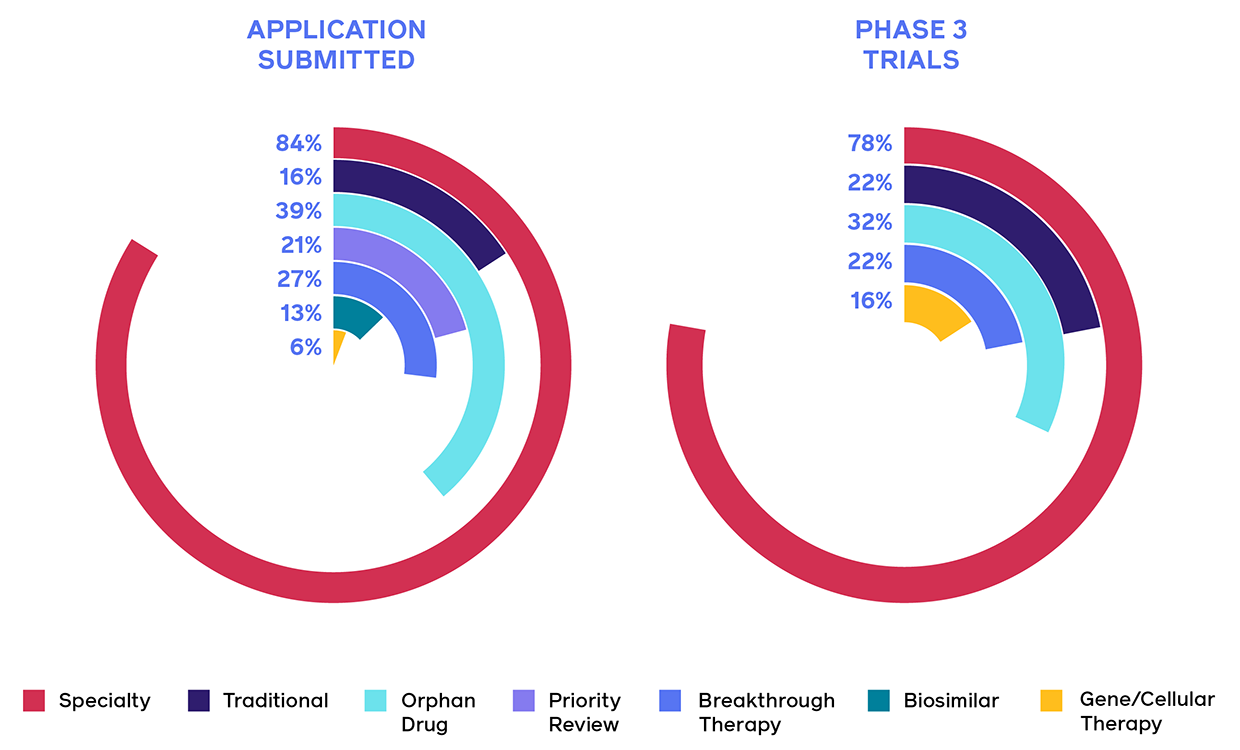
Specialty medications (84%) and orphan drugs (39%) continue to represent a substantial share of the pending FDA decisions among agents with submitted applications. Twelve agents are seeking Accelerated Approval.
The fourth quarter of 2026 may bring several notable regulatory decisions, including:
-
A new, once-weekly injectable GLP-1/amylin combination therapy for weight management
-
Three new cellular and gene therapies for recurrent respiratory papillomatosis, Duchenne muscular dystrophy and multiple myeloma
-
The first disease-modifying treatment for limb-girdle muscular dystrophy, a rare genetic disorder
-
Two new injectable therapies for myasthenia gravis, a chronic neuromuscular disease
-
New treatment options for non-small cell lung cancer and breast, hepatic, renal and thyroid cancers
-
The first factor VIIIa-mimetic bispecific antibody for hemophilia A, with or without inhibitors
-
The first biosimilars to secukinumab (Cosentyx) and vedolizumab (Entyvio)
We hope you find this report valuable!
Maryam Tabatabai
Associate Vice President, Clinical Information
Editorial team
Maryam Tabatabai, PharmD
Editor-in-ChiefAssociate Vice President, Clinical Information
Carole Kerzic, RPh
Executive Editor
Drug Information Pharmacist Principal
Nicole Kjesbo, PharmD, BCPS
Executive Editor
Clinical Program Development Director Senior
Samantha Decker, PharmD
Medical Pharmacy Clinical Pharmacist
Andrea Henry, PharmD, MBA, BCPS
Drug Information Pharmacist Principal
Danny Melson
Data Scientist Principal
Katie Owen, PharmD, BCOP
Clinical Program Pharmacist Principal
Olivia Pane, PharmD, CDCES
Drug Information Pharmacist
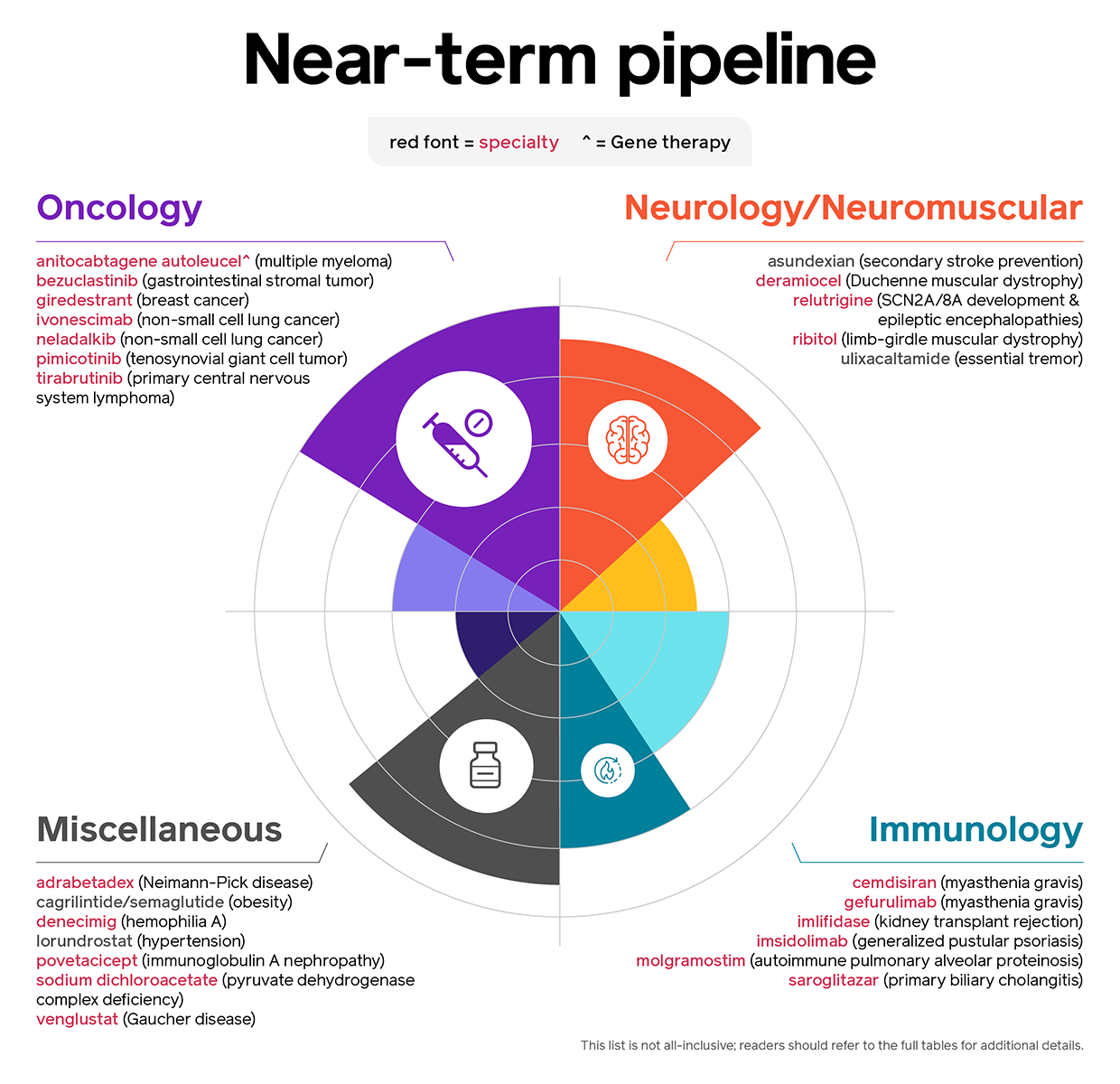
Near-term pipeline
Specialty drug names appear in red throughout the publication.
Deep dive
aroxybutynin/atomoxetine (AD109) oral
Proposed indications
Treatment of adults with obstructive sleep apnea (OSA)
Clinical overview
Mechanism of action
AD109 is a neuromuscular modulator that combines aroxybutynin, an antimuscarinic, with atomoxetine, a selective norepinephrine reuptake inhibitor. The combination is intended to increase upper-airway muscle tone during sleep.
Clinical trial(s)
The 26-week, randomized, double-blind, placebo-controlled Phase 3 SynAIRgy trial (NCT05813275) evaluated AD109 in 646 adults with mild, moderate or severe OSA who were unable or unwilling to use positive airway pressure (PAP) therapy. At baseline, median age was 58 years, median body mass index (BMI) was 32.4 kg/m² and median apnea-hypopnea index (AHI) using the 4% desaturation criterion was 19.6 events/hour. The AHI is the number of apneas or hypopneas recorded via polysomnography per hour of sleep. Following a one-week run-in period, patients received AD109 or placebo during weeks 2–26. SynAIRgy met its primary endpoint, demonstrating a significant change in AHI from baseline to Week 26 with AD109 compared with placebo (-3.3 versus 0.7 events/hour; mean difference, -4 events/hour; P=0.001). This represents a 44.1% model-estimated AHI reduction with AD109 compared with 17.6% with placebo (P<0.0001). Improvements in AHI were seen as early as Week 4. AHI improvements were similar across subgroups, including sex, baseline OSA severity and BMI. Significant improvements over placebo in key secondary endpoints, such as oxygen desaturation index (ODI; P=0.001) and hypoxic burden (P<0.0001), were also observed with AD109. Notably, the proportion of patients with a reduction in AHI ≥50% at Week 26 was not statistically significant between the treatment arms (difference, 5.7; P=0.182) based on data that classified patients who discontinued treatment as nonresponders; however, treatment difference was significant (21.7; P<0.0001) at Week 4. Moreover, significantly more AD109-treated patients achieved complete OSA disease control (AHI <5) at Week 26 versus those who received placebo (17.6% versus 9.3%; P=0.012). The most common treatment-emergent adverse events reported with AD109 (≥10% and greater than placebo) were dry mouth, insomnia and nausea. Overall, 21.2% of patients in the AD109 group and 3.1% in the placebo group discontinued therapy due to adverse events.
The 51-week, Phase 3 LunAIRo trial (NCT05811247) was similar in design to SynAIRgy and enrolled 660 adults with mild, moderate or severe OSA who were unable or unwilling to use PAP therapy. Top-line results reported that the study met its primary endpoint, demonstrating a mean change in AHI from baseline to Week 26 of -46.8% with AD109 compared with -6.8% with placebo (P<0.001), which was durable through Week 51 (P<0.001). The safety profile was consistent with the SynAIRgy trial.
In the SynAIRgy and LunAIRo trials, patients received AD109 as a fixed-dose combination containing aroxybutynin 2.5 mg and atomoxetine 75 mg orally once daily at bedtime.
Place in therapy
OSA is a chronic breathing disorder that occurs when muscles relax during sleep, causing soft tissue in the back of the throat to collapse and block the upper airway. This results in recurrent partial reductions (hypopneas) and complete pauses (apneas) in breathing that last at least 10 seconds and may persist for several minutes. OSA is associated with decreased oxygen saturation and interrupted sleep. It affects nearly 30 million Americans and occurs more often in men (24%) than women (9%). It is estimated that 80% of cases remain undiagnosed. If left untreated, OSA can lead to daytime sleepiness and impaired functioning, as well as serious health consequences like cardiovascular disease, stroke, diabetes and depression. Risk factors for OSA include overweight and obesity, large neck size, older age, abnormalities of the bony and soft tissue structures of the head and neck, family history of OSA, certain endocrine disorders (hypothyroidism), smoking and nocturnal nasal congestion.
Treatment for OSA is individualized according to disease severity, symptoms, comorbidities, anatomy and patient preference. The American Academy of Sleep Medicine guidance recommends PAP therapy for adults with excessive daytime sleepiness, impaired sleep-related quality of life or comorbid hypertension. Custom, titratable oral appliances are recommended alternatives for patients who are intolerant of PAP or prefer another option. Additional approaches include weight management, sleep positional therapy, and upper-airway surgery or stimulation. The injectable glucagon-like peptide-1 (GLP-1) receptor agonist tirzepatide (Zepbound) is FDA-approved for adults with moderate-to-severe OSA and obesity (BMI ≥30 kg/m²).
If approved, AD109 would be the first oral pharmacologic therapy to target the neuromuscular mechanisms that contribute to upper-airway collapse and could offer a nondevice option for those unwilling or unable to use PAP, regardless of obesity status. In Phase 3 trials, AD109 demonstrated significant and durable improvement in AHI, as well as oxygenation and hypoxic burden, in adults with mild-to-severe OSA. Important considerations in patient selection and monitoring include the discontinuation rate (21% in SynAIRgy) and antimuscarinic/noradrenergic adverse effects.
FDA decision
Feb. 28, 2027
FDA designations: Fast Track
Financial forecast
| Year | Projected annual U.S. sales (in millions) |
|---|---|
| 2026 | $0 |
| 2027 | $75 |
| 2028 | $181 |
| 2029 | $335 |
| 2030 | $481 |
cagrilintide/semaglutide SC
Proposed indications
Obesity or overweight with at least one weight-related comorbid condition in adults
Clinical overview
Mechanism of actionCagrilintide/semaglutide (CagriSema) is a combination of cagrilintide, a long-acting amylin analog, and the glucagon-like peptide-1 (GLP-1) receptor agonist semaglutide.
Clinical trial(s)
The Phase 3a, double-blind, placebo-controlled and active-controlled REDEFINE 1 trial (NCT05567796) evaluated CagriSema in 3,417 adults without type 2 diabetes mellitus (T2DM) who had either overweight (body mass index [BMI] ≥27 kg/m²) and at least one weight-related coexisting condition, or obesity (BMI ≥30 kg/m²). Patients were randomized to once-weekly CagriSema 2.4 mg/2.4 mg (n=2,108), semaglutide 2.4 mg (n=302), cagrilintide 2.4 mg (n=302) or placebo (n=705), plus lifestyle intervention. At Week 68, the estimated mean change in body weight from baseline was -20.4% with CagriSema, -14.9% with semaglutide, -11.5% with cagrilintide and -3% with placebo (P<0.001 for CagriSema versus placebo). Gastrointestinal (GI) adverse events were reported in 79.6% of patients on CagriSema compared with 39.9% on placebo. Events were generally transient and mild-to-moderate in severity.
The Phase 3a, double-blind, placebo-controlled REDEFINE 2 trial (NCT05394519) evaluated CagriSema in 1,206 adults with overweight or obesity (BMI ≥27 kg/m²) and T2DM and a hemoglobin A1c (HbA1c) of 7%–10%. Patients were randomized to once-weekly CagriSema (n=904) or placebo (n=302), along with lifestyle intervention. At Week 68, the mean change in body weight from baseline was -13.7% with CagriSema and -3.4% with placebo (P<0.001). Compared with placebo, a greater proportion of CagriSema-treated patients achieved body weight reductions of ≥5% (89.7% versus 30.2%), ≥10% (74.1% versus 9.1%), ≥15% (51.6% versus 1.5%) and ≥20% (29.2% versus 0.2%). More patients also achieved an HbA1c ≤6.5% (80.7% versus 12.2%; all P<0.0001). GI adverse events were the most common side effects, occurring in 72.5% of patients receiving CagriSema versus 34.4% receiving placebo. Most were mild-to-moderate in severity and transient.
The open-label, Phase 3 REDEFINE 4 trial (NCT06131437) compared once-weekly CagriSema with once-weekly subcutaneous (SC) tirzepatide (Zepbound) 15 mg in adults with obesity (BMI ≥30 kg/m²) without T2DM (n=809). The trial did not achieve its primary endpoint of demonstrating noninferiority of CagriSema to tirzepatide for weight loss. The mean weight change from baseline was -20.2% with CagriSema and -23.6% with tirzepatide. CagriSema was well tolerated. The majority of adverse events were mild-to-moderate GI effects that decreased over time.
In clinical trials, weight loss varied in all patients that adhered to CagriSema treatment.
Dosage and administration
In clinical trials, CagriSema was administered as a once-weekly SC injection delivering a dose of 2.4 mg cagrilintide and 2.4 mg semaglutide.
Place in therapy
Obesity is a chronic condition associated with a significant increase in mortality and multiple health risks. According to 2017–2018 data from the National Health and Nutrition Examination Survey (NHANES), 30.7% of adults in the United States have overweight (BMI 25–30 kg/m²), 42.4% have obesity (BMI ≥30 kg/m²) and 9.2% have severe obesity (BMI ≥40 kg/m²).
Several medications are FDA-approved for weight management as adjuncts to lifestyle management (e.g., reduced-calorie diet, increased physical activity) in individuals with obesity or with overweight and weight-related comorbid conditions (e.g., T2DM, hypertension, dyslipidemia). Injectable GLP-1 agents for weight loss include semaglutide (Wegovy), tirzepatide (Zepbound; dual-action GLP-1/glucose-dependent insulinotropic polypeptide [GIP] agent) and liraglutide (Saxenda) and oral agents include orforglipron (Foundayo) and semaglutide (Wegovy). Indirect comparisons and meta-analyses have found injectable semaglutide and tirzepatide produce greater weight reduction compared with other FDA-approved agents.
If approved, CagriSema will be the second GLP-1-based medicine for weight loss with a dual mechanism of action and the first to target both GLP-1 and amylin. While CagriSema demonstrated superior weight reduction compared with placebo, a clinical trial failed to show that it was noninferior to tirzepatide. Novo Nordisk plans to initiate a study evaluating a higher dose of CagriSema (2.4 mg/7.2 mg) in the second half of 2026. CagriSema is also being studied for the treatment of T2DM, with submission anticipated in late 2027.
FDA decision
December 2026
FDA designations: Commissioner’s National Priority Voucher
Financial forecast
| Year | Projected annual U.S. sales (in millions) |
|---|---|
| 2026 | $0 |
| 2027 | $483 |
| 2028 | $994 |
| 2029 | $1,466 |
| 2030 | $1,920 |
ecopipam oral
Proposed indications
Tourette syndrome (TS) in pediatric patients
Clinical overview
Mechanism of actionEcopipam is an oral selective dopamine D1 receptor antagonist designed to reduce D1-mediated signaling in neural circuits implicated in tic expression.
Clinical trial(s)
The Phase 3, double-blind, placebo-controlled, randomized withdrawal D1AMOND study (NCT05615220) evaluated ecopipam in 216 patients ≥6 years of age with TS, including 167 pediatric patients. All participants received open-label ecopipam for 12 weeks, including a 3-to-4-week titration period. Responders, defined as patients with at least a 25% improvement in Yale Global Tic Severity Scale–Total Tic Score (YGTSS–TTS) at Weeks 8 and 12, were randomized 1:1 to continue ecopipam or taper to placebo for 12 weeks. The primary endpoint of median time from randomization to relapse was four weeks in the placebo group and was not estimable for ecopipam because more than 50% of participants maintained the response they achieved at Week 24. Among the pediatric responders (n=90), ecopipam significantly reduced the risk of relapse — defined as loss of at least 50% of the open-label YGTSS–TTS improvement — compared with placebo (68.1% versus 41.9%; hazard ratio [HR], 0.47; P=0.008). Among the total study population, including adults, the most common adverse events reported during ecopipam treatment were somnolence (11.1%), anxiety (9.7%), headache (9.7%), insomnia (8.8%), tic (7.9%) and fatigue (6.5%). Most adverse events were mild or moderate in severity. Treatment discontinuation due to adverse events occurred in 15.7% of patients in the ecopipam group. Ecopipam was not associated with clinically meaningful changes in metabolic measures — including body weight, lipids and hemoglobin A1c (HbA1c) — prolactin levels or drug-induced movement disorders.
Dosage and administration
In the D1AMOND study, ecopipam was administered orally once daily and titrated over 3–4 weeks to a target dose of 1.8 mg/kg/day.
Place in therapy
TS is a chronic, childhood-onset neurodevelopmental disorder characterized by multiple involuntary motor tics and at least one vocal tic persisting for more than one year. Based on a 2020 population-based analysis, TS affects approximately 350,000–450,000 children and adults in the United States and is reported about 4–5 times more often in males than females. Symptoms often begin between 2 and 15 years of age (average age, 6 years). The severity of tics peaks around 10–12 years of age and improves during adolescence and adulthood. Symptoms typically worsen with stress or fatigue and lessen with sleep and concentration on a pleasing task. Data suggest that one-third of tic symptoms resolve completely. Comorbid conditions often found with TS include attention-deficit/hyperactivity disorder (ADHD; 30%–50% of cases) and obsessive-compulsive disorder (OCD; 10%–50% of cases), as well as anxiety, behavior and mood disorders.
The main goal of treatment is to reduce the frequency of tics to improve function and quality of life. Watchful waiting is appropriate for mild tics that do not cause functional impairment. Behavioral therapy, including comprehensive behavioral intervention for tics (CBIT), is recommended for severe tics that cause distress or functional impairment. Pharmacotherapy may be added for persistent tics, including first- and second-generation antipsychotics (haloperidol, pimozide [Orap], aripiprazole [Abilify, Opipza], risperidone [Risperdal; off-label use]). Off-label use of a vesicular monoamine transporter type 2 (VMAT2) inhibitor (tetrabenazine [Xenazine], deutetrabenazine [Austedo], valbenazine [Ingrezza]) may also be considered for refractory cases, and alpha-2 adrenergic agonists (clonidine, guanfacine) are reasonable options when ADHD is also present. In addition, off-label onabotulinumtoxinA (Botox) injections or topiramate may be considered in select patients, and deep brain stimulation may be considered for severe refractory tics. It is important to note that some agents listed above are associated with adverse effects — including extrapyramidal, hormonal and metabolic events, hypotension, bradycardia and sedation — that may require monitoring.
If approved, ecopipam would be the first selective dopamine D1 receptor antagonist offering an alternative mechanism to the currently approved dopamine D2 receptor modulating agents — including aripiprazole, haloperidol and pimozide — for treating TS in pediatric patients. In the D1AMOND clinical trial, ecopipam resulted in a significant decrease in the risk of tic-symptom relapse in pediatric responders with TS. Unlike the D2-targeting therapies, ecopipam is associated with minimal weight gain and low rates of extrapyramidal symptoms (EPS).
FDA decision
Q1 2027
FDA designations: Fast Track, Orphan Drug, Priority Review
Financial forecast
| Year | Projected annual U.S. sales (in millions) |
|---|---|
| 2026 | $0 |
| 2027 | $7 |
| 2028 | $37 |
| 2029 | $66 |
| 2030 | $95 |
psilocybin (COMP360) oral
Proposed indications
Treatment of adults with treatment-resistant depression (TRD)
Clinical overview
Mechanism of action
COMP360 is a synthetic formulation of psilocybin, a prodrug of psilocin, that acts as a serotonin (5-HT)-2A receptor agonist to improve depressive symptoms.
Clinical trial(s)
The Phase 3, United States (U.S.)-based COMP005 trial (NCT05624268) enrolled 258 adults with TRD, defined as depression that fails to respond to an adequate dose and duration of 2–4 different pharmacological treatments for the current episode. Depression was moderate-to-severe in nature, with a Montgomery-Åsberg Depression Rating Scale (MADRS) score of ≥20. Participants were randomized 2:1 to a single 25 mg dose of COMP360 or placebo, each administered with psychological support. The study consisted of a 6-week, double-blind, placebo-controlled period (Part A), followed by a 20-week, double-blind period during which eligible participants could receive an additional second dose of their originally assigned treatment (Part B). Eligible participants from either arm could then enter a 26-week, open-label extension period and receive a single dose of COMP360. At Week 6, COMP360 significantly improved depressive symptoms compared with placebo, with a between-group difference of -3.6 points from baseline in the MADRS score (primary endpoint; P<0.001). Benefit was observed as early as one day after treatment. Notably, 25% of COMP360-treated patients achieved at least a 25% reduction in the MADRS score, with responses sustained through Week 26 (Part B), following one or two doses. Among patients who experienced symptom improvement but had not achieved remission (≤12 MADRS total score and no single item score ≥4) by Week 6, more than 40% achieved remission after a second dose of COMP360. Approximately 70% of participants entered Part C. Among those initially assigned to COMP360, about 80% received an additional dose (2–3 total doses) and achieved a mean 13-point reduction in MADRS score from baseline to Week 52. About 90% of patients originally assigned to placebo received a single dose of COMP360 in Part C and experienced a mean 10-point MADRS reduction from baseline to Week 52.
The ongoing Phase 3, international COMP006 trial (NCT05711940) enrolled 581 adults with TRD, as defined in the COMP005 trial. Enrolled patients had current depressive episodes lasting an average of >3 years and an average of >6 lifetime depressive episodes. Patients were randomized 2:1:1 to receive two doses — taken three weeks apart — of COMP360 25 mg, 10 mg or 1 mg, each with psychological support. The study includes a 9-week blinded treatment period (Part A), a blinded extension period through Week 26 (Part B) and an open-label treatment period through Week 52 (Part C). The 25 mg dose significantly improved depressive symptoms compared with the 1 mg dose, with a mean difference in the MADRS score of -3.8 points (primary endpoint; P<0.001). Following two fixed doses, 39% of patients receiving 25 mg achieved at least a 25% reduction in the MADRS score by Week 6 (Part A), with benefit maintained through at least Week 26 (Part B). In Part C, the 25 mg dose was associated with response rates of 40%–45% and a nearly 30% remission rate. The COMP006 trial is anticipated to be completed in December 2026.
Across both trials, most treatment-emergent adverse events (TEAEs) occurred on the day of treatment and were transient, lasting for about 24 hours. TEAEs include nausea, headache, anxiety and visual hallucinations. The incidence of serious adverse events reported with COMP360 25 mg was 5% and 2% in the COMP005 and COMP006 trials, respectively. The rate of suicidal ideation was <1%. One event of suicidal behavior occurred in the COMP006 trial, in a patient who received COMP360 1 mg.
A multisite, randomized, quadruple-blinded, Phase 3 trial (NCT07226232) is underway to assess the safety and efficacy of COMP360 for the treatment of TRD, with and without post-traumatic stress disorder (PTSD), among U.S. military veterans. The primary study completion is estimated to occur in December 2030.
In the clinical trials, COMP360 was administered orally in a controlled clinical setting under healthcare professional supervision, with trained personnel providing psychological support and monitoring throughout the acute psychoactive period.
Place in therapy
An estimated 15.5% of adults in the United States experience major depressive disorder (MDD). Initial treatment includes selective serotonin reuptake inhibitors (SSRIs), serotonin-norepinephrine reuptake inhibitors (SNRIs), mirtazapine, bupropion and cognitive behavioral therapy (CBT).
TRD is defined as the failure to achieve an adequate response after trials with at least two antidepressant medicines at optimal dose and adequate duration (4–6 weeks). It is estimated to occur in 30%–50% of people with depression and is associated with functional impairment, relapse, suicidality and substantial healthcare burden. Augmentation with a second-generation antipsychotic is recommended, particularly in patients who also experience anxiety symptoms. Nonpharmacologic modalities, such as electroconvulsive therapy (ECT) and repetitive transcranial magnetic stimulation (TMS), may also be considered for TRD.
Psychedelic agents for TRD, such as FDA-approved intranasal esketamine (Spravato) and off-label intravenous (IV) ketamine, have generated interest due to their relatively rapid onset of antidepressant effects. Both are typically initiated as twice-weekly doses for four weeks, administered under healthcare provider supervision. Psilocybin is a tryptamine alkaloid found in several species of psychoactive mushrooms under investigation for various psychiatric disorders. If approved, COMP360 could provide a new option for treating TRD. In Phase 3 trials, COMP360 25 mg resulted in significant improvement in depressive symptoms as early as one day after the treatment session and lasted for six weeks or more after a single dose. Some patients achieved remission following repeat dosing.
Psilocybin is currently classified as a U.S. Drug Enforcement Administration (DEA) Schedule I controlled substance, indicating it has no currently accepted medical use and a high potential for abuse and psychological and/or physical dependence. Uptake of psilocybin-assisted therapy will likely depend on many factors, including the labeled treatment model, monitoring requirements, treatment-site capacity, trained therapists, appropriate patient selection and DEA scheduling.
Usona Institute has reported positive results from its Phase 3 trial (uAspire) of psilocybin (PSIL201) with psychosocial support in adults with MDD. The company has been awarded a Commissioner’s National Priority Voucher for PSIL201 but has not announced its plan for FDA submission. NRx Pharmaceuticals announced a rolling submission for its preservative-free IV ketamine, NRX-100, to include an indication for suicidal ideation in MDD.
Investigational psychedelics are also in late-stage development for PTSD. This includes a Phase 2/3 trial for COMP360 and New Drug Application (NDA) resubmission by Resilient Pharmaceuticals for midomafetamine (MDMA)-assisted therapy.
FDA decision
Compass Pathways is expected to complete the NDA for COMP360 for TRD in Q4 2026. The FDA’s Commissioner’s National Priority Voucher pilot program is intended to shorten FDA review to approximately 1–2 months.
FDA designations: Breakthrough Therapy, Commissioner’s National Priority Voucher
Financial forecast
| Year | Projected annual U.S. sales (in millions) |
|---|---|
| 2026 | $0 |
| 2027 | $32 |
| 2028 | $161 |
| 2029 | $320 |
| 2030 | $536 |
sonpiretigene isteparvovec (MCO-010) intravitreal
Proposed indications
Retinitis pigmentosa (RP) with severe vision loss
Clinical overview
Mechanism of actionMCO-010 is a gene-agnostic, optogenetic therapy that uses an adeno-associated virus vector to deliver a gene encoding a synthetic, broadband light-sensitive protein (opsin) to surviving retinal bipolar cells. The presence of opsin is intended to make these inner retinal neurons responsive to ambient light and enable the remaining retinal circuitry to restore visual function despite advanced photoreceptor loss.
Clinical trial(s)
The double-masked, sham-controlled, Phase 2b/3 RESTORE trial (NCT04945772) evaluated MCO-010 in 27 adults with advanced RP and profound bilateral vision loss. Patients were randomized to one of two doses of MCO-010 or sham therapy. Eligible patients had a best-corrected visual acuity (BCVA) worse than 1.9 logMAR (logarithm of minimum angle of resolution; Snellen equivalent 20/1600, defined as a patient seeing at 20 feet what a person with normal vision sees at 1,600 feet) in the study eye and no better than 1.6 logMAR (Snellen equivalent 20/800, defined as a patient seeing at 20 feet what a person with normal vision sees at 800 feet) in the fellow eye during screening. At Week 52, the primary endpoint of change from baseline in BCVA favored high-dose MCO-010 compared with sham (0.337 versus 0.05 logMAR improvement, respectively; P=0.021), corresponding to approximately a three-line improvement on the Early Treatment Diabetic Retinopathy Study (ETDRS) visual acuity chart. After Week 100, patients who received MCO-010 were eligible to enter the long-term REMAIN follow-up trial (NCT06162585). Interim data showed durable BCVA improvements through Week 152, with mean gains of 0.264 logMAR within the high-dose group (n=9). MCO-010 was generally well-tolerated, with no treatment-related serious adverse events reported. The most common treatment-related adverse events reported in the high-dose MCO-010 and sham groups were anterior chamber cells (33.3% and 22.2%, respectively) and ocular hypertension (44.4% and 11.1%, respectively), which were typically mild or moderate and managed with short-term topical therapy. One patient who received MCO-010 developed vitritis, which required ongoing treatment with a topical corticosteroid.
Dosage and administration
In the RESTORE trial, MCO-010 was administered via a one-time, in-office, intravitreal injection into the study eye. While two doses were evaluated, Nanoscope Therapeutics plans to commercialize only the 1.2 × 10¹¹ genome copies (gc)/eye dose (high dose).
Place in therapy
RP is a group of rare, inherited vision disorders that cause progressive deterioration of the retina. The condition is characterized by the progressive degeneration and dysfunction of the retinal rod and cone photoreceptor cells, which are responsible for converting light into electrical signals that the brain interprets as vision. Approximately 80 genes have been implicated in RP. Patients with RP typically experience night blindness, peripheral vision loss and, eventually, central vision loss. RP occurs in approximately 1 in 3,500–4,000 people in the United States, representing an estimated 80,000–110,000 people. Approximately 12% of those affected will develop advanced RP with severe vision loss. Loss of peripheral vision typically presents between 10 and 40 years of age.
There is currently no cure for RP. Management is supportive and includes low-vision rehabilitation, mobility training, visual aids and treatment of complications (cataracts, macular edema). Spark Therapeutics’ voretigene neparvovec-rzyl (Luxturna) gene therapy was FDA-approved in 2017 and is the only pharmacologic treatment available for patients with confirmed biallelic RPE65 mutation-associated retinal dystrophy and viable retinal cells. Notably, up to 6% of RP cases carry the RPE65 mutation. In clinical trials, it produced a statistically significant improvement in visual mobility, as measured by the bilateral Multi-Luminance Mobility Test (MLMT) score, with improved functional vision seen 30 days after dose administration and maintained during the one-year study. Luxturna is intended as a one-time, subretinal injection into each eye (on different days ≥6 days apart). It is not recommended for use in children under 12 months of age because retinal cells are still proliferating, and the Luxturna dose could be lost or diluted.
If approved, MCO-010 would be the first mutation-agnostic pharmacotherapy shown to improve vision in adults with advanced RP and severe vision loss in a randomized, controlled clinical trial. Unlike Luxturna, MCO-010 is administered via intravitreal injection and could be given in an office setting rather than a surgical suite.
Single-dose MCO-010 is also being evaluated for Stargardt disease. The Phase 2 STARLIGHT trial was completed in 2023, and the follow-up observational SUSTAIN study is expected to be completed by mid-2027. Nanoscope plans to initiate a Phase 3 registrational trial in 2026.
Other gene therapies in late-stage development for RP include:
-
OCU400, by Ocugen, a modifier gene therapy for the treatment of early-to-advanced RP. It’s expected to be submitted to the FDA by Q2 2027, following a readout of top-line results from the Phase 3 liMeliGhT trial. In the trial, patients received a sequential, bilateral, subretinal injection of OCU400 if both eyes met certain inclusion criteria.
-
Botaretigene sparoparvovec (bota-vec or AAV5-RPGR), by MeiraGTx, a bilateral, one-time gene therapy for X-linked RP that’s designed to deliver a functional copy of the RPGR gene to the retina. While the Phase 3 LUMEOS trial did not meet its primary endpoint of visual mobility assessment (VMA), it did show an improvement in retinal sensitivity across secondary measures, including gains of visual acuity in low-light conditions in patients treated with bota-vec. MeiraGTx plans to submit an FDA application with a potential commercial launch in 2027, if approved.
-
Laruparetigene zovaparvovec (laru-zova or AGTC-501), by Beacon Therapeutics, which is designed to deliver a functional copy of the RPGRORF15 gene to restore the natural function of both rods and cones in patients with X-linked RP. Beacon Therapeutics reported positive top-line results from the Phase 3 VISTA trial with administration of one subretinal dose of laru-zova into a single eye.
FDA decision
H1 2027
FDA designations: Fast Track, Orphan Drug
Financial forecast
The financial forecast for MCO-010 is not currently available.
tinlarebant oral
Manufacturer: Belite Bio
Proposed indications
Stargardt disease type 1 (STGD1)
Clinical overview
Mechanism of action
Tinlarebant is a retinol-binding protein 4 (RBP4) antagonist designed to reduce retinol (vitamin A) delivery to the eye, thereby decreasing the formation of toxic retinol-derived byproducts (bisretinoids) that contribute to retinal damage and vision loss.
Clinical trial(s)
The randomized, double-masked, placebo-controlled, Phase 3 DRAGON trial evaluated tinlarebant in 104 patients 12–20 years of age with STGD1. Eligible patients had at least one adenosine triphosphate (ATP)-binding cassette subfamily A member (ABCA4) gene mutation; an atrophic lesion size within three disc areas (7.62 mm²); and a best-corrected visual acuity (BCVA) of 20/200 or better. Tinlarebant met its primary efficacy endpoint, demonstrating a statistically significant 35.7% reduction in the growth rate of atrophic retinal lesions compared with placebo (P=0.0033), measured as definitely decreased autofluorescence (DDAF) by fundus autofluorescence imaging in the study eye through 24 months. A statistically significant 33.6% (P=0.041) reduction in DDAF growth rate was seen in the fellow eye. DDAF lesion growth rates were slowed to 0.38 mm²/year with tinlarebant compared with 0.59 mm²/year with placebo and 0.74 mm²/year in the natural history ProgStar study. BCVA remained largely unchanged over 24 months in both the tinlarebant and placebo groups and was in line with the ProgStar study. Tinlarebant stabilized quantitative autofluorescence, a marker of toxic bisretinoid accumulation, with levels remaining stable or decreasing slightly (~2%) over 24 months compared with an approximately 20% increase with placebo. In addition, RBP4 levels were reduced by a mean of about 80% relative to baseline in the tinlarebant group and returned to 84% of the baseline value 1–3 months after stopping the drug. About 20.3% of patients who received tinlarebant experienced a drug-related adverse event, none of which were considered serious or led to study discontinuation. The most common ocular adverse events reported were xanthopsia (yellow-tinted vision), delayed dark adaptation and night-vision impairment; most were mild and resolved during the study.
Dosage and administration
In the DRAGON trial, patients received tinlarebant 5 mg orally once daily for up to 24 months.
Place in therapy
STGD1 is a rare, inherited retinal disease characterized by bilateral, progressive and irreversible central vision loss. The condition is caused by mutations in the ABCA4 gene, which encodes the ABCA4 transporter protein responsible for clearing toxic vitamin A-derived retinoid byproducts (bisretinoids) from retinal photoreceptor cells. Impaired ABCA4 function leads to the accumulation of toxic bisretinoids within retinal cells, contributing to retinal degeneration and vision loss. STGD1 is typically diagnosed in childhood or early adulthood. The estimated prevalence ranges from 1 in 6,500 to 1 in 10,000 individuals.
There are no FDA-approved medications for the treatment of STGD1. Current management is primarily aimed at preserving functional vision with low-vision rehabilitation, visual aids (e.g., magnifiers, large-print materials) and light protection. If tinlarebant is approved, it would address a significant unmet need in patients with STGD1.
Several therapies for Stargardt disease are advancing in late-stage development. Ocugen’s gene therapy, OCU410ST, is currently in Phase 3 clinical development, with a planned FDA submission in mid-2027. Nanoscope Therapeutics has announced plans to initiate a Phase 3 trial in 2026 evaluating its optogenic therapy, sonpiretigine isteparvovec, for Stargardt disease. Additionally, Alkeus Pharmaceuticals has initiated a Phase 3 trial for gildeuretinol, an oral therapy designed to reduce the formation of toxic vitamin A dimers associated with Stargardt disease.
Tinlarebant is also in Phase 3 development for geographic atrophy, an advanced form of dry age-related macular degeneration, which also involves accumulation of vitamin A-based toxins.
FDA decision
FDA designations: Breakthrough Therapy, Fast Track, Orphan Drug, Priority Review, Rare Pediatric Disease
Financial forecast
| Year | Projected annual U.S. sales (in millions) |
|---|---|
| 2026 | $0 |
| 2027 | $215 |
| 2028 | $419 |
| 2029 | $670 |
| 2030 | $911 |
tirabrutinib oral
Proposed indications
Relapsed or refractory (R/R) primary central nervous system lymphoma (PCNSL)
Clinical overview
Mechanism of actionTirabrutinib is a highly potent and selective, irreversible, second-generation Bruton tyrosine kinase (BTK) inhibitor. It inhibits B-cell receptor (BCR) signaling — a key factor in the proliferation, activation, survival and differentiation of B cells — and thereby suppresses malignant B-cell proliferation.
Clinical trial(s)
The open-label, two-part, Phase 2 PROSPECT trial (NCT04947319) evaluated tirabrutinib monotherapy in 48 adults with R/R PCNSL (Part A). Patients included in Part A had an Eastern Cooperative Oncology Group (ECOG) performance status of two or less, a measurable brain lesion larger than 1 cm in diameter, at least one prior line of high-dose methotrexate (HD-MTX)-based therapy and a life expectancy of at least three months. Patients were excluded if they had intraocular PCNSL without a brain lesion, non-B-cell PCNSL, systemic lymphoma involvement or prior treatment with a BTK inhibitor. Top-line results at a median follow-up of 11.5 months showed that the primary endpoint of overall response rate (ORR) was 66.7%, with a complete response rate of 43.8%. The median duration of response (DOR) was 9.3 months, with a median progression-free survival (PFS) of six months, and a median time-to-response of 0.95 months (range, 0.9–3.7 months), whereas the median overall survival (OS) was not reached. Common treatment-emergent adverse effects (TEAEs) reported (incidence ≥15%) included falls, fatigue, anemia, lymphopenia, headache and diarrhea. Cardiac events occurred in fewer than 10% of patients and were limited to grade 1 or grade 2 severity. Grade ≥3 TEAEs occurred in 56.3% of patients who received tirabrutinib, with decreased neutrophil count (8%) and maculopapular rash (6%) reported most frequently.
The open-label, randomized, Phase 3 IGNITE trial currently underway is comparing tirabrutinib to rituximab plus temozolomide (Temodar) in patients previously treated with HD-MTX-based therapy. The study’s primary endpoint is PFS, and it is designed to serve as the confirmatory trial.
Dosage and administration
In the PROSPECT clinical trial, tirabrutinib was taken orally as monotherapy at 480 mg daily until disease progression or unacceptable toxicity.
Place in therapy
PCNSL is a rare and aggressive extranodal form of non-Hodgkin lymphoma. PCNSL arises exclusively within the brain parenchyma, spinal cord, eyes or leptomeninges, without evidence of systemic disease. Diagnosis is often challenging and delayed, and patients with R/R PCNSL face especially poor outcomes and limited treatment options. The clinical presentation of PCNSL varies according to the neuroanatomical location of the lesion and may include cranial neuropathy, neuropsychiatric changes, signs of increased intracranial pressure, seizures, ocular symptoms, headaches, dysmotility and radiculopathy. In the United States, PCNSL has an estimated annual incidence of five cases per 1,000,000 people (about 1,500 people are diagnosed each year), with higher rates reported among immunocompromised adults 65 years of age and older. PCNSL accounts for 4%–6% of all non-Hodgkin lymphomas.
No therapies are specifically approved for PCNSL in the United States. HD-MTX-based combination regimens are guideline-recommended as preferred induction treatment, typically followed by consolidation with high-dose chemotherapy (e.g., thiotepa, etoposide, cytarabine) and autologous stem-cell rescue. Monthly HD-MTX with leucovorin — with or without rituximab, rituximab alone, or temozolomide — may be used as a maintenance treatment in select circumstances. Despite advances in induction therapy, approximately 20%–30% of patients do not respond to initial treatment, and up to 60% ultimately relapse. PCNSL carries a poor prognosis, with an estimated five-year survival rate of 30%. According to treatment guidelines, R/R disease may be treated with HD-MTX rechallenge, ibrutinib-based therapy, pemetrexed, temozolomide, lenalidomide, pomalidomide, rituximab, HD cytarabine or the CAR-T therapy axicabtagene ciloleucel (Yescarta).
If approved, tirabrutinib will be the first BTK-inhibitor therapy indicated specifically for PCNSL. It will provide a new outpatient treatment option, with the potential to address an unmet medical need and offer an oral targeted alternative to cytotoxic chemotherapy in the salvage setting.
Part B of the PROSPECT trial is evaluating tirabrutinib as first-line therapy for newly diagnosed, treatment-naïve PCNSL, in combination with one of two different HD-MTX-based therapies: MTX plus temozolomide/rituximab or MTX plus rituximab/procarbazine/vincristine.
FDA decision
Dec. 18, 2026
FDA designations: Orphan Drug, seeking Accelerated Approval
Financial forecast
| Year | Projected annual U.S. sales (in millions) |
|---|---|
| 2026 | $4 |
| 2027 | $7 |
| 2028 | $11 |
| 2029 | $17 |
| 2030 | $22 |
ulixacaltamide oral
Manufacturer: Praxis Precision Medicines
Proposed indications
Essential tremor (ET)
Clinical overview
Mechanism of action
Ulixacaltamide is a differentiated and highly selective T-type calcium-channel blocker designed to block abnormal neuronal burst firing in the cerebello-thalamo-cortical (CTC) circuit correlated with tremor activity.
Clinical trials
ESSENTIAL3 (NCT06087276) is a Phase 3, decentralized, multistudy, clinical development program evaluating ulixacaltamide for the treatment of ET. The program consists of two concurrent pivotal studies and one long-term safety study conducted in patients who have lived with ET for an average of roughly 30 years and experienced worsening symptoms. At screening, patients were on a stable dose of no more than one standard ET medicine. Study 1 is a double-blind, placebo-controlled, parallel-design study that randomized 473 patients 1:1 to ulixacaltamide or placebo for 12 weeks. Top-line results showed that ulixacaltamide met the primary endpoint, producing a statistically significant greater improvement in the Modified Activities of Daily Living 11 (mADL-11) score at Week 8 compared with placebo (mean change, -4.3 versus -1.7 points, respectively; P<0.0001). Study 2 is a randomized withdrawal study in which 238 patients received ulixacaltamide for eight weeks. Patients who achieved a response (n=80), defined as a ≥3-point improvement from baseline in mADL-11, were randomized 1:1 to switch to placebo or to continue ulixacaltamide for an additional four weeks. Top-line data showed that 55% of patients who continued ulixacaltamide maintained response compared with 33% in those who were switched to placebo (P=0.0369; odds ratio [OR], 2.7). Ulixacaltamide was generally well tolerated. Study 3 is an ongoing, long-term safety study in up to 1,000 patients. The ESSENTIAL3 program is anticipated to be completed in July 2028.
Dosage and administration
In clinical trials, ulixacaltamide 60 mg was administered orally once daily.
Place in therapy
ET is one of the most common movement disorders. It is characterized by action tremor in the hands and arms, without other neurological signs, and may also affect the head and lower limbs. Unlike Parkinson's disease, which typically presents as a unilateral resting tremor and unilateral action tremor associated with bradykinesia (slowness in movement) and rigidity, ET appears primarily as a bilateral action tremor occurring during voluntary movement. ET tends to progress slowly over time and can lead to significant impairment of ADLs, including eating, writing, typing, shaving and dressing. The condition affects an estimated 1% of the global population and approximately 5% of adults over 60 years of age. Family history is reported in about 50%–70% of cases, with familial forms often presenting earlier in life, sometimes as early as adolescence.
Though the exact cause of ET is unknown, research suggests it may involve mild degeneration of the cerebellum, an area of the brain that controls movement coordination. Propranolol (FDA-approved) and primidone (off-label) have shown efficacy in treating ET; however, about 30%–50% of patients may not respond to these agents. Off-label use of other agents — such as select beta blockers, gabapentin, topiramate, nimodipine, alprazolam and clonazepam — may also be helpful. Botulinum toxin type A injections for limb, head and voice tremor may be considered in medically refractory cases. Evidence also suggests that two types of brain surgery — deep brain stimulation and unilateral thalamotomy — may improve ET that is disabling or resistant to drug therapy.
If approved, ulixacaltamide would provide a new option for treating ET, particularly in patients who have an inadequate response to, cannot tolerate or have contraindications to current standard pharmacotherapies.
FDA decision
FDA designations: Breakthrough Therapy
Financial forecast
| Year | Projected annual U.S. sales (in millions) |
|---|---|
| 2026 | $0 |
| 2027 | $186 |
| 2028 | $628 |
| 2029 | $1,356 |
| 2030 | $2,039 |
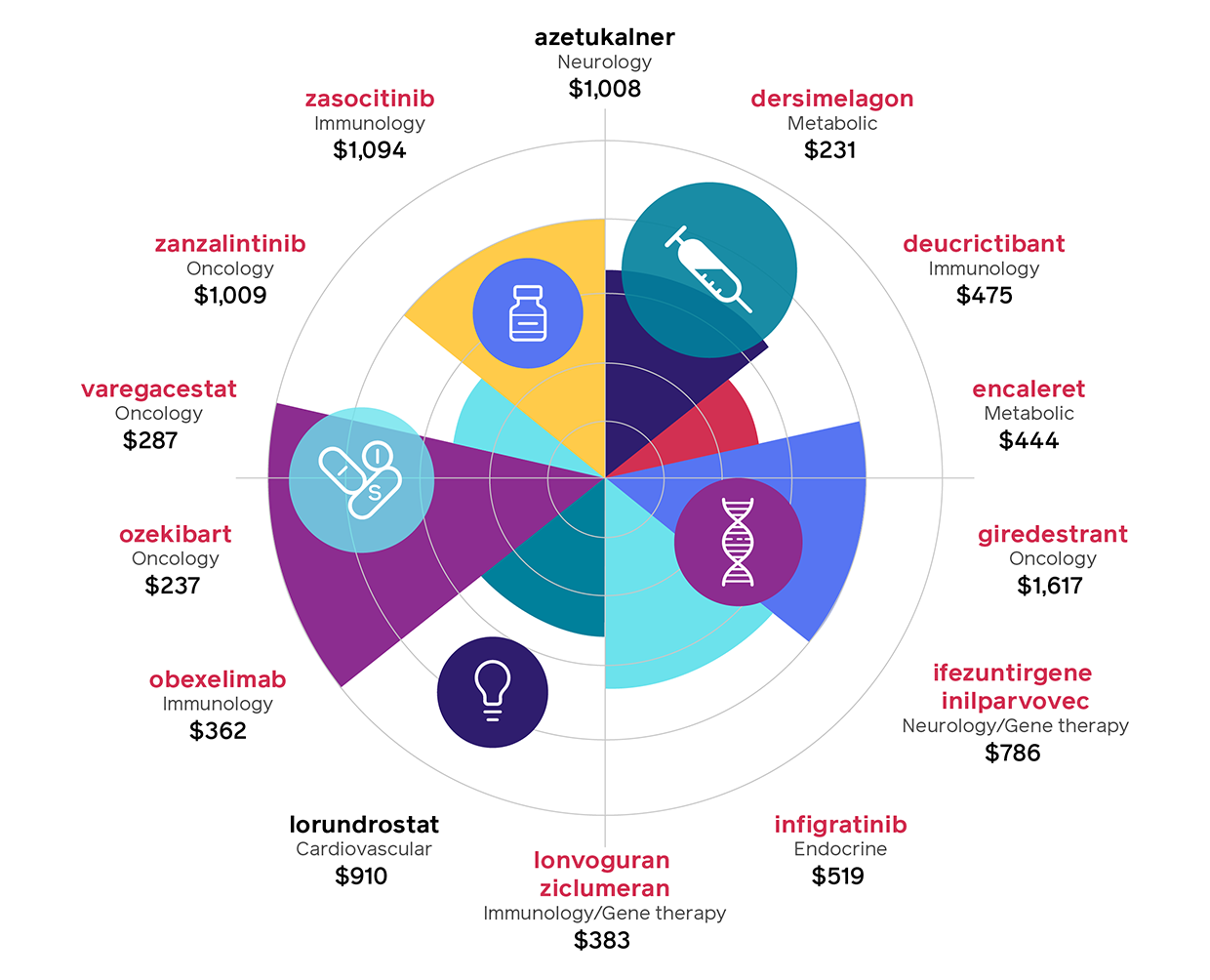
Keep on your radar
Configure the table properties
Drug list
Gene and cellular therapies
Configure the table properties
Configure the table properties
Biosimilars
Configure the table properties
None
Specialty
Configure the table properties
Configure the table properties
Configure the table properties
Configure the table properties
Traditional
Configure the table properties
Configure the table properties
Configure the table properties
Configure the table properties
Configure the table properties
AA Accelerated Approval
AChR acetylcholine receptor
ADHD attention-deficit/hyperactivity disorder
ALK anaplastic lymphoma kinase
ALK+ anaplastic lymphoma kinase-positive
ALL acute lymphoblastic leukemia
ALS amyotrophic lateral sclerosis
AMD age-related macular degeneration
AML acute myeloid leukemia
AS ankylosing spondylitis
ASCVD atherosclerotic cardiovascular disease
BCG Bacillus Calmette-Guérin
BCMA B-cell maturation antigen
BCVA best-corrected visual acuity
BLA Biologics License Application
BMI body mass index
BMT bone marrow transplant
BT Breakthrough Therapy
BTC biliary tract cancer
BTK Bruton's tyrosine kinase
CAR T chimeric antigen receptor T cell
CD Crohn's disease
CD3 cluster of differentiation 3
CD19 cluster of differentiation 19
CD20 cluster of differentiation 20
CD34 cluster of differentiation 34
CD38 cluster of differentiation 38
CD52 cluster of differentiation 52
CD79b cluster of differentiation 79b
CDK4/6 cyclin-dependent kinase 4/6
CF cystic fibrosis
cHL classical Hodgkin lymphoma
CIS carcinoma in situ
CKD chronic kidney disease
CLDN18.2+ claudin-18.2-positive
CLL chronic lymphocytic leukemia
CML chronic myeloid leukemia
CNPV Commissioner's National Priority Voucher
CNS central nervous system
COPD chronic obstructive pulmonary disease
COVID-19 coronavirus disease 2019
CRC colorectal cancer
CRL Complete Response Letter
CRSwNP chronic rhinosinusitis with nasal polyps
cSCC cutaneous squamous cell carcinoma
CSU chronic spontaneous urticaria
ctDNA circulating tumor DNA
CTLA-4 cytotoxic T-lymphocyte-associated protein 4
CV cardiovascular
CVD cardiovascular disease
DCR disease control rate
DEA Drug Enforcement Administration
DED dry eye disease
DLBCL diffuse large B-cell lymphoma
DMD Duchenne muscular dystrophy
DME diabetic macular edema
dMMR DNA mismatch repair
DOR duration of response
ECOG Eastern Cooperative Oncology Group
eGFR estimated glomerular filtration rate
EGFR epidermal growth factor receptor
ERA endothelin receptor agonist
ERT endocrine receptor therapy
ESA erythropoietin-stimulating agent
ESR1 estrogen receptor 1
ESRD end-stage renal disease
FDA Food and Drug Administration
FEV1 force expiratory volume in 1 second
FGFR2 fibroblast growth factor receptor 2 protein
FT Fast Track
FVC forced vital capacity
G-CSF granulocyte colony-stimulating factor
GERD gastroesophageal reflux disease
GI gastrointestinal
GIST gastrointestinal stromal tumor
GLP-1 glucagon-like peptide-1 receptor agonist
GM-CSF granulocyte-macrophage colony-stimulating factor
GVHD graft-versus-host disease
H half
HAE hereditary angioedema
HAP healthcare-associated pneumonia
Hb hemoglobin
HbA1c hemoglobin A1c
HBV hepatitis B virus
HCC hepatocellular carcinoma
HCV hepatitis C virus
HDV hepatitis D virus
HeFH heterozygous familial hypercholesterolemia
HER2- human epidermal growth factor receptor 2-negative
HER2+ human epidermal growth factor receptor 2-positive
HF heart failure
HFpEF heart failure with preserved ejection fraction
HFrEF heart failure with reduced ejection fraction
HIV-1 human immunodeficiency virus-1
HR- hormone receptor-negative
HR+ hormone receptor-positive
HRR homologous recombination repair
HoFH homozygous familial hypercholesterolemia
HS hidradenitis suppurativa
HSCT hematopoietic stem cell transplantation
HSV herpes simplex virus
HTN hypertension
ICER Institute for Clinical and Economic Review
ICS inhaled corticosteroid
IGA Investigator's Global Assessment
IgA immunoglobulin A
IgG immunoglobulin G
IgG1 immunoglobulin G1
IgG4 immunoglobulin G4
IL-3 interleukin-3
IL-4 interleukin-4
IL-5 interleukin-5
IL-8 interleukin-8
IL-12 interleukin-12
IL-13 interleukin-13
IL-17 interleukin-17
IL-23 interleukin-23
IL-31 interleukin-31
IM intramuscular
IRB institutional review board
ITP immune thrombocytopenic purpura
ITT intent to treat
IV intravenous
IVIG intravenous immune globulin
JAK Janus kinase
JIA juvenile idiopathic arthritis
KIT c-kit proto-oncogene
KRAS Kirsten rat sarcoma viral oncogene homolog
LDL-C low-density lipoprotein cholesterol
logMAR logarithm of the minimum angle of resolution
LPAD Limited Population Pathway for Antibacterial and Antifungal Drugs
LSM least-squares mean
LVAD left ventricular assist device
LVEF left ventricular ejection fraction
MACE major adverse cardiovascular events
MADRS Montgomery–Åsberg Depression Rating Scale
MASH metabolic dysfunction-associated steatohepatitis
MCC Merkel cell carcinoma
MDD major depressive disorder
MDS myelodysplastic syndrome
MEK mitogen-activated extracellular signal-regulated kinase
MET mesenchymal-epithelial transition
mFOLFOX6 fluorouracil, leucovorin, and oxaliplatin
MI myocardial infarction
MIBC muscle-invasive bladder cancer
mITT modified intent to treat
MRI magnetic resonance imaging
mRNA messenger ribonucleic acid
MRSA methicillin-resistant staphylococcus aureus
MS multiple sclerosis
MSI-H microsatellite instability-high
mTOR mechanistic target of rapamycin
MuSK muscle-specific tyrosine kinase
N/A not applicable
NCCN National Comprehensive Cancer Network
NCT National Clinical Trial number
NDA New Drug Application
NHL non-Hodgkin lymphoma
NMIBC non-muscle invasive bladder cancer
nr-axSpA non-radiographic axial spondyloarthritis
NSCLC non-small cell lung cancer
OD Orphan Drug
ODT orally disintegrating tablet
OR odds ratio
ORR objective response rate
OS overall survival
OSA obstructive sleep apnea
OTC over the counter
PAD peripheral arterial disease
PAH pulmonary arterial hypertension
PARP poly(ADP-ribose) polymerase
PAS Prior Approval Supplement
PASI Psoriasis Area and Severity Index
PASI 50 Psoriasis Area and Severity Index 50% reduction
PASI 75 Psoriasis Area and Severity Index 75% reduction
PASI 90 Psoriasis Area and Severity Index 90% reduction
PASI 100 Psoriasis Area and Severity Index 100% reduction
PCI percutaneous coronary intervention
PCSK9 proprotein convertase subtilisin kexin 9
PD-1 programmed cell death protein 1
PD-L1 programmed death-ligand 1
PDE3 phosphodiesterase 3
PDE4 phosphodiesterase 4
PDE5 phosphodiesterase 5
PFS progression-free survival
PGA Physician Global Assessment
PHI primary humoral immunodeficiency
PI3K phosphatidylinositol-3-kinase
PIK3CA phosphatidylinositol-3-kinase catalytic subunit alpha
PMBCL primary mediastinal large B-cell lymphoma
PNH paroxysmal nocturnal hemoglobinuria
PR Priority Review
PsA psoriatic arthritis
PSO plaque psoriasis
PTEN phosphatase and tensin homolog
PTSD post-traumatic stress disorder
Q quarter
QIDP Qualified Infectious Diseases Product
QOL quality of life
R/R relapsed or refractory
R-CHOP rituximab, cyclophosphamide, doxorubicin, vincristine, prednisone
RA rheumatoid arthritis
RAF rapidly accelerated fibrosarcoma
RASi renin-angiotensin system inhibitor
RCC renal cell carcinoma
RECIST Response Evaluation Criteria in Solid Tumors
REMS Risk Evaluation and Mitigation Strategy
RMAT Regenerative Medicine Advanced Therapy
RNA ribonucleic acid
ROS1 ROS proto-oncogene 1
RPD Rare Pediatric Disease
RRR relative risk reduction
RSV respiratory syncytial virus
RT-PCR reverse transcriptase polymerase chain reaction
RTOR Real-Time Oncology Review
RVO retinal vein occlusion
sBLA supplemental Biologics License Application
SC subcutaneous
SCCHN squamous cell carcinoma of the head and neck
SCD sickle cell disease
SCLC small cell lung cancer
SCT stem cell transplant
SL sublingual
SLE systemic lupus erythematosus
SLL small lymphocytic lymphoma
sNDA supplemental New Drug Application
SNRI serotonin and norepinephrine reuptake inhibitor
SOC standard of care
SSRI selective serotonin reuptake inhibitor
SSSI skin and skin-structure infection
T1DM type 1 diabetes mellitus
T2DM type 2 diabetes mellitus
TBD to be determined
TEAE treatment-emergent adverse event
TKI tyrosine kinase inhibitor
TMB-H tumor mutational burden-high
TNBC triple-negative breast cancer
TNF tumor necrosis factor
TNFα tumor necrosis factor-alpha
UA unstable angina
UC ulcerative colitis
ULN upper limit of normal
U.S. United States
UTI urinary tract infection
VEGF vascular endothelial growth factor
VTE venous thromboembolism
XR extended release
The drug pipeline is fluid; the dates and information within this publication are subject to change. Nothing herein is or shall be construed as a promise or representation regarding past or future events and Prime Therapeutics expressly disclaims any and all liability relating to the use of or reliance on the information contained in this presentation. The information contained in this publication is intended for educational purposes only and should not be considered clinical, financial, or legal advice. By receipt of this publication, each recipient agrees that the information contained herein will be kept confidential and that the information will not be photocopied, reproduced, distributed to, or disclosed to others at any time without the prior written consent of Prime Therapeutics.
Login Portals
Compliance / Legal
Company